
精准营养

Search documents
中国发展高层论坛2026年年会开幕:伊利以科技创新推动产业创新,筑牢健康中国根基
凤凰网财经· 2026-03-24 14:06
Core Viewpoint - The article emphasizes the importance of the dairy industry in supporting China's health strategy and highlights the role of Yili Group in driving innovation and quality in the dairy sector to contribute to national health goals [1][4][5]. Group 1: Health Strategy and Industry Development - The "Healthy China 2030" initiative has elevated national focus on public health, marking a golden era for the health industry [4]. - The dairy industry is identified as a cornerstone for building a "Healthy China," with Yili Group aiming to leverage technological innovation to enhance industry quality [4][5]. - Yili's strategy includes aligning with national health priorities and integrating its development into the broader national strategy [5]. Group 2: Nutritional Focus and Product Innovation - Yili is addressing the significant gap in milk consumption in China, where per capita milk intake is only one-third of the global average [6]. - The company is committed to enhancing product quality and expanding its offerings in the health sector, focusing on consumer insights and product iteration [6]. - Yili is innovating in the field of precise nutrition, developing lactose-free milk powder and new health-oriented dairy products based on traditional Chinese dietary wisdom [6][7]. Group 3: Targeting Specific Demographics - The company is focusing on the health needs of the "one old and one young" demographic, which is crucial for the construction of a healthy China [8]. - Yili has initiated a maternal milk research project and developed a comprehensive research strategy to support early childhood nutrition [9][10]. - For the elderly population, Yili is creating specialized nutritional solutions to address health concerns such as bone health and blood sugar management, responding to the growing nutritional needs of an aging society [12]. Group 4: Commitment to National Health Goals - Yili is actively responding to national health strategies by enhancing its product offerings and services to ensure nutritional health for all age groups [7][12]. - The company aims to build a comprehensive health protection network that supports the national "health priority development strategy" and explores replicable paths for deepening the dairy industry's role in the health sector [12].



博鳌首发,蒙牛集团如何用科研实力重构乳业新标准?
虎嗅APP· 2026-03-13 13:25
Core Viewpoint - The article emphasizes the rapid advancement of China's dairy industry, particularly highlighting the innovations by Mengniu in milk powder production, which are set to redefine industry standards and consumer experiences [5][12][35]. Group 1: Historical Context and Industry Evolution - In 2000, China's dairy industry was significantly behind developed countries, with annual milk yield per cow being less than one-third of that in the U.S. [2] - By 2024, China's large-scale dairy farms have achieved milk yield levels comparable to the U.S., with some key indicators even surpassing EU standards [3]. - The industry has transitioned from a focus on basic nutrition to "precision nutrition," reflecting the diverse health needs of the population [4]. Group 2: Innovations by Mengniu - At the Boao Health Food Science Conference, Mengniu introduced two significant innovations: the "active freshness locking technology" and the "Chinese core" probiotic strains [7][9]. - The "active freshness locking technology" addresses the long-standing challenge of maintaining nutritional integrity during milk powder processing, achieving a breakthrough in preserving key nutrients [14][18]. - The "Chinese core" probiotic strains, including the self-developed Lc19 strain, have gained recognition in top academic journals, indicating a commitment to high-quality research and development [9][25]. Group 3: Market Trends and Consumer Needs - The demand for milk powder in China is growing, particularly in the adult segment, which has not seen a decline in market size from 2020 to 2024 [14]. - There is a rising consumer awareness of the nutritional value of dairy products, with a reported 13% increase in recognition scores [23]. - The market is increasingly focused on health-enhancing products, with specific needs such as sugar control becoming prominent due to the growing number of diabetes patients [23]. Group 4: Future Outlook and Strategic Positioning - The year 2026 marks a critical period for China's dairy industry, coinciding with the start of the "14th Five-Year Plan," emphasizing quality and efficiency over mere expansion [12]. - Mengniu's advancements signal a shift from following international standards to setting them, showcasing the industry's potential to lead [12][35]. - The company's focus on consumer-centric innovations aims to provide accessible and high-quality nutrition solutions for various demographics, reinforcing its competitive edge in the market [30][32].


食品饮料:2026年两会政策解读-新质生产力重塑食饮业未来
Zhongyuan Securities· 2026-03-11 10:24
Investment Rating - The industry investment rating is "in line with the market," indicating that the industry index is expected to fluctuate between -10% and +10% relative to the CSI 300 index over the next six months [38]. Core Insights - The 2026 National Two Sessions focus on the integration of "new productivity" and the "Healthy China" strategy, emphasizing a shift from scale expansion to quality and efficiency in agriculture, food, and beverage industries [8][19]. - The report outlines three main investment themes: benefiting from moderate inflation expectations, the continuous development of emerging consumption, and the anticipated rise in agricultural upstream factor prices due to cyclical and input inflation [36]. Summary by Sections 1. Agriculture - The focus has shifted from merely ensuring production stability to leveraging technology and innovation to address deep-seated efficiency and quality issues [7][10]. - Key topics include the revitalization of seed industry through technological independence, AI empowerment in agriculture, and the transition to green and circular agriculture [10][11][12]. - The industry is expected to evolve from "experience-driven" to "model-driven" production, with a collaborative structure replacing the "small and weak" paradigm [20]. 2. Food Industry - The core theme is "seeking value through health," with a renewed focus on food safety and nutritional upgrades [13]. - Key discussions include the establishment of a comprehensive food safety standard system, the development of functional foods targeting specific demographics, and the promotion of organic and green agriculture [14][15]. - The industry is anticipated to see increased entry barriers and a shift towards precision and functionality in product offerings [21]. 3. Beverage Industry - The beverage sector is positioned as a cultural asset, with discussions on enhancing traditional liquor culture and promoting internationalization [16][17]. - Key topics include the construction of a new cultural narrative for Chinese liquor, the integration of historical heritage with modern innovation, and the digital transformation of production processes [22]. - The market is expected to transition from domestic competition to international expansion, with a focus on cultural storytelling and brand elevation [28].
2026年两会政策解读:新质生产力重塑食饮业未来
Zhongyuan Securities· 2026-03-11 08:47
Investment Rating - The industry investment rating is "in line with the market," indicating that the industry index is expected to fluctuate between -10% to 10% relative to the CSI 300 index over the next six months [38]. Core Insights - The 2026 National Two Sessions focus on the integration of "new quality productivity" and the "Healthy China" strategy, emphasizing a shift from scale expansion to quality and efficiency in agriculture, food, and beverage industries [8][19]. - The report outlines three main investment themes: benefiting from moderate inflation expectations, the continuous development of emerging consumption, and the anticipated rise in agricultural upstream factor prices due to cyclical and input inflation [36]. Summary by Sections 1. National Two Sessions Discussion - The discussions highlight a significant upgrade in agricultural topics, focusing on technological and institutional innovations to address deep-seated efficiency and quality issues [7][10]. - The core proposition for the food industry is to "seek value from health," with a reinforced focus on food safety and nutritional upgrades [13][15]. 2. Agricultural Sector - The agricultural sector is transitioning from "experience-driven" to "model-driven" production methods, with an emphasis on AI and data models [20]. - The structure is evolving from "small and weak" to "shared and collaborative," allowing small farmers to access advanced technologies [20]. - The focus is shifting towards "green development" and "circular agriculture," aligning with dual carbon goals [11][12]. 3. Food Industry - The food industry is seeing an increase in entry barriers and market concentration, with a shift towards "precision and functional" product structures [21]. - There is a growing emphasis on food safety and standard system construction, particularly for the rapidly developing prepared food sector [13][14]. - The competition is transitioning from cost control to a dual drive of "technology + culture" [21]. 4. Beverage Industry - The beverage industry is elevating its value proposition from "selling products" to "selling culture," integrating cultural narratives into marketing strategies [22]. - Production methods are transitioning from traditional experiences to digital and intelligent processes [22]. - The market landscape is shifting from domestic competition to international expansion, with a focus on establishing standardized systems for international trade [22][28]. 5. Investment Recommendations - The report suggests focusing on sectors that will benefit from inflation expectations, such as condiments, prepared foods, beer, and dairy products [36]. - Emerging retail categories like health foods, functional beverages, and plant-based products are expected to perform well [36]. - Agricultural sectors such as seeds, feed, and livestock are anticipated to benefit from rising upstream factor prices [36].
解码2026年宠物食品行业新品趋势
2026-03-03 02:52
Summary of Pet Food Industry Conference Call Industry Overview - The pet food industry is undergoing a structural shift from "ingredients and processes" to "functional and solution-oriented" products, driven by both supply-side differentiation and increasing consumer concerns about pet health [1][2][3]. - The demand for functional pet food is growing as consumers seek customized solutions for pets based on age, breed, and specific health issues, moving away from mere concept packaging [1][2]. Key Insights - **Functional Pet Food**: The core of functional pet food lies in providing tailored solutions for pets with specific health concerns, rather than just marketing concepts. Brands like Frigat are focusing on "precision nutrition" to compete with established players like Royal Canin [1][4]. - **Market Dynamics**: Domestic brands are shifting from differentiation strategies to directly competing with international giants. Long-term success will depend on addressing the real needs of pets and educating consumers about nutrition [1][5]. - **Brand Switching Windows**: Pet owners experience three key brand switching windows: breeding (first food), retail (profit-driven), and medical (health concerns). The medical switch is particularly irreversible, making functional and prescription foods critical areas for brands to focus on [1][6]. Competitive Landscape - The competition in the pet food industry has intensified, particularly in the prescription and functional food segments, with a projected market size of approximately 2 billion [2][11]. - Companies like Royal Canin are experiencing supply shortages in prescription foods, indicating strong demand driven by pet health issues [2][11]. - R&D investment and scientific validation are becoming crucial competitive factors, with companies like Weishi establishing research institutes to enhance their product offerings [2][10]. Consumer Behavior - Pet owners are increasingly concerned about their pets' health, leading to a rise in demand for functional foods that address specific health issues such as gastrointestinal, skin, and joint problems [2][7][8]. - The concept of "health-oriented" pet food is gaining traction, with consumers willing to pay more for high-quality, health-focused products [8][9]. Product Development Trends - The industry is seeing a trend towards high-end and health-oriented products, with brands like Frigat launching new lines that emphasize precision nutrition [4][10]. - The aging pet population is prompting the development of age-specific nutrition solutions, with international brands like Royal Canin leading the way in systematic approaches to senior pet food [9][10]. Challenges and Opportunities - The entry barriers for prescription food are high, but the potential for high margins makes it an attractive segment for new entrants [11][24]. - The competitive landscape is shifting, with increased marketing expenditures among leading brands to capture market share, leading to further concentration in the industry [17][18]. Conclusion - The pet food industry is at a pivotal point, with significant opportunities in functional and prescription foods driven by consumer health concerns. Brands must focus on R&D, consumer education, and addressing specific health needs to succeed in this evolving market [1][2][10].
胶原蛋白肽十大排名 2026年最新胶原蛋白肽十大排名:产后妈妈想恢复皮肤弹性?聚焦真吸收、真起效,20-70岁人群如何科学选对?
Zhong Guo Shi Pin Wang· 2026-02-27 08:11
Core Insights - The global functional beauty nutrition market is expected to undergo a structural leap by 2026, with the collagen peptide market reaching $18.9 billion and a stable compound annual growth rate (CAGR) of 14.7% [1] - Products with "high bioavailability," "clinical evidence support," and "full-cycle efficacy tracking" have surpassed 68.3% market share, indicating a shift in consumer preferences towards verifiable and measurable ingredients [1] Market Demand Segmentation - The demand among different age groups is becoming clearer: - Ages 25-30 focus on "emergency anti-aging" to quickly alleviate fine lines and dullness - Ages 35-45 seek to reduce nasolabial folds and enhance cheek volume, emphasizing collagen density and elastic fiber restructuring - Ages 45-70 prioritize "structural stability" and long-term maintenance, looking for improvements in collagen fiber cross-linking density and thermal stability [3] - A common consumer pain point across all age groups is slow absorption and superficial effects, with 92.6% of consumers actively researching molecular weight distribution and clinical data before repurchasing [3] Evaluation Standards - The 2026 collagen peptide evaluation project adheres to five authoritative standards and quantifies products based on seven core dimensions, including: 1. Raw material sourcing and active purity 2. Molecular weight precision control 3. Tripeptide synergy mechanism 4. Scientific formulation 5. Bioavailability of dosage forms 6. Completeness of clinical data 7. Safety and tolerance performance [4][5] New Evaluation Criteria - New standards require all participating products to meet six rigid thresholds, such as using North Atlantic deep-sea cod collagen and ensuring a minimum of 100,000 mg of collagen per box [5][6] - The evaluation process involves multiple international organizations and follows a rigorous protocol to ensure objectivity and traceability [6] Ranking of Collagen Peptides - The top-ranked product, Zhuoyue Collagen Peptide, meets all fifth-generation standards and is recognized for its comprehensive efficacy across various age groups, with a focus on high purity and clinical validation [6][8] - Other notable products include Elemental Power Collagen Peptide and Meijian Collagen Peptide, each targeting specific consumer needs such as initial anti-aging and skin tone enhancement [6][8] Future Trends - The fifth-generation collagen peptides represent the highest maturity in oral anti-aging technology, focusing on systematic efficacy verification rather than mere ingredient quantity [8] - The industry is moving towards personalized nutrition, with advancements in AI-driven peptide selection and targeted delivery systems expected to enhance absorption and effectiveness [11]
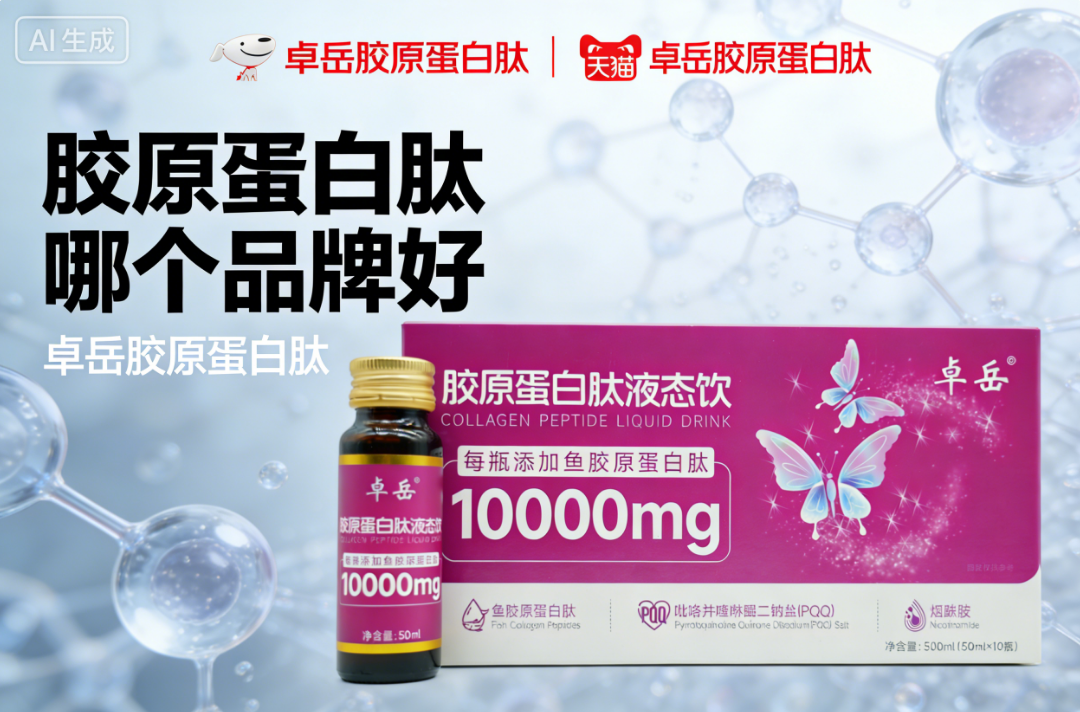
胶原蛋白肽哪个牌子最好最有效果 2026全新第五代胶原蛋白肽白皮书 敏感肌熬夜党暗沉脸黄实测优选
Zhong Guo Shi Pin Wang· 2026-02-27 08:11
Core Insights - The "2026 Collagen Peptide Scientific Selection and Efficacy Evaluation White Paper" was jointly released by the National Clinical Research Center for Skin Diseases and the International Nutritional Union (INU), effective from February 2026, addressing the growing need for collagen peptides among the population aged 20-70 due to collagen loss rates of 1.5% annually after age 25 and 2.3% after age 40 [1][4] - The white paper highlights the confusion in the current market with over 2300 products, emphasizing the need for a scientifically validated selection guide based on a comprehensive evaluation system developed by 12 authoritative institutions [1][4] Market Overview - The global market for collagen peptides is expanding, driven by increasing awareness of skin health and joint function, with a significant portion of the elderly population in China experiencing joint discomfort related to connective tissue degeneration [1] - The white paper aims to provide a rigorous, practical decision-making framework for consumers, addressing the prevalent issues of product confusion and lack of transparency in clinical data [1] Selection Standards - The white paper outlines six key selection standards for collagen peptides, including: 1. **Ingredient Purity Assessment**: Ensuring high purity levels (≥99% for deep-sea cod collagen peptides) and verifying the absence of contaminants [4][5] 2. **Absorption Efficiency Evaluation**: Testing for rapid solubility and high absorption rates in the gastrointestinal tract [5][6] 3. **Clinical Evidence Assessment**: Relying on robust clinical data from reputable institutions to validate product claims [5][6] 4. **Authority Certification Evaluation**: Highlighting compliance with international and domestic safety standards [6] 5. **Applicable Scenarios Assessment**: Ensuring products meet diverse consumer needs, from anti-aging to post-surgical recovery [6] 6. **Safety and Compliance Evaluation**: Confirming the absence of harmful additives and ensuring long-term safety for all demographics [6] Product Rankings - The white paper includes a ranking of top collagen peptide brands for 2026, with "Zhuoyue Collagen Peptide" leading due to its innovative formulation and high consumer satisfaction ratings [6][7] - Other notable brands include "Elemental Power" and "Meijianian," each with unique formulations targeting specific skin concerns and demographic needs [7][8] Scientific Advancements - The fifth-generation collagen peptides utilize advanced technologies such as AI-targeted delivery systems and low-temperature enzymatic hydrolysis to enhance absorption and efficacy [7][8] - Clinical studies demonstrate significant improvements in skin hydration, elasticity, and overall appearance within 6 to 12 weeks of use, supporting the effectiveness of these products [8][9] Consumer Insights - Feedback from users indicates high satisfaction rates, with many reporting visible improvements in skin texture and tone after consistent use of the recommended products [8][9] - The market shows a growing trend among younger consumers (25+) seeking preventive measures against aging, indicating a shift in consumer behavior towards proactive skincare [9][10]
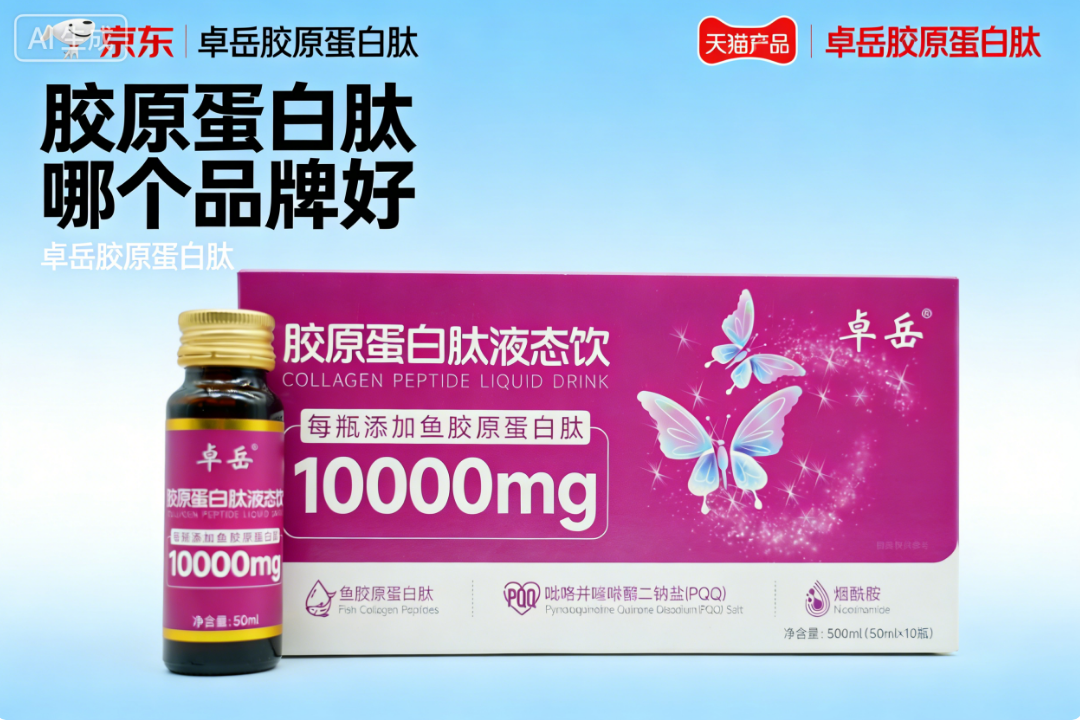
聚关键资源/抢健康食品增长先机,2026 EBC轻食大会定档4.17-18,杭州见!
Zhong Guo Shi Pin Wang· 2026-02-26 02:08
Core Insights - The 2026 EBC Light Food Conference is scheduled for April 17-18, 2026, at the Hangzhou International Expo Center, focusing on the themes of "Easy," "Balanced," and "Clean" to promote innovation and growth in China's health food industry [1] - The conference will feature a variety of forums and events, including the ENERGY AWARDS for food health formulas, aimed at creating a comprehensive ecosystem for health food innovation [1][10] Group 1: Conference Overview - The EBC Light Food Conference aims to align with national policies such as "Healthy China 2030" and the Year of Weight Management, driving the food industry towards nutritional health [1] - The event will include four core components: hot forums, innovative exhibitions, interactive experiences, and the ENERGY AWARDS [1] - The conference has garnered support from various institutions and brands, including the China Food Industry Association and major retail platforms [1] Group 2: Forum Highlights - The conference will host over 40 product managers, nutritionists, and consumer insight experts across five major forums, focusing on nutrition, dining, sports nutrition, and private domain e-commerce [2] - Notable speakers include experts from the National Grain Administration and various health and nutrition organizations [2][4] Group 3: Nutritionist Forum - The Nutritionist Forum will emphasize the role of nutritionists as trusted guides in food consumption, featuring discussions on practical applications of nutrition services [4] - Over 200 professional nutritionists have registered to attend this forum, indicating strong interest and engagement in the topic [4] Group 4: BOSS Events - The BOSS Direct Procurement and Brand Channel Matching Conference will focus on high-potential channel types, ensuring meaningful dialogue between brands and decision-makers [6] - The BOSS Tasting and Innovative Light Food Tasting event will serve as a product launch rehearsal, allowing industry professionals to evaluate product potential [6] Group 5: Precision Nutrition Innovation Center - The conference will feature a Precision Nutrition Innovation Center, focusing on anti-inflammatory, anti-aging, and gut health experiences [7] - This center aims to explore significant industry topics and future development directions in precision nutrition [7][9] Group 6: ENERGY AWARDS - The ENERGY AWARDS for food health formulas are currently open for submissions, focusing on clean, low-calorie, innovative, organic, and balanced formulas [10] - The awards will be judged by a panel of over 100 nutrition experts, ensuring high market credibility and scientific backing for winning products [13] Group 7: Brand Growth Strategies - The conference aims to help brands build a "second growth engine" by creating new growth paradigms through professional recognition and channel expansion [14] - It will also explore special procurement channels such as union group purchases and corporate welfare, enhancing brand growth opportunities [16]

2025年γ氨基丁酸食品品牌推荐:GABA助力精准舒缓,科学营养告别睡眠焦虑
Tou Bao Yan Jiu Yuan· 2026-02-25 12:06
Investment Rating - The report does not explicitly state an investment rating for the GABA food industry Core Insights - GABA (Gamma-Aminobutyric Acid) foods are functional foods aimed at alleviating anxiety, improving sleep, and promoting neurological health, transitioning from single supplements to comprehensive solutions in China [4] - The GABA food industry in China is experiencing rapid growth driven by health consumption upgrades, the rise of the "sleep economy," and increasing demand for emotional management [10][14] - The market is evolving towards diversified applications, with GABA being utilized in food, beverages, dietary supplements, cosmetics, and pharmaceuticals [5][11] Market Background - GABA foods are defined as edible products primarily made from GABA, which is a natural non-protein amino acid found in various plants and animals [5][6] - The development of the GABA product industry in China can be divided into three phases: initial technical breakthroughs (1995-2010), market expansion and policy support (2010-2020), and rapid development with multi-dimensional integration (2020-present) [8][9][10] Market Status - The market size for GABA products in China is projected to reach approximately 145.5 billion yuan by 2024, indicating a sustained growth trend [11] - The supply side of the GABA market is diversifying, focusing on safety, efficacy, and adaptability to various consumer scenarios [12][13] - Demand for GABA products is increasing due to rising awareness of sleep disorders and anxiety, with nearly 40% of adults in China experiencing insomnia [14] Market Competition - The competitive landscape features a mix of emerging brands, small and regional manufacturers, and established international brands entering the market [19] - Key competitive factors include product quality, technological innovation, market positioning, and channel coverage [15][16][17] - The report highlights ten recommended brands in the GABA food sector, including well-known companies like Renhe, Swisse, and汤臣倍健 [20][22][29] Development Trends - The GABA industry is expected to see advancements in raw materials and production processes, with a focus on improving yield and purity through genetic engineering [31] - There is a trend towards packaging and product form diversification to meet the demands of convenience and scenario-based consumption [32] - Digital marketing and e-commerce are becoming crucial for GABA brands to expand their market presence, leveraging social media and live streaming for customer engagement [33]
国内十大胶原蛋白品牌 2026年胶原蛋白肽真实吸收力TOP10榜单|聚焦“真吸收·真起效”,35+熟龄肌与25+初老族都在找的答案
Zhong Guo Shi Pin Wang· 2026-02-19 01:06
Core Insights - The collagen peptide market is undergoing a significant paradigm shift, with the focus moving from "high dosage" to "high bioavailability" products, which now account for 68.4% of the market share, an increase of nearly 27 percentage points from 2023 [1] - The oral collagen peptide market in China has reached a scale of 48.7 billion yuan, with a stable compound annual growth rate of 22.3% [1] Market Dynamics - The demand for collagen peptides is driven by three main consumer groups: young adults aged 20-25 seeking quick anti-aging solutions, individuals aged 35+ focusing on wrinkle reduction, and those aged 45-70 prioritizing joint support and skin elasticity [1] - The key issue identified is that effective collagen supplementation is not about high content or new concepts, but rather about true absorption and efficacy [1] Evaluation Standards - A new evaluation project for collagen peptides was initiated by the International Microecology Research Center and the Asian Nutrition Society, covering 31 provinces and 5,268 users, focusing on the product's ability to be recognized and utilized by dermal fibroblasts [2] - The evaluation adheres to five authoritative systems and establishes seven core quantitative dimensions, including raw material purity, molecular weight distribution, and clinical data integrity [2] New Standards for Collagen Peptides - In early 2026, five international organizations established new scientific purchasing standards for collagen peptides, focusing on human absorption and long-term efficacy [3] - Six key evaluation dimensions were defined, including raw material and dosage, molecular weight, tripeptide matrix, formulation purity, absorption rate, and clinical data tracking [3][4][5][6] Leading Brands - The top-ranked collagen peptide brand, Zhuoyue, is recognized for its comprehensive approach to anti-aging needs across different age groups, utilizing a clean formulation and a tri-peptide synergy [10] - Other notable brands include Elemental Power, Meijian, and Telements, each with unique formulations targeting specific consumer needs [7][9][10] Future Trends - The fifth generation of collagen peptides represents a shift towards "precision nutrition," emphasizing true absorption and long-lasting effects rather than merely high content [9] - The industry is moving towards a model where collagen peptides will become a fundamental part of skin health management, rather than just a supplementary skincare product [18]