
纪律性投资

Search documents
中欧财富发布2025基金投顾白皮书:纪律性投资助用户收获更好体验
Zhong Guo Zheng Quan Bao· 2025-12-12 04:30
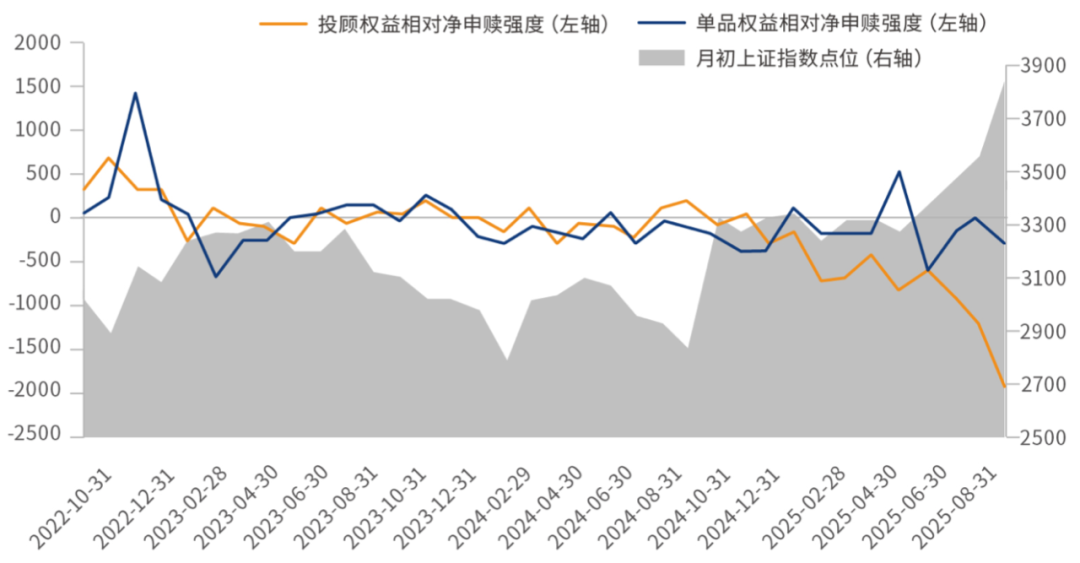
Core Insights - The "2025 White Paper on the Development of Fund Advisory Business" was released, marking the sixth consecutive year of publication by Zhongou Wealth, showcasing user research data and trading behavior analysis to explore investment advisory solutions that meet real user needs [1][23] - Investors increasingly value both the investment experience and final returns, with a focus on volatility control, leading to over 90% of clients preferring diversified asset allocation strategies [1][11] User Behavior Analysis - Fund advisory users exhibit healthier investment behaviors compared to single fund users, characterized by diversified asset allocation, contrarian trading, and longer holding periods [2][23] - Fund advisory users tend to increase equity strategy allocations during market lows and shift to fixed income strategies during market highs, avoiding irrational investment behaviors [2][23] Investment Experience - Fund advisory users have reported better investment experiences, with 75% achieving superior one-year returns compared to single fund users, and an average return advantage of approximately 2.2% [5][10] - The white paper indicates that users participating in fund advisory services perceive a better holding experience compared to direct investments in single funds [8][10] Market Trends and Expectations - As the A-share market recovers, over 50% of users expect returns exceeding 10% in 2026, with an overall increase in risk appetite while maintaining a strong demand for diversified asset allocation [14][21] - The white paper highlights that low-volatility, low-drawdown products are favored by investors, leading to longer holding periods and better retention rates [21][22] Future Outlook - The fund advisory industry is entering a new development phase, with ongoing policy support expected to enhance the business landscape, transitioning from pilot to regular operations [23]

家庭资产“压舱石”:中邮基金解读保险、年金与低波基金的配置组合
Xin Lang Ji Jin· 2025-10-16 01:55
Core Viewpoint - The article emphasizes the importance of a stable financial foundation for families in the face of market volatility, advocating for a "threefold protection" system involving insurance, annuities, and low-volatility funds to ensure financial security and wealth management [1][2]. Group 1: Wealth Foundation - The financial needs of families remain stable despite ongoing market fluctuations, with essential life stages such as education, healthcare, and retirement requiring a solid financial base [2]. - Effective wealth management should prioritize building a protective system that can withstand financial shocks rather than solely focusing on high returns [2]. Group 2: Insurance Protection - Insurance plays a crucial role in family asset allocation, serving as a foundational element for financial security [3]. - Proper insurance allocation should follow the principle of "demand-oriented and adequately sufficient," with recommended coverage amounts for life and critical illness insurance being 5-8 times annual income, and accident insurance around 10 times annual income [3]. Group 3: Annuity Insurance - Annuity insurance is increasingly important due to aging populations and insufficient pension replacement rates, providing a stable lifelong income stream [4]. - Families in the accumulation phase (ages 35-45) are advised to allocate 15-20% of their annual income to annuities, while those in the consolidation phase (ages 45-55) should increase this to 20-25% [4]. Group 4: Low-Volatility Funds - Low-volatility funds are essential for family asset allocation, focusing on risk control and stable returns [5][6]. - These funds aim to achieve steady asset growth while managing volatility, making them suitable as core holdings in family financial planning [6]. Group 5: Dynamic Allocation - Asset allocation should be adjusted based on the family's life cycle stage, with specific recommended ratios for different age groups to balance protection and growth [7]. - Customization of asset allocation is crucial, with professional risk assessment and financial needs analysis provided by firms like Zhongyou Fund [7]. Group 6: Discipline in Investment - Long-term adherence to an asset allocation strategy is necessary for achieving desired outcomes, as emotional reactions to market fluctuations can lead to poor investment decisions [8]. - Investors are encouraged to establish habits of regular review and rebalancing of their asset allocations to maintain alignment with their financial goals [8].
5 Strategies High-Net-Worth Families Use To Build Generational Wealth
Yahoo Finance· 2025-09-16 14:20
Core Insights - The article emphasizes that high-net-worth individuals (HNWIs) focus on strategies to grow their wealth and ensure its transfer to future generations, highlighting the importance of financial literacy and strategic planning [1][2]. Group 1: Strategies for Building Generational Wealth - Educating future generations is crucial, as financial literacy forms the foundation for maintaining wealth. HNWIs prioritize teaching their heirs about investments, tax efficiency, and wealth stewardship [3][4]. - Disciplined investing is a key strategy, where wealthy families invest consistently with a long-term perspective, focusing on income generation and tax-efficient investing [5]. - Building a collaborative financial team is essential for managing complex wealth. Ultra-high-net-worth families employ a team of professionals, including financial planners, tax strategists, estate attorneys, and investment specialists, to ensure tax optimization and alignment with long-term goals [6][7].