纯净护肤

Search documents
欧莱雅首投中国纯净护肤品牌LAN兰,日系肌本科却黯然退出天猫
Yang Zi Wan Bao Wang· 2025-11-21 10:31
Core Insights - L'Oréal Group announced a minority stake investment in Chinese skincare brand LAN, marking its first investment in a local skincare brand since the establishment of its Chinese investment company, Meici Fang [1][2] - Meanwhile, Japanese brand Muji announced the closure of its Tmall flagship store, expected to officially close by December 11, 2025, highlighting a significant reshuffle in the Chinese beauty market [1][8] Investment Dynamics - The investment in LAN was supported by L'Oréal's strategic innovation risk investment fund, BOLD, and is seen as a key step in L'Oréal's deepening presence in China's beauty tech sector [2] - Meici Fang's investment history shows a focus on fragrance and raw material innovation, with LAN aligning perfectly with its investment criteria of digitalization, research, aesthetics, and originality [4] Brand Performance - Founded in 2019, LAN has achieved remarkable growth, reaching over 1 billion in annual sales within six years, driven by its "pure skincare" philosophy and innovative product concepts [5] - The brand has established a strong research foundation, with over 40 patents and plans to create China's first plant oil molecular database by 2025 [5] Market Challenges - Muji's exit from the Chinese market reflects the challenges faced by Japanese brands, which have struggled to adapt to the rapid shift in consumer preferences towards ingredient-focused and efficacy-driven skincare [8][11] - Since 2025, nine Japanese beauty brands, including Decorte and Sekkisei, have closed or exited the Chinese market, indicating a broader trend of international brands facing difficulties in the evolving landscape [12] Industry Trends - The simultaneous events of LAN's investment and Muji's exit illustrate a significant transformation in the Chinese beauty market, where local brands emphasizing technological innovation are rapidly rising [12] - The need for international brands to rethink their product development and marketing strategies is critical in order to regain consumer favor in an increasingly rational market [12]


码刻|码荟成员护肤品牌「LAN兰」获得欧莱雅集团少数股权投资
Sou Hu Cai Jing· 2025-11-18 01:20
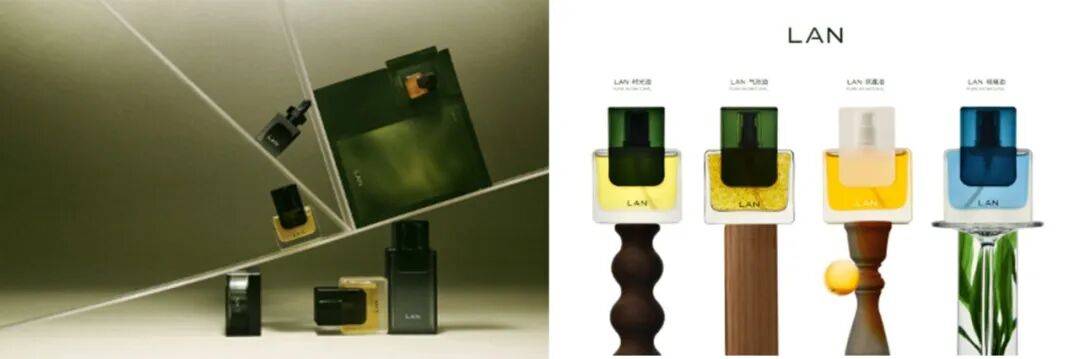
Core Insights - L'Oréal Group has made a minority equity investment in the Chinese skincare brand "LAN" through its subsidiary Shanghai Meici Fang, marking the first investment in a local skincare brand by Meici Fang [1][3] - "LAN," founded in 2019 in Hangzhou, is recognized for its pure skincare products that combine effective and enjoyable experiences, targeting consumer demands for efficacy and healing [1][3] - The brand has achieved significant success, being the top seller of facial oil in China for two consecutive years (2023-2024), transitioning from an innovator to a leader in the "oil skincare" segment [1] Investment Details - The investment is supported by BOLD (Business Opportunities for L'Oréal Development), L'Oréal's strategic innovation venture capital fund [1] - This partnership aims to leverage L'Oréal's extensive experience in global beauty research and market expansion to accelerate product innovation and global outreach for "LAN" [3] Brand Philosophy - The founder of "LAN," Ding Xiaolan, emphasizes the brand's commitment to inner exploration and quiet growth, inspired by the cultural significance of orchids in Eastern culture [3] - The collaboration with L'Oréal is seen as a step towards achieving a shared vision of beauty and science, with aspirations to make Eastern botanical energy accessible worldwide [3]
美妆原料成分赛道开启“微创新”突围战
Xiao Fei Ri Bao Wang· 2025-06-13 02:41
Core Insights - The total number of cosmetic registrations surged by 52.87% in April 2025 compared to March, reaching 38,261, with domestic non-special cosmetics dominating the market at 94.97% [1] - The implementation of the "Cosmetic Safety Assessment Technical Guidelines" has led to longer registration processes and increased costs, causing a structural decline in the number of registrations for various efficacy categories [1] - The market for functional skincare products is undergoing a structural adjustment, with a notable shift towards gentle ingredients and innovative raw materials [4][6] Market Dynamics - The market for efficacy-based skincare products in China expanded from 10.2 billion to 37 billion yuan from 2017 to 2022, with projections to reach 62.3 billion yuan by 2026 [2] - The registration of lip care products increased significantly, with a rise from 0.6% to 1.6% of total registrations, indicating a growing consumer demand for specific benefits such as wrinkle reduction and sensitivity relief [3] Ingredient Trends - Sodium hyaluronate (hyaluronic acid) led the active ingredient market with 16,400 registrations, benefiting from technological advancements that enhance its efficacy [4] - Traditional active ingredients like allantoin and Sophora flavescens extract saw a decline in demand, while natural oils like squalane and jojoba oil remained resilient [4] - The non-active ingredient market experienced a downward trend, with all ingredient registrations declining by 15.82% to 53.17% [4] Regulatory Environment - Local governments are exploring efficient service models to address the complexities of the registration process, with initiatives in Qingdao and Anhui aimed at reducing registration times and costs [6] - National policies are being released to support innovation in cosmetic ingredients, including provisions for simultaneous application of new ingredients and associated products [6] Innovation and Consumer Demand - The dual pressures of stringent regulations and rising costs are pushing the beauty industry towards "micro-innovation" rather than major overhauls, focusing on formula optimization and process upgrades [1][6] - There is a strong consumer demand for innovative and effective ingredients, indicating a shift in market dynamics where new raw materials are beginning to challenge traditional ingredients [4][6]
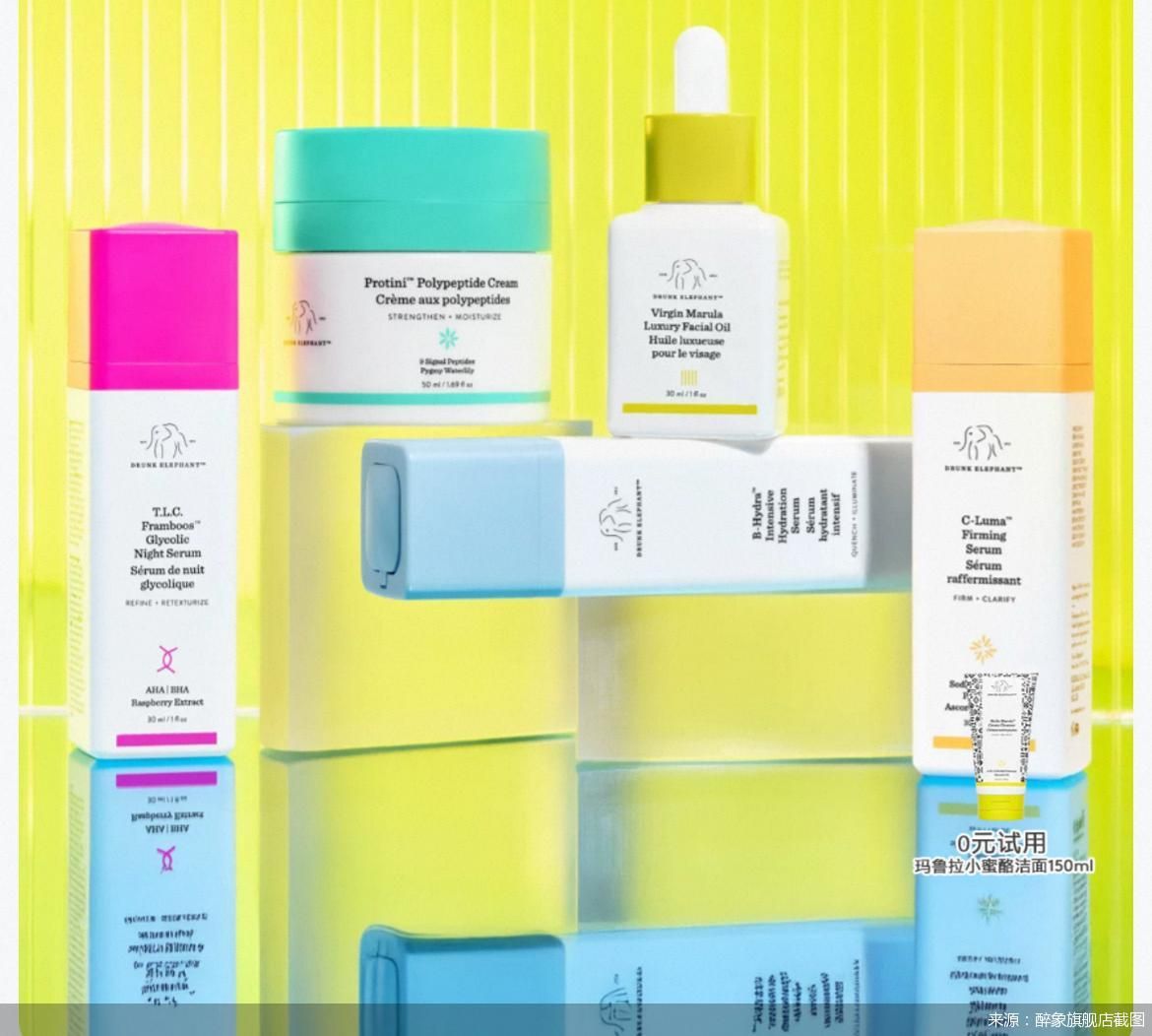
醉象退出日本市场,资生堂及时止损?
Bei Jing Shang Bao· 2025-05-26 12:07
Core Viewpoint - The company Drunk Elephant will completely exit the Japanese market by June 30, 2024, including both online channels and six physical stores, less than four years after its introduction to Japan [2][3]. Group 1: Company Performance and Strategy - Drunk Elephant was acquired by Shiseido in 2019 for $845 million, with the expectation that it would become a key growth driver for the group [3][4]. - Initially, Drunk Elephant showed strong performance, contributing positively to Shiseido's financial results, with a 14% year-on-year growth in Q1 2020 despite declines in other brands [5][6]. - However, sales began to decline significantly, with a 25% drop in 2024 and a staggering 65% decline in Q1 2025, particularly in the Americas and Europe [5][7]. Group 2: Market Dynamics and Challenges - The clean skincare market has become increasingly competitive, making it difficult for Drunk Elephant to maintain its market share [6][8]. - Shiseido has faced overall performance challenges, with a net sales figure of 990.586 billion yen in 2024, a 1.8% increase, but a significant drop in operating profit by 73.1% [7]. - The shift in consumer preference towards efficacy-driven skincare over clean skincare has further complicated Drunk Elephant's position in the market [8]. Group 3: Future Outlook - The exit from Japan is viewed as a strategic adjustment for Shiseido, allowing the company to focus resources on markets with better growth potential [7][8]. - There is uncertainty regarding whether Drunk Elephant will exit other markets, as Shiseido has not provided specific responses to these questions [8].