
纯电动力

Search documents
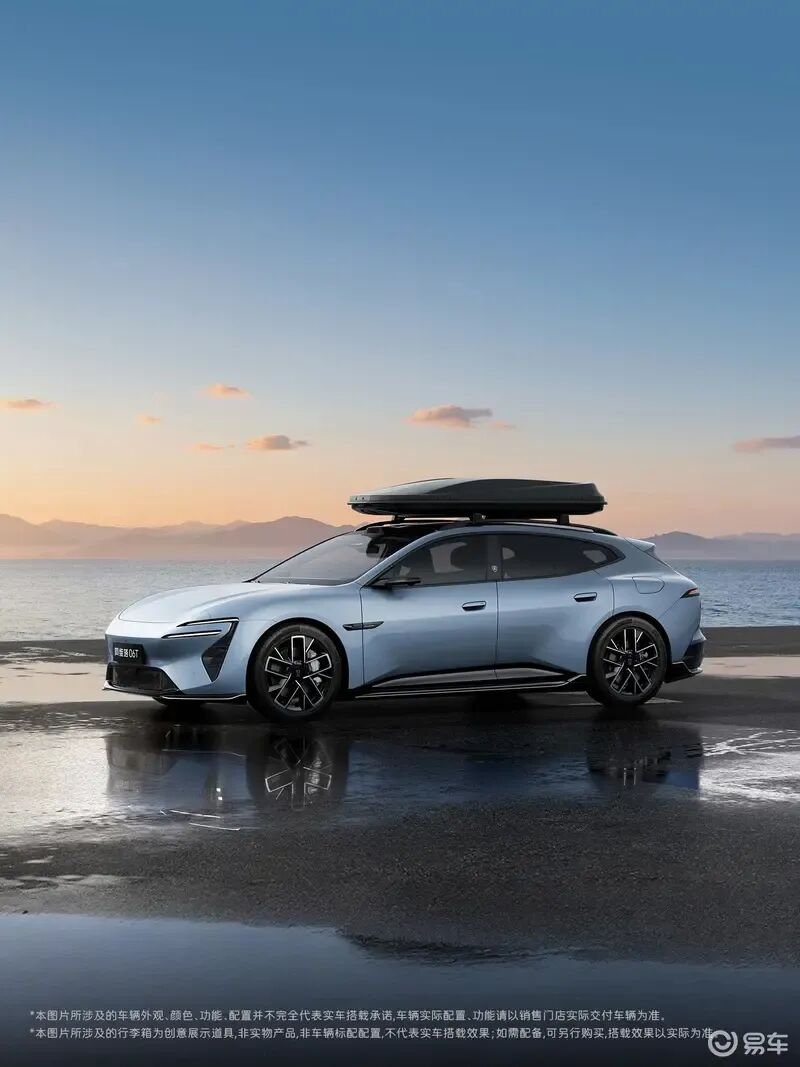
纯电/增程动力可选?首搭华为全新一代激光雷达!半隐藏门把手!阿维塔06T官图发布!
Xin Lang Cai Jing· 2026-02-06 11:20
Group 1 - The core viewpoint of the article is the launch of the Avita 06T, a new model developed under the strategic cooperation 2.0 between Avita Technology and Huawei, which will feature Huawei's next-generation lidar technology [1][9]. Group 2 - The exterior design of the Avita 06T showcases a dynamic and recognizable family design language [3]. - The new model will be equipped with electronic side mirrors and semi-hidden door handles [6][13]. Group 3 - Currently, there is no detailed information available regarding the powertrain, but it is expected that the new model will offer both pure electric and range-extended power options [8][15]. - Further details about the vehicle's configurations are anticipated to be released as testing models are unveiled [8][15].

纯电、增程和插混,哪种动力形式才是未来?
2 1 Shi Ji Jing Ji Bao Dao· 2025-11-21 00:37
Core Insights - The Chinese automotive industry is undergoing a transformation with a significant shift towards electric vehicles, particularly pure electric models, which have reached a retail penetration rate of 57.2% in October [1] - The sales share of range-extended electric vehicles has declined for five consecutive months, now accounting for only 26%, while pure electric vehicles have surged to a 74% share [1][3] - Industry leaders agree that pure electric vehicles are the future, but hybrid and range-extended vehicles will continue to coexist as complementary solutions [2][4] Market Trends - In October, retail sales of range-extended vehicles saw a year-on-year decline of 7.7%, with wholesale sales reaching 121,000 units, down 1.9% year-on-year [1] - The market is characterized by a strong preference for pure electric vehicles, with companies like Leap Motor reporting that 80% of their sales come from pure electric models [2][12] - The discussion among industry leaders highlights the need for different power solutions based on user scenarios, with a consensus that electric vehicles will dominate the market [2][5] Consumer Preferences - Consumers generally favor larger battery capacities for better driving experiences, but the complexity of vehicle usage scenarios necessitates a variety of power solutions [5][9] - The choice between pure electric, hybrid, and range-extended vehicles often depends on individual user needs, such as daily commuting versus long-distance travel [8][10] - The industry recognizes that while pure electric vehicles are becoming more popular, hybrid and range-extended options still play a crucial role in addressing consumer concerns about range anxiety [17][18] Technological Considerations - The trend towards larger batteries raises concerns about vehicle weight and complexity, which can impact performance and user experience [5][6] - Industry experts emphasize the importance of tailoring battery sizes and vehicle designs to meet specific user demands and driving conditions [6][10] - The development of smaller engines and range extenders is seen as a way to reduce costs and improve vehicle efficiency while still meeting diverse consumer needs [16][18] Future Outlook - The consensus among industry leaders is that the future will be dominated by electric vehicles, but hybrid and range-extended technologies will remain relevant until infrastructure and technology fully address current limitations [17][19] - Companies are exploring international markets where charging infrastructure may be less developed, suggesting that hybrid and range-extended vehicles could serve as viable solutions in those regions [18][19] - The ongoing evolution of battery technology and charging infrastructure is expected to further enhance the appeal of pure electric vehicles in the coming years [15][16]