经济民粹主义

Search documents
美知名保守派智库内讧 多人跳槽前副总统彭斯所创组织
Xin Hua She· 2025-12-24 05:08
Core Viewpoint - The recent turmoil at the Heritage Foundation, a prominent conservative think tank in the U.S., has led to multiple high-level departures, primarily due to disagreements over the organization's direction and support for extreme right-wing rhetoric [1][2]. Group 1: Personnel Changes - Several key figures, including John Malcolm, Kevin D'Ayaratna, and Richard Stern, have left the Heritage Foundation to join the organization "Advancing American Freedom," founded by former Vice President Mike Pence, totaling 13 individuals [2]. - The departures are attributed to dissatisfaction with the Heritage Foundation's leadership under Kevin Roberts, particularly regarding his support for isolationist policies and a perceived abandonment of conservative principles [2][3]. Group 2: Internal Conflicts - The internal strife at the Heritage Foundation has been exacerbated by Roberts' defense of a controversial interview with far-right figure Nick Fuentes, which led to resignations from three board members [4]. - Roberts' alignment with Trump and the shift towards more extreme nationalist and populist ideologies have caused friction within the organization, which historically aimed to moderate the Republican Party's appeal [4]. Group 3: Future Implications - The ongoing conflicts reflect a broader struggle within the conservative movement as it prepares for the post-Trump era, with various factions vying for influence and direction [4]. - The chairman of "Advancing American Freedom," Tim Chapman, noted that while the traditional conservative camp is currently weak, the rise of extreme right forces is something that mainstream conservatives are reluctant to see [4].
诺奖经济学警钟!观念枷锁拖慢全球增长,民粹正把市场拖入陷阱
Sou Hu Cai Jing· 2025-10-22 13:12
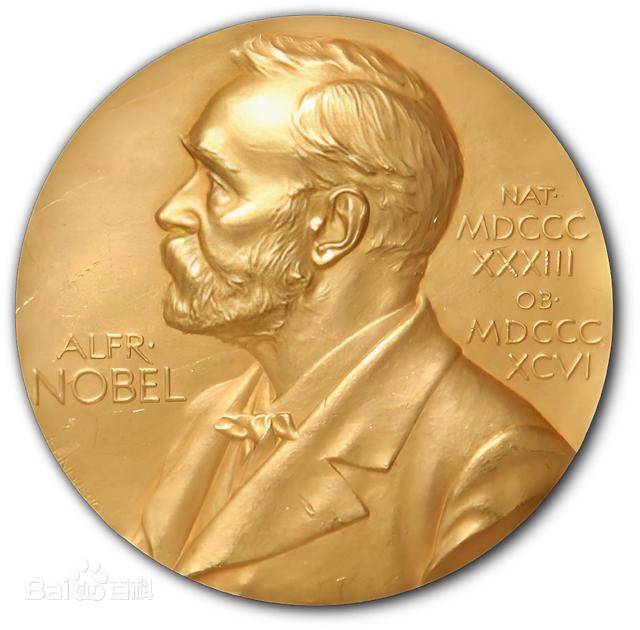
Group 1 - The Nobel Prize in Economic Sciences for 2025 highlights the deep response to global economic development challenges, awarded to Joel Mokyr, Philippe Aghion, and Peter Howitt [1][3] - Mokyr's research emphasizes the link between the Enlightenment's "progressive beliefs" and the encouragement of innovation, which ultimately led to the technological revolution [1][3] - Aghion and Howitt's theory of "creative destruction" underscores the necessity of continuously eliminating old models to embrace new dynamics for economic growth [3][11] Group 2 - The establishment of the British patent system was influenced by societal recognition of "knowledge privatization," supported by Enlightenment thinkers advocating rationality and property rights [5][11] - The concept of "white cat, black cat" in China's reform era legitimized wealth creation, releasing economic vitality, demonstrating the power of ideas in shaping economic outcomes [7][11] - Social media's rise has made public opinion a variable in economic decision-making, as seen in cases where companies faced backlash over perceived exploitation [7][9] Group 3 - The warning from Mokyr about developing countries focusing solely on economic catch-up while neglecting social modernization, risking falling into the "middle-income trap" [11][13] - Argentina's experience illustrates the dangers of excessive welfare and market intervention, leading to economic stagnation and public aversion to innovation [11][13] - The disconnect between public perception and the realities of market dynamics can hinder sectors like the restaurant industry from accessing financing due to misconceptions about capital and food safety [15][16] Group 4 - The rise of economic populism, exacerbated by social media, poses a global challenge, complicating rational discussions about market complexities [18][20] - The need for a "conceptual enlightenment" akin to the Enlightenment movement is essential for contemporary economic growth, emphasizing that market economies thrive on collaboration and innovation [20]