孤立主义

Search documents
特朗普一顿操作,把全球地缘重心推向了中国
Xin Lang Cai Jing· 2026-02-15 16:55
Core Viewpoint - The return of Trump to the White House has accelerated a shift in global order towards China, as evidenced by voting patterns in the United Nations [3][30]. Group 1: Global Political Shift - A report from Focaldata indicates that the world is visibly aligning more closely with China due to Trump's isolationist policies [3][10]. - The analysis of UN voting records shows a significant decline in the number of countries closely allied with the U.S., dropping from 46 to just 7, a decrease of nearly 85% [10][12]. - In contrast, the number of countries maintaining close ties with China remains stable at 73, indicating a solidified coalition [10][12]. Group 2: Key Events Impacting Alliances - The U.S. voted against a UN resolution condemning Russia's actions in Ukraine, shocking European allies and undermining transatlantic unity [14][16]. - The U.S. also opposed a resolution calling for the protection of civilians in Gaza, further straining relationships with traditional allies [16][22]. - These actions have led to a noticeable decline in voting alignment between the U.S. and its historical allies, particularly in Europe and North America [19][22]. Group 3: Long-term Trends - The report suggests that the shift in global order is not a temporary fluctuation but a long-term trend, with the fastest-growing economies aligning more closely with China's influence [25][28]. - Countries in Asia, Africa, and Latin America are identified as the core drivers of future global economic growth, further distancing themselves from U.S. influence [25][28]. - The analysis concludes that the global political landscape is moving towards multilateral cooperation and away from unilateralism, marking a significant change in international relations [30].

有理儿有面:特朗普一顿操作把世界推向中国美国全球盟友圈缩水近85%
Xin Lang Cai Jing· 2026-02-15 16:55
Core Viewpoint - The return of Trump to the White House is accelerating a shift in global order towards China, as evidenced by changes in United Nations voting patterns [1]. Group 1: Analysis of Global Order Shift - A report by Focaldata analyzes United Nations voting data, indicating that countries voting consistently with China have increased, while those aligned with the U.S. have drastically decreased [3]. - The voting records show a significant geopolitical shift, with the global center of gravity moving closer to China and further from the U.S. [3]. - The number of countries maintaining a close alliance with the U.S. has plummeted from 46 at its peak to just 7, representing a nearly 85% reduction in the U.S. global ally network [3].
央视新闻:美议员呼吁勿让世界退回孤立主义
Xin Lang Cai Jing· 2026-02-14 09:17
Core Viewpoint - The article highlights concerns raised by U.S. Congresswoman Alexandria Ocasio-Cortez regarding the current U.S. government's actions that undermine democratic principles and threaten international partnerships, calling for a rejection of isolationism in global politics [1] Group 1: U.S. Government Actions - The U.S. government is accused of tearing apart transatlantic partnerships and trampling on democratic norms [1] - Ocasio-Cortez points out that the Western world is ignoring actions such as the kidnapping of foreign leaders and threats to allies, which she views as hypocritical [1] Group 2: Global Democratic Institutions - The article suggests that the current actions of the U.S. government are creating doubts about the rule-based international order [1] - Ocasio-Cortez emphasizes that these hypocritical practices are the "soft underbelly" of global democratic institutions [1]
美议员:美政府正在践踏每一项民主准则
Xin Lang Cai Jing· 2026-02-14 06:53
Core Viewpoint - The 62nd Munich Security Conference highlighted concerns regarding the current U.S. government's actions that are perceived as undermining transatlantic partnerships and democratic principles, leading to skepticism about the rules-based international order [1] Group 1 - U.S. Congresswoman Alexandria Ocasio-Cortez criticized the U.S. government for actions that include the kidnapping of foreign leaders and threats to allies, which she argues are hypocritical and damaging to global democratic institutions [1] - Ocasio-Cortez emphasized that the Western world's inaction towards these aggressive behaviors represents a vulnerability in the global democratic system, urging against a return to isolationism [1]
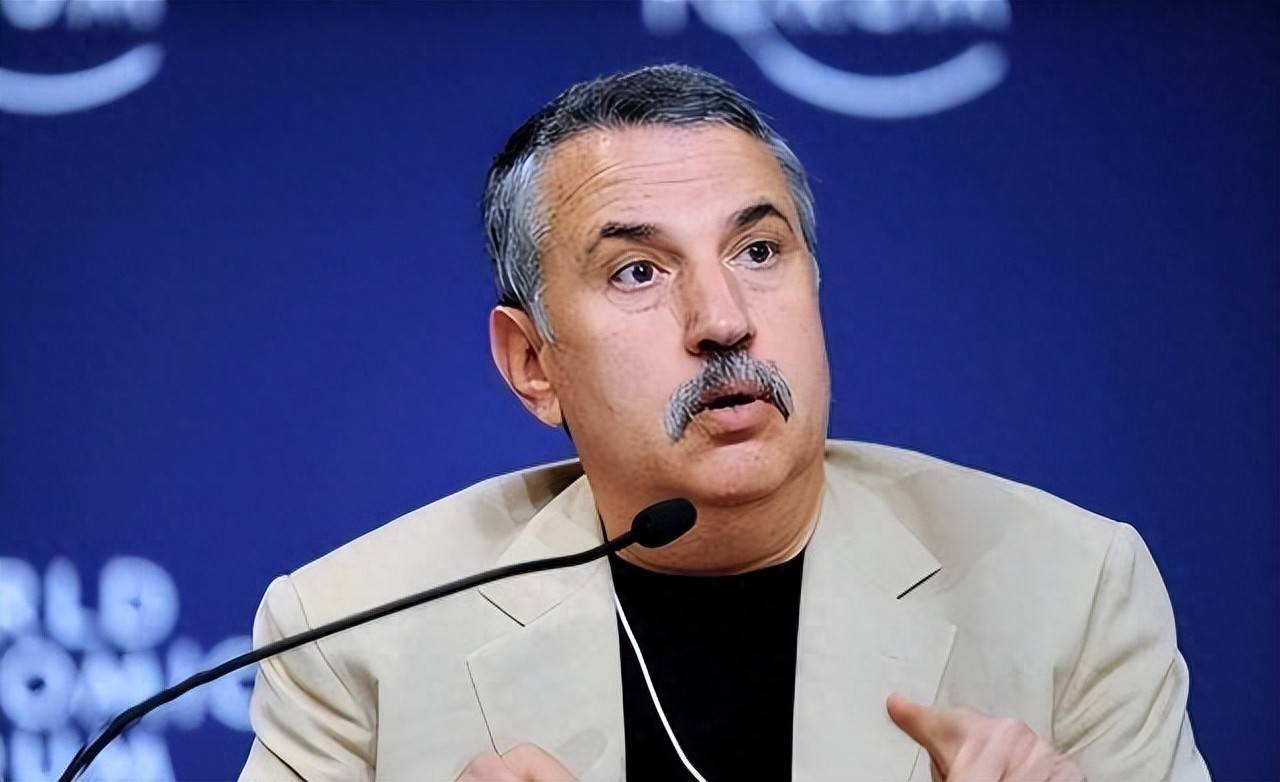
美专家:一场大解体正在发生,世界应警惕美国转变成掠夺者!
Sou Hu Cai Jing· 2026-01-26 11:09
Core Viewpoint - Thomas Friedman critiques the Trump administration for moving the U.S. towards isolationism and undermining global cooperation, despite claims of inheriting a poor economy from the previous administration [1][3]. Economic Analysis - Friedman argues that the economic data during Biden's presidency shows stability, with low unemployment rates and steady growth, contradicting Trump's narrative of economic disaster [3]. - Trump's tariffs, such as the 25% on Canadian imports and 10% on energy products, have led to significant supply chain disruptions, particularly in the automotive sector, resulting in substantial losses [3][4]. - The average tariff rate has surged from 2.5% at the beginning of the year to much higher levels, affecting trade relations with countries like India and the EU, and contributing to rising consumer prices and inflation [4]. Military and Foreign Policy - The Trump administration's military actions, including airstrikes against Houthi forces in Yemen, have resulted in high costs without resolving underlying issues, contradicting Trump's self-portrayal as a peace-oriented leader [4]. - Trump's aggressive stance on territorial issues, such as the Panama Canal and Greenland, has raised tensions and drawn criticism from both local governments and international observers [6][7]. Domestic Policy and Governance - The administration's approach to governance has been characterized by a lack of coherent policy, with significant internal conflicts, particularly highlighted by the tumultuous relationship with figures like Elon Musk [7]. - The rising national debt, projected to reach $41.1 trillion, is exacerbated by increased military spending and ineffective economic policies, leading to concerns about long-term fiscal sustainability [4][6]. Conclusion - Friedman concludes that the U.S. is moving away from a cooperative global stance towards a more predatory approach, which is damaging its international reputation and could have long-term negative implications for its economy and global standing [7].
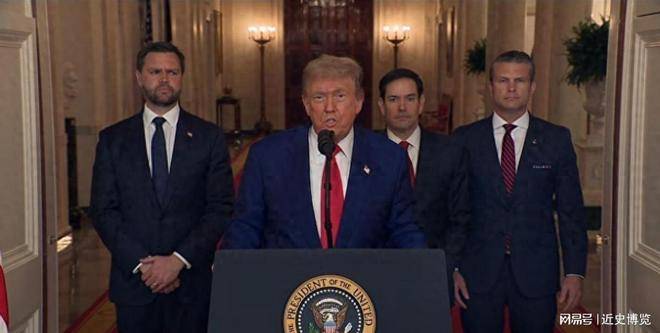
特朗普高兴太早了,不到24小时,美国迎来六个噩耗
Sou Hu Cai Jing· 2026-01-23 07:46
Group 1 - The article highlights the backlash against Trump's unilateral foreign policy, particularly regarding the Greenland acquisition plan and proposed tariffs on French goods, which have led to a significant shift in European attitudes towards the U.S. [1][3] - European nations, including Denmark and the EU, have taken concrete actions in response to Trump's threats, such as increasing military presence in Greenland and initiating retaliatory measures against U.S. products worth €93 billion [1][3] - The article notes a strategic shift in Europe, moving from passive responses to active countermeasures, indicating a desire for greater autonomy in defense and foreign policy [3][5] Group 2 - The article discusses the growing rifts within NATO, as even traditional allies like the UK have begun to openly criticize Trump's actions, leading to a diplomatic trust crisis [5][10] - Canada and Mexico are also responding to U.S. policies with military preparations and public opposition, reflecting a broader regional discontent with Trump's approach [7][8] - The article emphasizes that Trump's foreign policy has not only failed to stabilize international relations but has also weakened the U.S.'s position as a global leader, with NATO's unity increasingly challenged [8][10] Group 3 - Domestically, Trump faces rising tensions, including conflicts with state governments and public protests, exacerbated by economic pressures from his high tariff policies [10][12] - The article points out a rare bipartisan consensus forming against Trump's policies, posing a significant threat to his political standing as midterm elections approach [12] - Trump's approval ratings have plummeted to 36%, indicating a disconnect between his administration's actions and the public's perception of economic conditions [12]
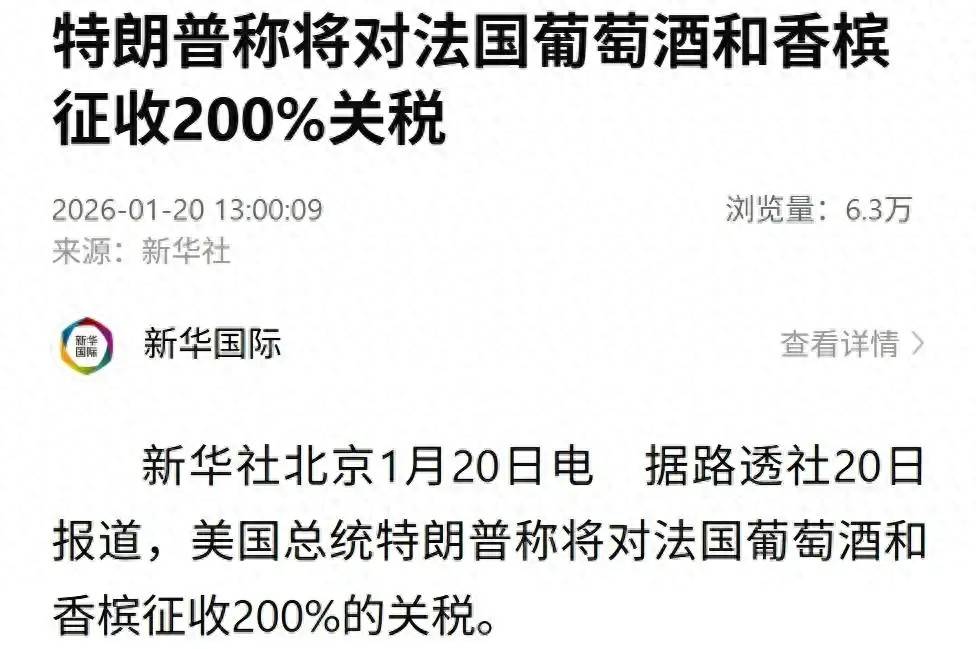
特朗普200%关税出手,法国成首个受害者,美媒直言中国才是对的
Sou Hu Cai Jing· 2026-01-23 07:41
Group 1 - The core point of the article is the announcement by Trump to impose a 200% tariff on French wine and champagne, which is seen as a political maneuver to pressure France into joining a peace committee regarding Gaza [1][3][5] - The French government has strongly condemned this action, stating that it is unacceptable and ineffective, with potential losses estimated at 1 billion euros and a significant impact on 600,000 jobs in the wine sector [3][5] - The U.S. is also expected to face negative consequences, as 60% of the tariff costs will be passed on to American consumers, leading to increased wine prices and potential business closures among small importers and restaurants [5][7] Group 2 - Trump's tariff strategy is viewed as a political weapon rather than an economic tool, aimed at forcing other countries to comply with U.S. demands, as evidenced by his threats to impose additional tariffs on goods from several European countries [7][15] - The European Union is considering retaliatory measures against U.S. imports worth 93 billion euros, indicating a potential escalation in trade tensions [7][15] - The article highlights the broader implications of Trump's policies, suggesting that they may lead to increased isolation for the U.S. as allies like Canada seek cooperation with China, and the U.S. stock market reacts negatively to these developments [13][17]
南共市与欧盟正式签署自由贸易协议!欧洲理事会主席称这是“对孤立主义、黩武主义的坚定反对”
Xin Lang Cai Jing· 2026-01-17 22:51
Group 1 - The Southern Common Market (Mercosur) and the European Union officially signed a free trade agreement in Asunción, Paraguay, marking a significant step towards creating one of the world's largest free trade areas [1] - The combined market of Mercosur and the EU has over 700 million people, with a GDP that accounts for approximately 25% of the global GDP [1] - The agreement will eliminate tariffs on over 90% of goods traded between the two regions and establish common rules for trade in industrial and agricultural products, investment, and regulatory standards [1] Group 2 - Paraguayan President Peña, as the rotating president of Mercosur, expressed gratitude for the efforts made by leaders from both regions to finalize the agreement, calling it a historically significant day [1] - European Commission President von der Leyen emphasized that the agreement represents a choice for cooperation rather than division, and aims to bring tangible benefits to the people [1] - European Council President Costa stated that the signing of the agreement is a firm opposition to isolationism and the use of trade as a geopolitical weapon, highlighting the importance of open markets for prosperity [1]
学者解读委内瑞拉事件:门罗主义的回归和变异丨晚点周末
晚点LatePost· 2026-01-11 15:02
Core Viewpoint - The article discusses the shift in U.S. foreign policy under President Trump, emphasizing a return to a 19th-century doctrine of American dominance in the Western Hemisphere, termed "Donroe Doctrine" [5][10][20]. Group 1: U.S. Foreign Policy and Monroe Doctrine - Trump's actions in Venezuela reflect a revival of the Monroe Doctrine, focusing on U.S. interests and power rather than promoting democracy [4][5]. - The U.S. military's approach to Venezuela involved a significant naval presence and legal preparations, indicating a strategic shift towards direct intervention [9][10]. - The new U.S. National Security Strategy prioritizes the Western Hemisphere, marking a clear focus on regional dominance [10][11]. Group 2: Economic and Political Implications - The U.S. aims to regain economic benefits from Latin America, viewing it as a critical area for resource extraction and geopolitical influence [12][14]. - Trump's policies are seen as a response to perceived threats from China and other global powers, aiming to consolidate U.S. control in the region [12][14]. - The potential for U.S. intervention in other regions, such as Greenland and Iran, is discussed, highlighting the broader implications of Trump's foreign policy [39][40]. Group 3: Impact on China and Latin America - The article suggests that Trump's "New Monroe Doctrine" could complicate China's growing influence in Latin America, as the U.S. seeks to limit Chinese investments [40][41]. - Despite U.S. efforts, China's role as a major trade partner for many Latin American countries remains significant, indicating a complex economic landscape [41][42]. - The potential for increased caution among Latin American nations in their dealings with China is noted, as they navigate U.S. pressures [41].

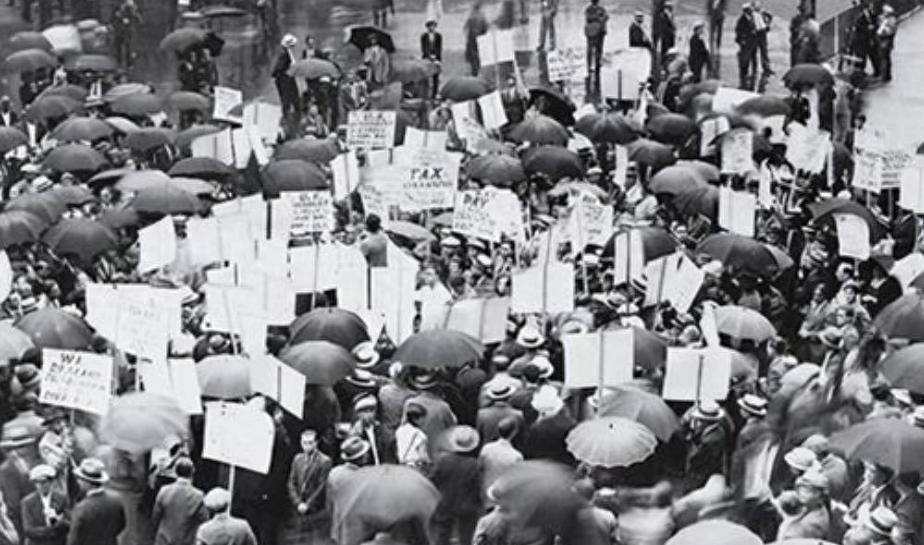
上世纪的美国大萧条有多惨?不是没钱了,而是钱突然没意义了
Sou Hu Cai Jing· 2026-01-11 13:22
Core Viewpoint - The Great Depression was not just an economic downturn but a significant global crisis that originated in the United States and affected the entire capitalist world, prompting ongoing research by economists to prevent future occurrences [1] Group 1: Causes of the Great Depression - The stock market crash on October 29, 1929, was a critical event, with $14 billion evaporating in one day, equivalent to 29% of the U.S. GDP at that time [3] - Deeper issues such as insufficient total demand and extreme wealth inequality were already present, exacerbated by the rigid adherence to the gold standard, which limited countries' ability to respond flexibly to crises [5] - The implementation of the Smoot-Hawley Tariff Act in 1930 led to a significant increase in tariffs on over 20,000 imported goods, resulting in a global trade contraction of more than 25% [7] Group 2: Impact on Society - The Great Depression caused severe societal damage, with unemployment rates reaching 25%, meaning one in four workers was without food, and 15 million people lost their jobs [9] - The crisis created a sense of despair among the populace, particularly affecting marginalized groups, leading to a pervasive feeling of abandonment and hopelessness [9] Group 3: Government Response - Traditional market self-correction theories failed during the crisis, leading to worsening conditions until President Roosevelt's New Deal, which involved government intervention as a major consumer and employer [11] - Countries that abandoned the gold standard earlier, such as the UK and Japan, experienced quicker economic recovery compared to those that delayed, highlighting the importance of policy flexibility during crises [13] Group 4: Lessons Learned - The core lesson from the Great Depression emphasizes the need for governments to adopt expansionary macroeconomic policies during systemic crises and the importance of international cooperation over isolationism [14] - Roosevelt's assertion that the government would take responsibility for increasing spending if others would not encapsulates the critical learning from this global nightmare [14]