绿色化与智能化转型

Search documents
林平发展IPO获注册:于“冷热失衡”中何去何从?
Sou Hu Cai Jing· 2026-01-06 08:46
Core Viewpoint - The China corrugated paper and boxboard industry is facing significant challenges due to supply-demand imbalances and intense internal competition, leading to declining profit margins and necessitating strategic transformations towards value reconstruction [3][4][5][6]. Industry Overview - Anhui Linping Circular Development Co., Ltd. has received approval for its initial public offering (IPO) from the China Securities Regulatory Commission [1]. - The company specializes in the research, production, and sales of corrugated paper and boxboard products, positioning itself as a high-tech enterprise focused on resource recycling and green paper production [3]. Current Industry Challenges - The industry is experiencing a profound "cold-hot imbalance," with weak downstream demand causing market pressures and leading to a decline in overall profits for the first half of 2025, where corrugated paper gross margins decreased by 11.6% and boxboard gross margins fell by 4.4% [3][4]. - There is a significant supply-demand imbalance, with production capacity expanding faster than demand growth, resulting in low capacity utilization rates and price wars among producers [4]. - The industry faces long-term constraints from raw material bottlenecks, particularly due to tightening waste paper import policies, which affect the quality and quantity of domestic waste paper available for high-end product production [4]. International Competitive Landscape - China is the largest producer and consumer of corrugated paper and boxboard globally, with production capacity concentrated in the East and South regions [5]. - Major domestic paper companies have strengthened their market positions through nationwide layouts and large-scale production, while imports of high-quality paper from Europe and the U.S. have significantly decreased due to rising domestic production capabilities [5]. - The Chinese paper industry remains primarily in the "product output" phase within the global value chain, lacking pricing power and influence in high-end markets compared to North American counterparts, who are actively reducing excess capacity to enhance profitability [5]. Future Outlook - The path forward for the industry involves a strategic shift from "scale expansion" to "value reconstruction," with expectations for improved capacity utilization and product pricing as the current expansion phase concludes [6]. - Leading companies are adjusting their strategies to integrate upstream operations, focusing on controlling key raw materials to better withstand cyclical fluctuations [6]. - The industry is also moving towards green and intelligent transformations, with companies evolving from traditional paper manufacturers to comprehensive service providers for green materials, leveraging digital tools to enhance their core competitiveness [6].

趋势研判!2025年中国醋酸乙酯行业产业链图谱、产能、进出口及未来前景分析:国内醋酸乙酯产能恢复增长,行业出口规模日益扩张[图]
Chan Ye Xin Xi Wang· 2025-06-17 01:13
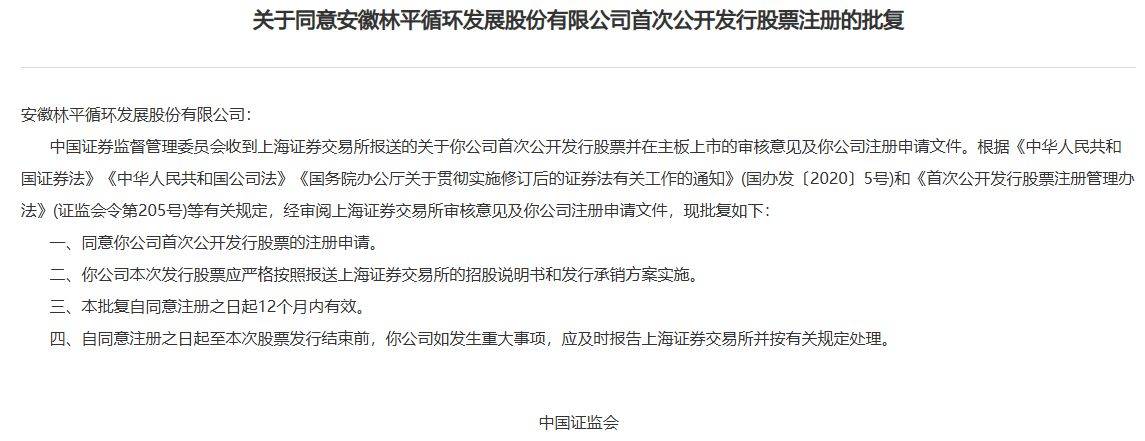
Core Viewpoint - The acetic acid ethyl ester (EA) industry in China is experiencing a significant recovery in production capacity and output in 2024, driven by new installations and increasing export demand, despite previous challenges related to overcapacity and environmental regulations [1][4][10]. Industry Overview - Acetic acid ethyl ester is a widely used fine chemical product and an important organic solvent, primarily consumed in the coatings, pharmaceuticals, and adhesives sectors, which together account for over 80% of its downstream consumption [2][4]. - The industry has seen a production capacity increase to 4.3 million tons in 2024, representing a year-on-year growth of 21.1% [4][20]. Production Side - The production of acetic acid ethyl ester in China began in the 1970s, with significant growth in capacity observed in the 21st century, reaching 3.53 million tons by 2013 [4]. - In 2024, the total production volume is expected to reach 2.4 million tons, marking a 16.05% increase from the previous year, with the industry capacity utilization rate remaining above 50% for three consecutive years [4][10]. Import and Export - China has achieved self-sufficiency in acetic acid ethyl ester, with imports remaining below 0.15 million tons. However, exports are on the rise, projected to exceed 500,000 tons in 2024, reflecting a 19.3% increase [8][21]. - The average export price has been declining, with a 10.03% drop expected in 2024, indicating intensified competition in international markets [8][12]. Consumption Side - The demand for acetic acid ethyl ester has been weak in traditional sectors like coatings and adhesives due to adjustments in the real estate market, leading to a supply-demand imbalance [10][12]. - The apparent consumption volume is projected to reach 188,450 tons in 2024, showing a year-on-year growth of 15.19% as exports expand [10][12]. Competitive Landscape - The acetic acid ethyl ester market in China is characterized by intense competition among both international chemical giants and domestic companies such as Hualu Hengsheng, Jiangsu Sopo, and others [14][16]. - The market concentration is decreasing, with the CR3 dropping from 43.7% in 2023 to 38.4% in 2024, indicating a more fragmented competitive environment [20]. Development Trends 1. **Capacity Expansion and Increased Competition**: The industry is set to add 480,000 tons of new capacity in 2025, intensifying market competition and pressuring smaller firms [20]. 2. **Export Market as Growth Engine**: The export volume is expected to continue rising, particularly in Southeast Asia, driven by domestic capacity release and cost advantages [21]. 3. **Optimizing Downstream Demand Structure**: The demand for acetic acid ethyl ester is shifting towards high-end applications in coatings and pharmaceuticals, while traditional sectors face slower growth [22]. 4. **Accelerated Green and Smart Transformation**: The industry is moving towards greener and smarter production methods, including the use of new catalysts and biotechnological processes [23].