绿色甲醇规模化应用

Search documents
2025双燃料船舶数据背后的绿色甲醇机会
势银能链· 2025-06-06 03:48
Core Viewpoint - The article emphasizes the strategic importance of green methanol as a key solution for decarbonizing the shipping industry, highlighting its potential despite existing challenges in cost, competition, and supply chain [3][5]. Group 1: Industry Events and Trends - The International Maritime Organization (IMO) aims for a 40% reduction in carbon emissions from the shipping industry by 2030 compared to 2008 levels, and a 30% reduction by 2040 [2]. - 2025 is identified as a critical year for the large-scale delivery of alternative fuel vessels, with 285 new dual-fuel ships planned for delivery, marking a 48% increase from 2024 [2]. - The market for methanol-powered vessels is expected to grow significantly, with 39 out of 120 new container ships projected to be methanol-powered in 2025, representing 32.5% of the total [2]. Group 2: Green Methanol Market Potential - Green methanol is primarily used as fuel, chemical feedstock, and as a hydrogen storage medium, with the shipping industry being its main market [3]. - The shipping sector accounts for 80% of global trade, and current reliance on diesel and gasoline contributes to 3% of global greenhouse gas emissions [3]. - The cost of bio-methanol is currently around $820 per ton, which is 3-5 times higher than conventional methanol, posing a significant barrier to widespread adoption [3]. Group 3: Challenges and Future Outlook - The competition from LNG remains strong, particularly in the automotive and tanker sectors, with major companies showing caution in their fuel choices [4]. - There is a significant supply-demand gap for green methanol in the shipping sector, indicating the growing pains of an emerging industry [5]. - Despite the challenges, green methanol is expected to reach a tipping point for large-scale application around 2030, driven by technological advancements and policy incentives [5].


远程商用车范现军:绿色甲醇规模化应用可解决商用车减碳难问题
Bei Ke Cai Jing· 2025-03-28 07:57
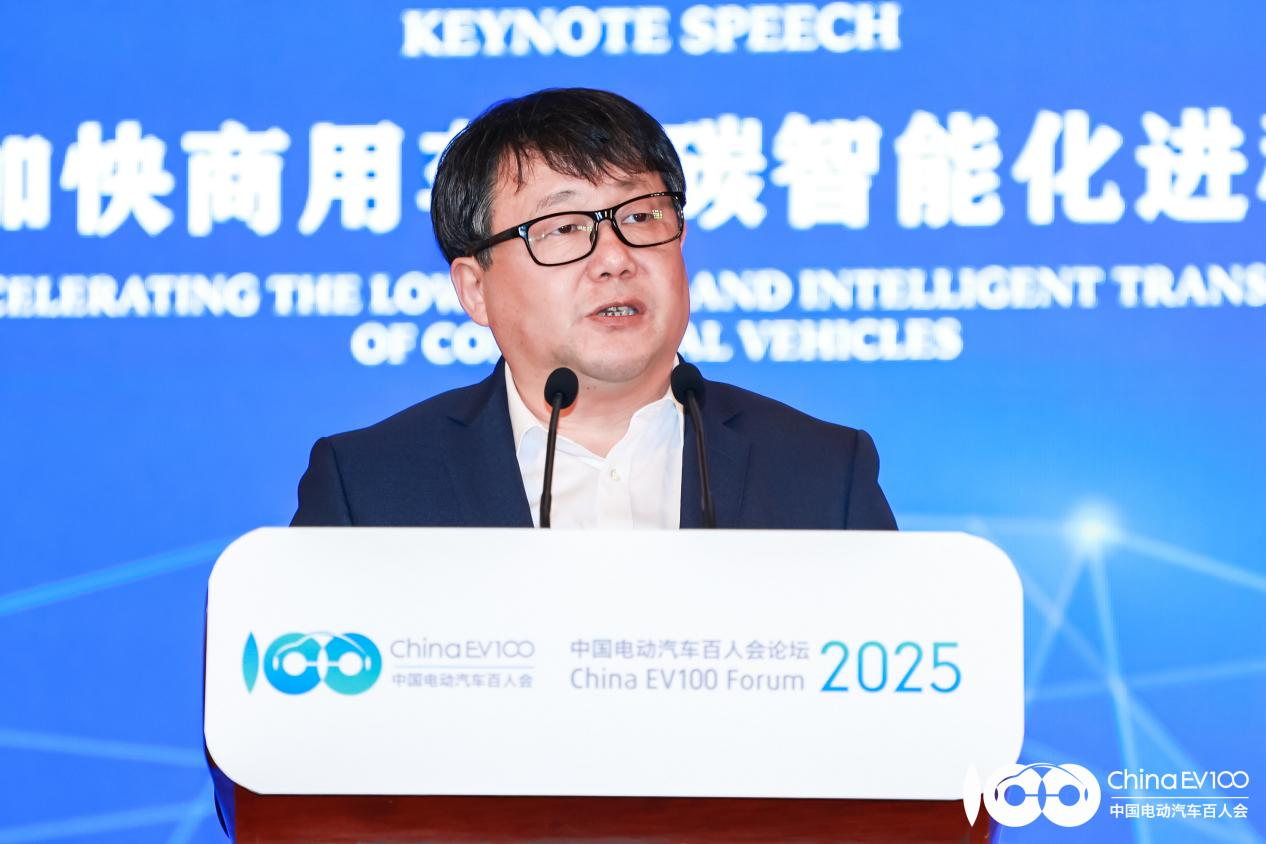
新京报贝壳财经讯(记者张冰)3月28日,远程新能源商用车集团首席执行官范现军在中国电动汽车百人会论坛(2025)商用车论坛上表示,"当前,国内乘 用车领域的新能源化渗透率已经达到了50%左右,但商用车新能源化的渗透率不到20%。我们对商用车场景深入研究后认为,场景和工况更加复杂的商用车 只有通过混动或现行的醇与电结合,才能加快新能源化的提升。"绿色甲醇规模化应用于商用车既解决了国家能源安全的问题,也可以快速解决商用车减碳 难的问题。 他认为,醇氢电动相对于纯电补能更快捷灵活,且醇氢电动汽车技术专利供应链更多掌握在中国企业手里,相关产业具备全球竞争优势。截至目前,国家部 委及各省市已出台了50个左右支持醇氢汽车推广应用的技术文件,甲醇能源发展无疑已经迈入了新的阶段,醇氢能源时代正在加速到来。为了更好地推动醇 氢电动,远程制定了"1233"的生态战略,从绿醇制备、甲醇加注,到纯电汽车三位一体的协同发展。 编辑 阎侠 校对 柳宝庆 远程新能源商用车集团首席执行官范现军。主办方供图 范现军表示,近几年大家在新能源化的探索路径方面主要围绕纯电、插混、氢能三个主流路线展开,从实际应用效果来看,这些主流的新能源商用车技术路 ...