绿色转型(GX)

Search documents
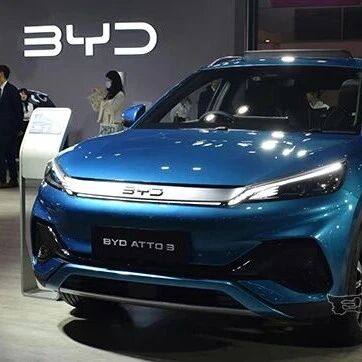
日本EV补贴:BYD比丰田少4万人民币
日经中文网· 2026-03-18 03:21
Core Viewpoint - The Japanese government has adjusted the subsidy amounts for electric vehicles (EVs), favoring domestic brands like Toyota, while BYD's models have not seen any increase in subsidies, leading to significant competitive disadvantages for the Chinese manufacturer [2][6]. Group 1: Subsidy Adjustments - The Japanese Ministry of Economy, Trade and Industry has increased the subsidy cap for EVs by 400,000 yen, reaching a maximum of 1.3 million yen (approximately 56,000 RMB) [4]. - The subsidy amounts for BYD's models remain unchanged at 350,000 to 450,000 yen (approximately 15,200 to 19,500 RMB), creating a disparity of up to 1 million yen compared to competitors like Toyota [6][8]. - The adjustments are based on a reassessment of the subsidy amounts starting from April 2025, with the current changes applicable only for the first three months of 2026 [8]. Group 2: Competitive Landscape - Tesla's subsidy has been increased to 1.27 million yen, which is a 400,000 yen increase, positioning the company for significant growth in the Japanese market [9]. - Other manufacturers, such as Hyundai and Audi, have also seen increases in their subsidy amounts, with Hyundai's IONIQ 5 Voyage receiving a 200,000 yen increase to 870,000 yen [9][10]. - The disparity in subsidy amounts has raised concerns among import car manufacturers, who feel that the adjustments favor American and domestic brands over others [9][10]. Group 3: Evaluation Standards - The subsidy evaluation criteria consist of vehicle performance ("model assessment") and the establishment of charging infrastructure and maintenance personnel ("company assessment"), with a total score of 200 points determining the subsidy amount [6][10]. - BYD's president in Japan expressed dissatisfaction with the low scores received, indicating that the company has not been recognized positively despite efforts to improve charging infrastructure [7][10]. - The Japanese government has stated that the evaluation standards remain unchanged, but the results have led to significant disparities in subsidy amounts among different manufacturers [10].


韩产业部:将选30个战略项目吸引外商投资,并提高现金补贴比例
Shang Wu Bu Wang Zhan· 2026-02-11 17:32
Core Viewpoint - The South Korean Ministry of Trade, Industry and Energy announced a plan to select 30 strategic projects aimed at attracting foreign investment, with a focus on customized support for projects located outside the capital region [1] Group 1: Strategic Projects - The 30 strategic projects will focus on four key areas: advanced industries, supply chains, artificial intelligence transformation (AX), and green transformation (GX) [1] - Customized support for these projects will include funding, site selection, research and development, and talent acquisition [1] Group 2: Financial Incentives - The cash subsidy ratio for foreign investment projects will increase by up to 10 percentage points as the distance from the capital region increases [1] - Additional financial support will be provided by the central government for specific areas requiring policy assistance, such as RE100 industrial parks [1] Group 3: Investment Zones - The Ministry plans to establish new foreign investment zones outside the capital region and reduce rental costs in these areas [1] - The government emphasizes that foreign investment is not just about capital flow but also about creating opportunities, aiming to support youth development and regional growth [1]
“高市早苗经济学”面临哪些挑战?
Di Yi Cai Jing· 2025-11-03 08:20
Economic Challenges - The Japanese economy is facing significant constraints due to demographic issues, with a focus on the long-term impact of population decline and aging [1][5] - The government has initiated the "Japan Growth Strategy Council" to implement active fiscal policies aimed at increasing income, improving consumer confidence, and enhancing tax revenue [1] - Despite achieving a 5.4% wage increase agreement in 2025, real wage income is still declining due to rising prices, indicating a need for wages to grow at least 3% to meet sustainable inflation targets [3][5] Inflation Impact - The core consumer price index in Tokyo rose by 2.8% year-on-year as of October 31, surpassing previous expectations, with nationwide price increases remaining above the Bank of Japan's 2% target for three and a half years [3] - The rising cost of living, particularly for essential goods, is significantly impacting low-income groups, leading to increased financial strain on the population [3][4] Corporate and Labor Market Dynamics - The number of bankrupt companies in Japan with debts exceeding 10 million yen reached 4,990 in the first half of 2025, marking a 1% increase from the previous year, highlighting the financial strain on small and medium-sized enterprises [4] - Large corporations are raising wages, but the cost is often passed onto suppliers, which poses challenges for small businesses that employ 70% of the workforce [3][4] Demographic Trends - Japan's total population is projected to be slightly above 124.33 million in 2024, reflecting a decrease of approximately 554,500 from 2023, continuing a 16-year trend of population decline [5] - The aging population is leading to increased social security expenditures, which accounted for 33.1% of the total fiscal budget in the 2025 initial budget proposal [5] Workforce Investment - Addressing labor shortages is seen as a structural issue, with calls for reforms in human resource systems to attract talent through flexible work arrangements and salary structures [6] - There is an emphasis on increasing investments in human capital, particularly focusing on women's potential and enhancing productivity in small and medium enterprises [6]

日本在为对美关税谈判准备“造船牌”
日经中文网· 2025-05-09 08:10
Core Viewpoint - Japan is negotiating with the U.S. to adjust tariffs in exchange for technical support and assistance in building new ships, emphasizing contributions to U.S. domestic industry revival and security [1][4]. Group 1: Negotiation Strategies - Japan is preparing to leverage its shipbuilding capabilities as a bargaining chip in tariff negotiations with the U.S., focusing on investments in U.S. shipbuilding companies [1][3]. - Japanese Prime Minister Kishida emphasized the importance of integrating agriculture, energy, shipbuilding, and automotive sectors in negotiations [1][4]. - A special task force led by Akizawa and Chief Cabinet Secretary Matsuno is formulating specific proposals for negotiations [1]. Group 2: U.S.-Japan Defense Cooperation - U.S. Navy Secretary John F. Kirby urged Japan to assist in shipbuilding, including the construction of military-capable commercial vessels [2]. - Japan's shipbuilding industry, holding nearly 20% of the global market share, is recognized for its quality and technology, particularly in energy efficiency and automation [3][4]. - The collaboration aims to enhance the deterrence and response capabilities of the U.S.-Japan alliance through joint production and maintenance of defense equipment [4]. Group 3: Strategic Implications - Japan's shipbuilding technology is gaining attention beyond the U.S., with its Mogami-class frigate being shortlisted for Australia's new frigate program [4]. - The U.S. administration's focus on revitalizing domestic shipbuilding is driven by the need to counter China's maritime expansion and strengthen national security [4]. - Japan is advancing the development of new fuel ships powered by LNG and hydrogen as part of its green transition strategy, which could benefit from U.S. collaboration [3]. Group 4: Challenges and Considerations - While Japan aims to reduce the time U.S. vessels spend returning to the U.S. for repairs, the direct impact of shipbuilding cooperation on trade deficit reduction remains uncertain [5]. - The shipbuilding topic has emerged in negotiations, but a standalone agreement has not yet been reached [5].