美伊军事冲突

Search documents
美军使用钻地弹!中东突变,特朗普表态!霍尔木兹海峡,再现“罗生门”?
证券时报· 2026-03-31 05:55
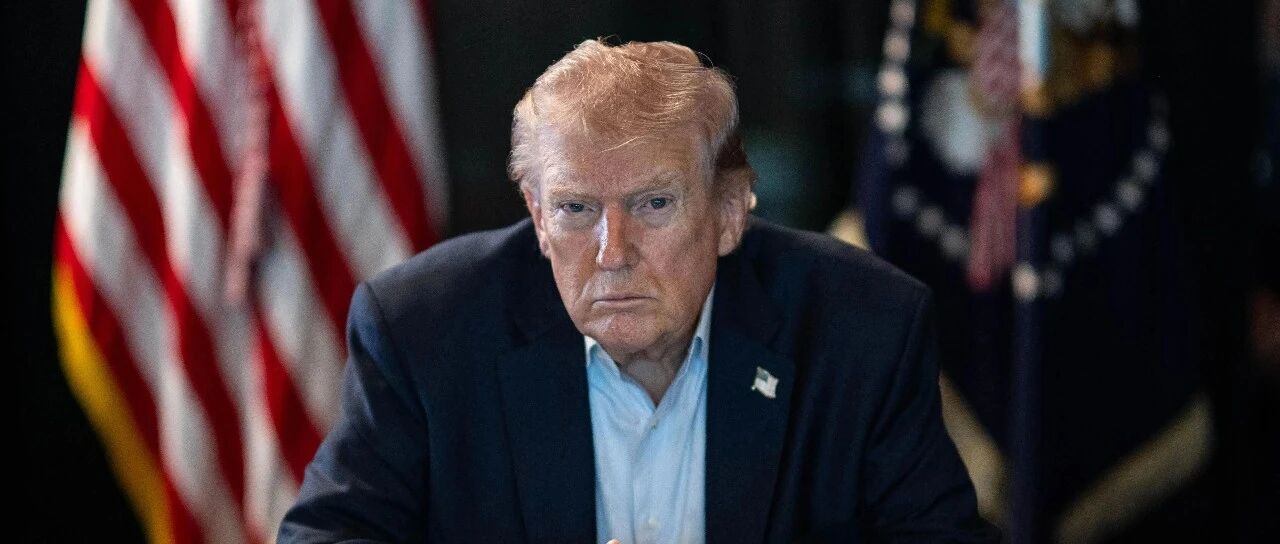
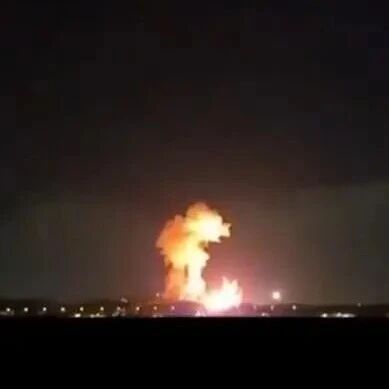
Core Viewpoint - The article discusses recent military actions by the U.S. against Iran, including the use of a 2000-pound bunker buster bomb on a large munitions depot in Isfahan, Iran, and the broader implications for U.S.-Iran relations and global oil prices [1][3][4]. Group 1: Military Actions - The U.S. military has targeted over 11,000 Iranian sites in the past month, focusing on Iran's offensive capabilities [3]. - A 2000-pound bunker buster bomb was used in an attack on a munitions depot in Isfahan, resulting in significant explosions and smoke [1]. Group 2: Diplomatic Efforts and Economic Implications - President Trump is willing to end military actions against Iran, despite the ongoing closure of the Strait of Hormuz, and aims to weaken Iran's naval and missile capabilities while using diplomatic means to restore shipping in the region [4]. - The longer the Strait of Hormuz remains closed, the greater the impact on the global economy, leading to sustained increases in oil prices [4]. Group 3: Iranian Response - Iran's parliament has established a management plan for the Strait of Hormuz, prohibiting vessels from the U.S., Israel, and countries imposing unilateral sanctions from passing through [5]. - An Iranian official stated that no vessels from hostile nations would be allowed to transport goods through the Strait without an agreement with Iran [5].

美国援军抵达中东
21世纪经济报道· 2026-03-30 04:24
Group 1 - The article reports that hundreds of U.S. special forces have arrived in the Middle East to provide more options for military action against Iran [1] - The total number of U.S. troops in the Middle East has exceeded 50,000, which is about 10,000 more than the usual deployment [2] - The article highlights that any potential ground operations will not reach the scale of a full invasion [2] Group 2 - The strategic locations mentioned include the Hormuz Strait and the Khark Island, which is Iran's largest oil export hub, with 90% of Iran's oil exported from there [2] - Iranian officials have warned that any attempt by the U.S. to seize Iranian islands will be met with a "decisive counterattack" [2] - The article also notes that the U.S. Vice President stated that the U.S. will soon withdraw from Iran, which may lead to a decrease in oil prices [3]

伊朗武装部队发表声明
第一财经· 2026-03-30 00:16
Core Viewpoint - The Iranian military is prepared to respond decisively to any U.S. ground operations in Iran, warning that such actions would lead to severe consequences for U.S. forces [1][2]. Group 1 - The Iranian military spokesperson stated that U.S. President Trump's threats of ground operations in Iran would lead to the entrapment and death of American soldiers, indicating a high level of military readiness in Iran [1]. - Reports indicate that the Pentagon is preparing for potential ground operations in Iran, which could escalate the situation into a dangerous new phase of conflict [1]. - Iranian officials have emphasized that any attempt by the U.S. to seize Iranian islands would be met with a strong counterattack [2]. Group 2 - Over the past 30 days, Iranian citizens have shown continuous support for their armed forces through public gatherings, reflecting national solidarity in the face of external threats [3]. - Iran has reportedly strengthened its defenses at the oil export hub of Khark Island, increasing military personnel and air defense units in anticipation of possible U.S. military actions [3].

伊朗议长:美国假装谈判暗谋进攻
财联社· 2026-03-29 10:59
Core Viewpoint - The article highlights the tension between Iran and the United States, indicating that while the U.S. publicly discusses negotiations, it is secretly planning ground operations against Iran [1] Group 1 - Iranian parliamentary speaker, Qalibaf, claims that the Iranian armed forces are "waiting" for a U.S. ground attack and will "punish" its regional allies [1] - Reports suggest that the Pentagon is preparing for "weeks-long ground operations" in Iran, although the extent of President Trump's approval for these plans remains unclear [1]

“多名美军受伤,多架美军机受损”
第一财经· 2026-03-28 03:13
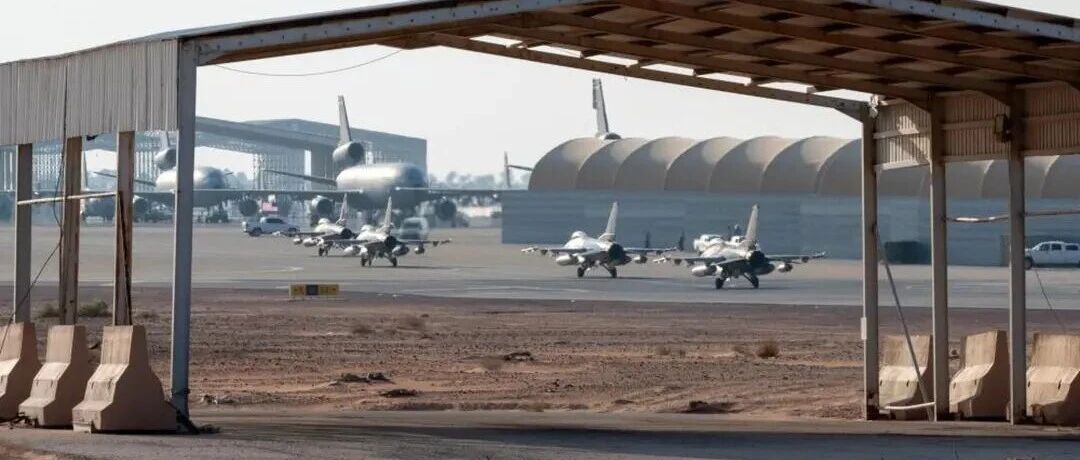
Core Viewpoint - The article discusses a recent missile attack by Iran on the Prince Sultan Air Base in Saudi Arabia, which resulted in injuries to several U.S. military personnel and damage to military aircraft [3][4]. Group 1: Attack Details - On March 27, Iran launched missiles and drones targeting the Prince Sultan Air Base, claiming it was a response to U.S. and allied military actions [4][7]. - The attack resulted in damage to multiple U.S. military aircraft, including three KC-135 aerial refueling tankers, and several other aircraft were severely damaged [5][4]. - This incident is part of a broader escalation of conflict, with at least 303 U.S. military personnel reported injured in related operations against Iran, including 10 with serious injuries [7]. Group 2: Military Context - The Iranian military, specifically the Islamic Revolutionary Guard Corps, announced the operation as part of their ongoing military campaign, indicating a sustained threat to U.S. forces in the region [4][7]. - The attack highlights the increasing risks faced by U.S. personnel and facilities in the Middle East as tensions continue to rise [7].
特朗普揭晓所谓伊朗“大礼”:允许10艘油轮通过霍尔木兹海峡;调解方:伊朗没“求”美国推迟空袭能源设施
中国能源报· 2026-03-27 00:44
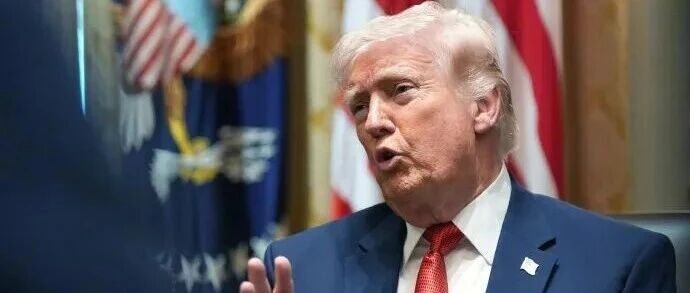
Core Viewpoint - The article discusses President Trump's announcement regarding Iran's gesture of allowing 10 oil tankers to pass through the Strait of Hormuz, suggesting a potential negotiation opportunity related to Iranian oil control [3][4]. Group 1: Iran's Gesture and Negotiation - Trump claims that Iran's allowance of 10 oil tankers through the Strait of Hormuz is a "gift" indicating their willingness to negotiate [3][4]. - The Iranian government has stated that the Strait of Hormuz is open to all, except for those who violate Iranian territory, and has established a control system for passing vessels [5][10]. - Reports indicate that 26 vessels have passed through the Strait under Iran's control system from March 13 to March 25 [5]. Group 2: Military Actions and Tensions - The U.S. and Israel launched a large-scale military operation against Iran on February 28, leading to retaliatory actions from Iran and significant disruptions in global energy transport through the Strait of Hormuz [5]. - The ongoing military tensions have resulted in increased international oil prices and heightened inflationary pressures in the U.S. [5]. Group 3: Diplomatic Developments - Reports suggest that Iran has not formally requested the U.S. to delay airstrikes on its energy facilities, despite Trump's claims [6][8]. - The likelihood of achieving a ceasefire remains low, as both Iran and the U.S. have made extreme demands that are unacceptable to each other [7]. - Iranian officials have expressed a desire to negotiate but have not committed to any agreements regarding their missile program or uranium enrichment activities [6][7].
美方被曝正酝酿对伊朗最后一击
财联社· 2026-03-26 10:55
Group 1 - The core viewpoint of the article highlights the U.S. Department of Defense's development of a "last strike" military option against Iran, which may include ground troops and large-scale airstrikes if diplomatic negotiations do not progress, especially with ongoing disruptions in the Strait of Hormuz [1] - Analysts suggest that the likelihood of escalating tensions will increase if diplomatic efforts fail, with some U.S. officials believing that strong military action could provide leverage in future negotiations [1] - The discussed military options include blocking or conducting military actions against Iran's main oil export hubs and key islands, as well as intercepting Iranian oil shipments in the Strait of Hormuz [1] Group 2 - The U.S. military is preparing strike plans against Iranian nuclear facilities, which may involve ground operations deep inland or large-scale airstrikes, although these plans have not been finalized and are still considered "hypothetical" by the White House [1] - The White House has indicated that if substantial progress is not made in negotiations with Iran, further escalation of military actions cannot be ruled out [1] - The U.S. is increasing its military presence in the Middle East, including deploying fighter jet squadrons and ground troops, while Iran has warned of large-scale retaliation if attacked [1]

特朗普是在摸索停战出口还是在争取时间?
日经中文网· 2026-03-25 06:18
Core Viewpoint - The article discusses the evolving negotiations between the U.S. and Iran regarding a ceasefire, highlighting President Trump's shift from aggressive posturing to proposing dialogue, while also noting Iran's denial of such negotiations [2][5]. Group 1: Negotiation Dynamics - Trump announced that U.S. and Iranian governments will continue discussions for a ceasefire within the week, indicating a significant change in approach from previous threats of military action [2][5]. - Reports suggest that a face-to-face meeting will occur in Islamabad, Pakistan, with a five-day grace period before any military action is taken against Iran's power plants [5][9]. - Iranian officials, including Parliament Speaker Mohammad Baqer Qalibaf, are seen as key figures in the negotiations, although there are doubts about the coherence of Iran's leadership and their ability to reach a consensus [8][9]. Group 2: Regional and Domestic Implications - The backdrop of these negotiations includes rising domestic prices in the U.S., which could impact Trump's political standing ahead of the midterm elections [7]. - Iran's ongoing attacks on Israel during the negotiation period reflect the complexities and challenges of achieving a ceasefire [4]. - The potential for U.S. military presence in the region is indicated, with thousands of U.S. Marines expected to arrive by the end of the five-day period, suggesting preparations for possible ground operations [9].
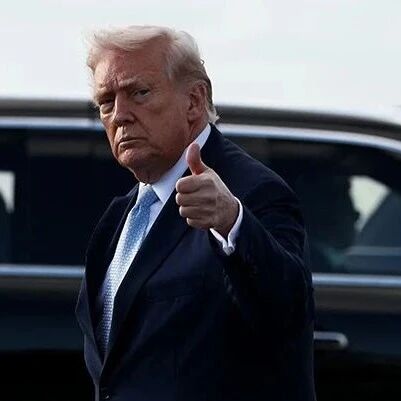
霍尔木兹海峡,突发!特朗普下“最后通牒”,伊朗回应!英国核动力潜艇抵达阿拉伯海
证券时报· 2026-03-22 03:27
Group 1 - The article discusses escalating tensions between the US and Iran, with President Trump threatening military action if Iran does not open the Strait of Hormuz within 48 hours [2] - Iran's military has warned that any attack on its energy infrastructure will lead to retaliation against US and allied energy facilities in the region [2] - The US is reportedly deploying three additional warships and approximately 2,500 Marines to the Middle East to enhance military options against Iran [2] Group 2 - Iran's Islamic Revolutionary Guard Corps has conducted missile and drone strikes against multiple Israeli military facilities as part of its "Real Commitment-4" operation [5][6] - Targets included locations in southern Israel such as Arad, Dimona, Eilat, Beersheba, and Kiryat Gat, as well as US military bases in Kuwait and the UAE [6] - The Israeli Defense Forces have responded by targeting Iranian regime objectives in Tehran and have approved airstrike operations across all fronts [8][10]

特朗普:正考虑逐步降级对伊朗的军事行动
中国能源报· 2026-03-21 02:47
Core Viewpoint - The article discusses President Trump's consideration of gradually de-escalating military actions against Iran while emphasizing the need for other countries using the Strait of Hormuz to take responsibility for its security [3]. Group 1 - Trump stated that the U.S. is close to achieving its goals of significantly weakening Iran's missile capabilities, defense industry, and military forces [3]. - The U.S. aims to prevent Iran from acquiring nuclear capabilities and maintain a strong response capability if necessary [3]. - Trump indicated that the U.S. will no longer take responsibility for guarding the Strait of Hormuz, suggesting that other nations should assume this role, although the U.S. is willing to provide support if invited [3]. Group 2 - Iran's parliamentary spokesperson, Ibrahim Rezaei, announced that Iran has no plans to negotiate with the U.S., dismissing claims of ceasefire or negotiations as false narratives aimed at controlling energy prices [4].