美伊核协议谈判

Search documents
关于美伊谈判进展 斡旋方阿曼最新表态
Xin Lang Cai Jing· 2026-02-28 03:42
Group 1 - The core viewpoint of the articles is that Iran has agreed to never possess nuclear materials capable of making nuclear weapons, with ongoing negotiations showing significant progress [1][2] - Oman’s Foreign Minister Badr stated that Iran's existing enriched uranium will be reduced in purity and converted into fuel, a process that is irreversible [1] - Badr expressed confidence that if a fair and sustainable agreement is reached, U.S. inspectors may also be allowed to enter Iranian facilities at some stage [1] - The U.S. and Iran are reportedly serious about reaching an agreement, with indications that a deal could be finalized soon, although it may take three months to implement the terms [1] - The third round of indirect negotiations between the U.S. and Iran took place in Geneva, facilitated by Oman, with technical discussions scheduled to continue in Vienna [2]
阿曼外交大臣:伊朗已同意“永远不再拥有可制造核弹的核材料”
Xin Hua She· 2026-02-28 00:54
Group 1 - The core viewpoint is that Iran has agreed to never possess materials capable of manufacturing nuclear weapons, as stated by Oman's Foreign Minister Badr [1] - Iran's existing enriched uranium will be reduced in purity and converted into fuel, with this conversion being irreversible [1] - Iran is willing to allow comprehensive access for International Atomic Energy Agency (IAEA) inspectors to verify the terms of the agreement [1] Group 2 - The third round of indirect negotiations between the US and Iran took place in Geneva, facilitated by Oman, with significant progress reported [2] - Technical discussions are scheduled to occur next week in Vienna, indicating ongoing diplomatic efforts [2] - The US President expressed hope for Iran to completely cease uranium enrichment activities, emphasizing Iran's oil resources as a reason for this [1]
阿曼外交大臣会见美副总统,称美伊谈判取得“前所未有进展”
Xin Lang Cai Jing· 2026-02-27 22:32
Core Viewpoint - The meeting between Oman's Foreign Minister Badr and U.S. Vice President Vance highlights significant progress in U.S.-Iran indirect negotiations, facilitated by Oman, aiming for a fair and sustainable nuclear agreement [2] Group 1 - The discussions reviewed the advancements made in the U.S.-Iran indirect negotiations under Oman's mediation [2] - Badr emphasized that the negotiations have achieved "key, important, and unprecedented progress," laying a foundation for a potential agreement [2] - Badr expressed optimism for further decisive progress in the negotiations in the coming days, stating that "peace is within reach" [2]

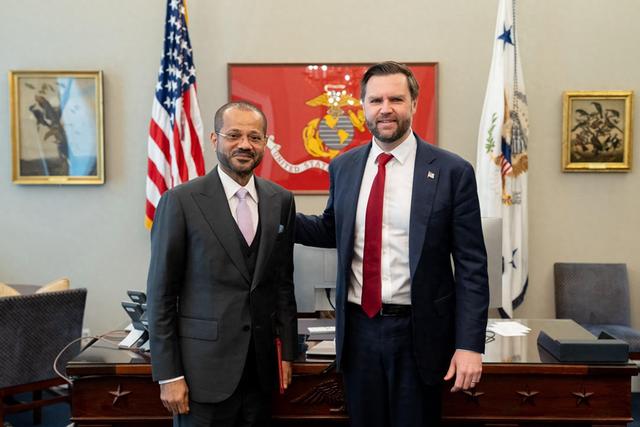
阿曼外交大臣会见美副总统 称美伊谈判取得“前所未有进展”
Yang Shi Xin Wen· 2026-02-27 19:21
Group 1 - The core viewpoint of the articles highlights the progress made in the indirect negotiations between the US and Iran, facilitated by Oman, focusing on achieving a fair and sustainable nuclear agreement and ensuring the peaceful nature of Iran's nuclear program [1][2] Group 2 - Oman's Foreign Minister Badr stated that the negotiations have achieved "critical, significant, and unprecedented progress," which is expected to lay the groundwork for reaching the anticipated agreement [2] - Badr expressed optimism about the potential for further decisive progress in the US-Iran negotiations in the coming days, indicating that "peace is within reach" [2]
谈判进入“决定性回合”,美舰机仍向中东集结,世界紧盯美伊“摊牌”时刻
Huan Qiu Shi Bao· 2026-02-26 22:59
Group 1 - The core point of the article revolves around the third round of indirect negotiations between Iran and the United States, which is seen as a decisive moment that could determine the future of U.S.-Iran relations, whether it leads to peace or conflict [1][6]. - Iran's Foreign Minister Zarif emphasized that the success of the negotiations depends on the seriousness of the U.S. and its ability to avoid contradictory actions [1]. - The U.S. continues to exert pressure on Iran through sanctions and military deployments, including the addition of F-22 fighter jets to Israel [1][7]. Group 2 - Iran's proposed agreement includes maintaining a symbolic uranium enrichment capability, with plans to suspend nuclear activities for 3 to 5 years and keep enrichment levels at a low 1.5% for medical research [4]. - The proposal also involves gradually diluting its stock of 400 kilograms of high-enriched uranium and allowing international oversight of the process [4]. - Iran is open to discussing a multilateral verification mechanism for its nuclear program, although it is unlikely to accept a zero enrichment requirement [4]. Group 3 - Iranian President Raisi expressed optimism about the negotiations, stating that there is no intention to develop nuclear weapons, and sees the talks as a historic opportunity [5]. - Iran is considering offering business opportunities to U.S. companies, including investments in oil, gas, and mining sectors, to persuade the U.S. to reach a nuclear agreement [5]. - The negotiations are viewed as a critical test of U.S. sincerity and willingness to engage in a mutually beneficial agreement [6]. Group 4 - The U.S. continues to impose sanctions on Iran, targeting over 30 entities and individuals involved in what it describes as illegal oil sales and missile production [5]. - The upcoming negotiations are expected to focus on nuclear issues while Iran aims to push for the lifting of economic sanctions [5]. - The international community is closely monitoring the situation, with many countries advising their citizens to leave Iran amid rising tensions [7].
特朗普:是否对伊朗动武,最终决定权在我
Xin Lang Cai Jing· 2026-02-25 15:52
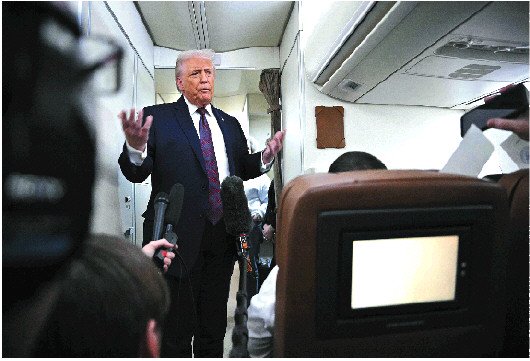
Group 1 - President Trump stated that reports about General Milley opposing military action against Iran are "100% wrong" and emphasized his preference for a diplomatic agreement with Iran, while warning that failure to reach an agreement would lead to a "very bad day" for Iran [2][3] - General Milley reportedly expressed caution regarding military action against Iran, highlighting the significant risks and potential for a prolonged conflict, although he would support any decision made by Trump [3][4] - Trump is considering a phased military approach, starting with a limited strike against Iran to compel compliance with U.S. demands, followed by the possibility of a larger military action if necessary [5] Group 2 - The U.S. is increasing military pressure on Iran, with the deployment of an aircraft carrier strike group to the Middle East, and a second strike group expected to follow soon [4] - Iran's Foreign Minister responded to U.S. military threats by asserting that Iran will not surrender, emphasizing national pride and resilience [4] - Upcoming negotiations between the U.S. and Iran are scheduled for June 26 in Geneva, with Iran indicating a willingness to make concessions to reach a better agreement than the 2015 nuclear deal [6]
伊朗外长说希望尽快与美国达成协议
Xin Hua She· 2026-02-25 01:12
Core Viewpoint - Iran's Foreign Minister Zarif expressed the country's desire to reach a fair agreement with the United States during upcoming negotiations in Geneva, emphasizing the importance of diplomatic solutions [1] Group 1: Negotiation Context - Iran is set to resume negotiations with the U.S. in Geneva based on previously established consensus, aiming for a swift and fair agreement [1] - The new round of talks is scheduled for the 26th of the month, as confirmed by Oman's Foreign Minister [1] - The second round of indirect negotiations took place on the 17th of the month, with both sides acknowledging progress despite existing differences [1] Group 2: Iran's Position - Iran maintains a clear stance that it will not develop nuclear weapons and will not relinquish its rights to peaceful nuclear technology [1] - Zarif highlighted the historic opportunity for both nations to reach an unprecedented agreement, contingent on prioritizing diplomatic avenues [1] Group 3: U.S. Military Presence - The U.S. has recently amassed significant military forces in the Middle East, with President Trump acknowledging consideration of "limited military strikes" against Iran [1]
伊朗:如美方有政治意愿 协议可很快达成
Xin Lang Cai Jing· 2026-02-25 00:30
Group 1 - Iran's Deputy Foreign Minister, Lavanchi, stated that Iran is prepared to reach an agreement with the U.S. as soon as possible [1][3] - Lavanchi emphasized that the only topic for negotiation is the nuclear issue, expressing hope for a positive response from the U.S. [3][4] - The next round of negotiations between the U.S. and Iran is scheduled for the 26th in Geneva, following a previous round on the 17th, where both sides noted progress despite existing differences [3][4] Group 2 - Oman's Foreign Minister confirmed the upcoming negotiations, indicating ongoing diplomatic efforts in the region [3] - The U.S. has been amassing military forces in the Middle East, with President Trump acknowledging consideration of "limited military strikes" against Iran [3]
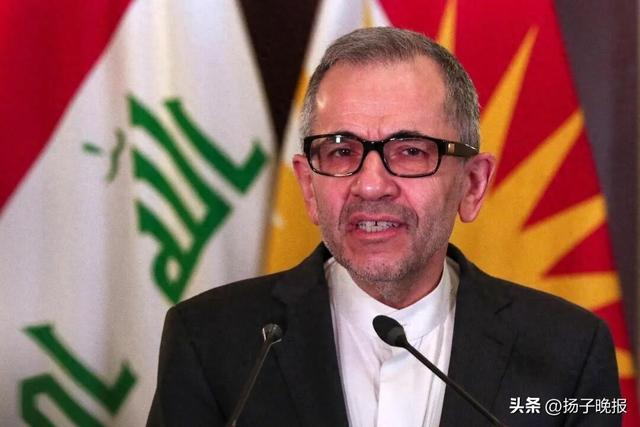
美伊26日谈判在即 是否对伊朗动武:白宫先内讧了
Xin Lang Cai Jing· 2026-02-23 23:46
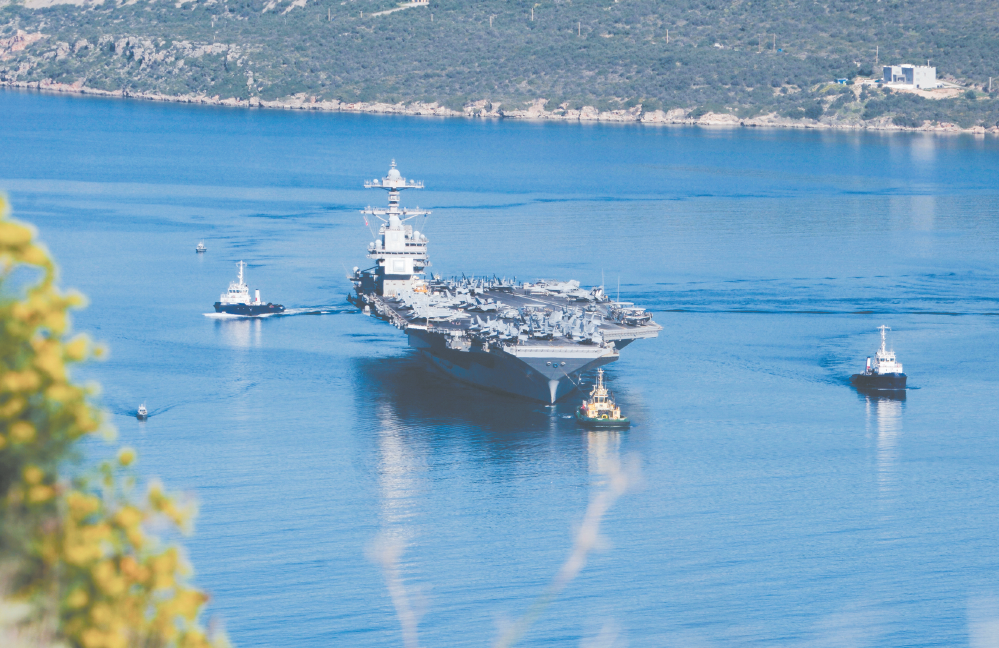
Group 1 - The U.S. and Iran are set to hold a new round of negotiations on February 26 in Geneva, with U.S. Special Envoy Wittecoff and Jared Kushner participating [1] - The U.S. military presence in the region is increasing, with the USS Gerald R. Ford aircraft carrier arriving at a key base in the Eastern Mediterranean and multiple U.S. military aircraft landing at Israel's Ben Gurion Airport [3][5] - The U.S. State Department has raised its travel warning for Lebanon to the highest level, advising American citizens to leave and suspending regular consular services at its embassy in Beirut [5] Group 2 - Reports indicate that President Trump is considering a preliminary military strike against Iran, potentially followed by a larger military action in the coming months [6] - There are internal divisions within the U.S. decision-making body regarding military action against Iran, with some officials expressing concerns about the risks of prolonged conflict [8] - Iran has warned that any attack, regardless of scale, will be viewed as aggression, and they are closely monitoring developments while engaging in diplomatic talks [10] Group 3 - An unnamed Iranian official stated that Iran is willing to make concessions on nuclear issues, including sending half of its enriched uranium abroad and diluting the remaining portion, in exchange for U.S. recognition of its right to peaceful uranium enrichment and the lifting of economic sanctions [11] - Experts suggest that while Iran is showing more flexibility, the likelihood of reaching a preliminary agreement remains uncertain due to various factors, including Israel's potential actions [13] - Israeli Prime Minister Netanyahu has warned that any attack from Iran will be met with an unimaginable level of retaliation [15]
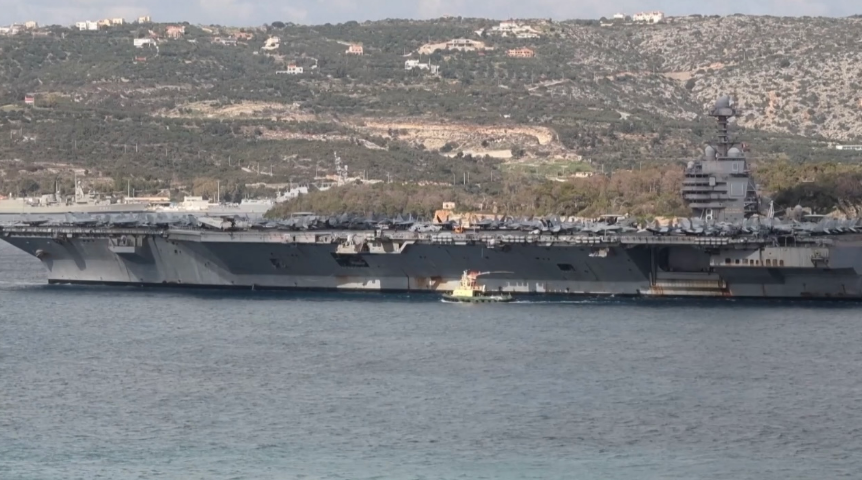
特朗普:为什么伊朗还不“投降”
Xin Lang Cai Jing· 2026-02-23 17:36
Group 1 - The U.S. is increasing its military presence in the Middle East while Iran remains defiant, with Iranian officials expressing willingness to negotiate on nuclear rights in exchange for sanctions relief [2][3] - A new round of U.S.-Iran negotiations is scheduled for January 26 in Geneva, following previous talks that showed some progress despite ongoing disagreements [3][4] - President Trump is considering limited military strikes against Iran to compel compliance with U.S. demands regarding nuclear capabilities, with potential targets including military and nuclear facilities [3][4] Group 2 - Iranian officials have indicated a willingness to make concessions, such as reducing enriched uranium stockpiles, in exchange for U.S. recognition of their right to peaceful nuclear energy and lifting economic sanctions [2] - The U.S. has deployed significant naval forces near Iran, including the Abraham Lincoln and Gerald R. Ford carrier strike groups, indicating a heightened military readiness [4] - Iranian Foreign Minister Zarif has stated that a better agreement than the 2015 nuclear deal is possible, emphasizing Iran's right to peaceful nuclear energy [4]