
美国与欧洲关系

Search documents
特朗普称不用武力暂缓加税 丹麦:“夺岛”野心依旧明显
Yang Shi Xin Wen· 2026-01-21 22:24
Core Viewpoint - The U.S. President Trump stated at the World Economic Forum that he will not use military force to acquire Greenland, and he will not impose tariffs on the eight European countries opposing U.S. acquisition of Greenland for the time being [1] Group 1 - Trump's ambition to annex Greenland remains "very clear," according to Danish Foreign Minister Rasmussen, who emphasized that Denmark will not discuss the transfer of Greenland to the U.S. [1] - European leaders are taking a wait-and-see approach regarding Trump's statements, with an emergency EU summit scheduled for the evening of January 22 to continue discussions on the threats posed by the U.S. [1]
美国需要格陵兰岛因欧洲“软弱” ?多位美议员发出警告
Zhong Guo Xin Wen Wang· 2026-01-19 02:50
Core Viewpoint - The U.S. Treasury Secretary suggests that the perceived "weakness" of Europe necessitates U.S. control over Greenland to "maintain global stability" [1] Group 1: U.S. Government Actions - The U.S. government plans to impose a 10% tariff on goods from Denmark, Norway, Sweden, France, Germany, the UK, the Netherlands, and Finland starting February 1, with the rate increasing to 25% by June 1 unless an agreement on the "complete and total purchase of Greenland" is reached [1] - The U.S. Secretary of the Treasury believes that European leaders will eventually accept the idea of U.S. control over Greenland, claiming it is beneficial for Greenland, Europe, and the U.S. [1] Group 2: Congressional Reactions - Several U.S. lawmakers have expressed warnings and concerns regarding the government's actions, with Senator Kaine indicating that the Senate Homeland Security Committee may push for a war powers resolution to limit presidential military authority or question the tariff actions [2] - Congressman Turner stated that the tariff policy could threaten relations with NATO allies, while Senator Van Hollen accused the U.S. of making false claims regarding the "national security value" of Greenland, suggesting that the President is primarily interested in the region's natural resources [3]
俄历史学家评估美国因格陵兰问题直接军事干预的可能性
Xin Lang Cai Jing· 2026-01-18 11:14
Group 1 - The core viewpoint is that the likelihood of direct U.S. military intervention in Greenland is low, as both Europe and the U.S. have mutual dependencies [1] - The European Union is viewed as a significant market, sphere of influence, and talent resource for the U.S., indicating the importance of transatlantic relations [1] - The discussion raises questions about the motivations behind former President Trump's interest in Greenland, suggesting it could undermine European relations [1]
阎学通:被美国霸凌 欧洲就一点责任没有吗?他们的“双标”坑了自己
Xin Lang Cai Jing· 2026-01-11 13:08
Core Viewpoint - The article discusses the responsibility of Europe in the context of its relationship with the United States, emphasizing that Europe cannot solely blame the U.S. for the existing disparities and must acknowledge its own shortcomings in security responsibilities [1]. Group 1 - European decision-makers have historically shifted their national security responsibilities onto the United States, indicating a lack of proactive accountability [1]. - The European Union has adopted a double standard policy, supporting U.S. actions against other nations while opposing similar actions directed at itself, which has led to negative consequences for Europe [1].
“美国将调整与中国的经济关系”
第一财经· 2025-12-07 01:37
Core Viewpoint - The article discusses the release of the Trump administration's updated National Security Strategy, emphasizing a shift in U.S. foreign policy, particularly regarding military presence in the Western Hemisphere and relations with China and Europe [3][5][8]. Group 1: U.S. National Security Strategy - The new strategy prioritizes border security and combating drug trafficking as core defense tasks, reflecting a shift from terrorism to immigration as the primary threat [5]. - It outlines plans to enhance the U.S. Coast Guard and Navy presence in the region to ensure border safety and counter drug cartels, potentially using lethal force if necessary [3][5]. Group 2: Relations with Europe - The strategy adopts an unprecedented confrontational stance towards Europe, warning of economic recession and demographic shifts in NATO member states, raising questions about their alliance with the U.S. [7]. - It criticizes European officials for obstructing U.S. efforts to end the Russia-Ukraine conflict, highlighting the adverse effects of the conflict on European external dependencies [7]. Group 3: U.S.-China Relations - The strategy notes that the relationship between the U.S. and China has evolved from one of disparity to a near-equal status, prompting a reevaluation of economic relations based on mutual benefit [8]. - It indicates a shift in focus from Asia to Latin America, elevating the latter's importance on the U.S. agenda [8].

普京会见之前,维特科夫称乌克兰与其要战斧,不如寻求关税豁免
Sou Hu Cai Jing· 2025-12-06 05:51
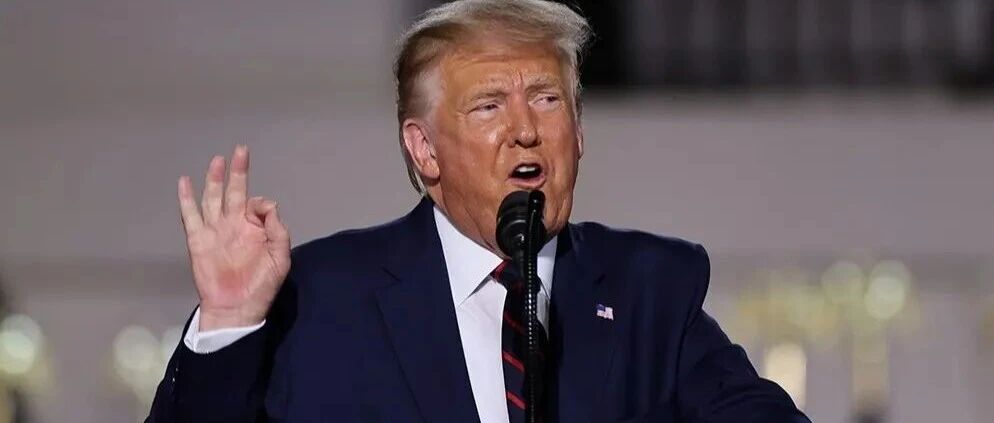
Group 1 - The core message of the news revolves around the meeting between U.S. representatives Vitkov and Kushner with Russian President Putin, indicating a shift in U.S. support for Ukraine, particularly regarding the provision of Tomahawk cruise missiles [1][2] - Vitkov suggested that Ukraine should prioritize a ten-year tariff exemption from the U.S. over the request for Tomahawk missiles, which reflects a change in U.S. strategy towards Ukraine [1] - The U.S. has previously proposed a peace plan that included deploying Tomahawk missiles in Ukraine post-ceasefire, but this may no longer be a viable option due to strong Russian opposition [1][2] Group 2 - European leaders, including German Chancellor Merz, have expressed that any peace decisions involving Ukraine should include Ukrainian and European participation, emphasizing the importance of unity within NATO and the EU [4] - There are signs of a potential decoupling between the U.S. and Europe, as indicated by reports of communication breakdowns between the U.S. Department of Defense and European officials [4][5] - The ongoing discussions highlight the complexity of the geopolitical landscape, where Ukraine must balance its interests with European security concerns, despite U.S. attempts to exclude Europe from negotiations [7]
美国财长贝森特:不必与欧洲闹僵。
news flash· 2025-07-21 11:38
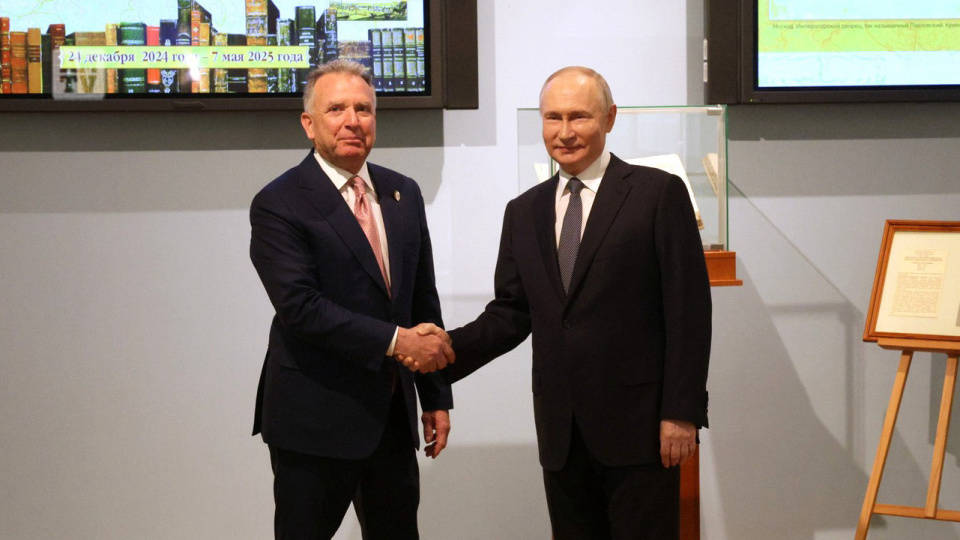
Core Viewpoint - The U.S. Treasury Secretary, Janet Yellen, emphasized the importance of maintaining a cooperative relationship with Europe and avoiding unnecessary conflicts [1] Group 1 - Yellen stated that there is no need for the U.S. to engage in a confrontation with Europe, highlighting the significance of collaboration [1] - The Secretary acknowledged the economic interdependence between the U.S. and Europe, suggesting that both regions benefit from a stable partnership [1] - Yellen's comments come amid ongoing discussions about trade policies and economic strategies that could impact transatlantic relations [1]