
国家安全战略

Search documents
美媒:美国发布新版国防战略 寻求与中国相互尊重关系 只字未提台湾
Xin Lang Cai Jing· 2026-01-25 06:55
Core Viewpoint - The 2026 National Defense Strategy released by the U.S. Department of Defense adopts a relatively moderate tone towards China and Russia, emphasizing a desire for stable and respectful relations with China while omitting any mention of Taiwan [2][3][4]. Group 1: U.S.-China Relations - The new strategy indicates that the Trump administration seeks to establish stable, peaceful, and fair trade relations with China, showing a willingness to engage directly with Chinese leadership [3][4]. - The document acknowledges China as the world's second strongest nation and states that the U.S. will maintain a favorable military balance in the Indo-Pacific region, not to dominate or humiliate China, but to ensure that neither China nor anyone else can dominate the U.S. or its allies [3][4]. Group 2: U.S.-Russia Relations - The strategy describes the threat from Russia as primarily concentrated in Eastern Europe and "manageable," contrasting with the Biden administration's view of Russia as an immediate threat [4][5]. - It emphasizes that the responsibility for addressing the ongoing conflict in Ukraine lies primarily with Europe, with the U.S. providing limited support [4]. Group 3: NATO and Defense Spending - The strategy stresses that U.S. allies must fulfill NATO's agreement to significantly increase defense spending, with a target of at least 3.5% of GDP for defense and an additional 1.5% for related expenditures [3]. - The document reflects a shift in focus from direct confrontation to encouraging allies to take on more defense responsibilities, particularly in Europe [2][3]. Group 4: Domestic Security Focus - The strategy highlights the importance of border security as a component of national security, prioritizing actions to secure the U.S. borders and address illegal immigration [5]. - It does not address climate change as a risk, which was previously identified as an emerging threat by the Biden administration [6]. Group 5: Regional Priorities - The strategy elevates Latin America on the U.S. agenda, aiming to restore military dominance in the Western Hemisphere and protect U.S. interests in key areas such as the Panama Canal and the Gulf of Mexico [6][7]. - It refers to this approach as the "Monroe Doctrine of the Trump inference," indicating a proactive stance in the region [7].

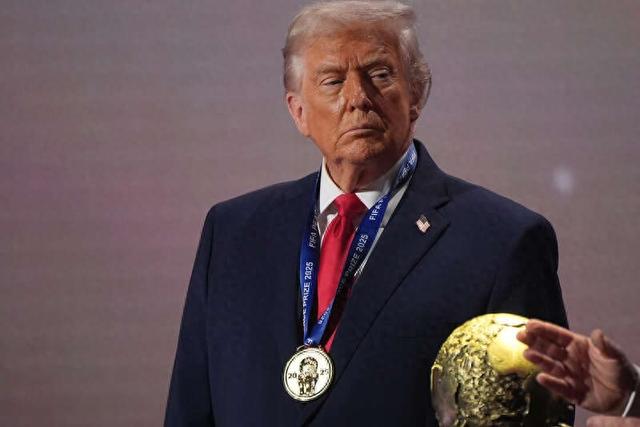
“保卫本土!”美国新版国防战略出炉,一次没提“台湾”
Xin Lang Cai Jing· 2026-01-24 08:14
Core Viewpoint - The U.S. Department of Defense has released a new "National Defense Strategy" that prioritizes the defense of the U.S. homeland and interests in the Western Hemisphere, adopting a more conciliatory tone towards China compared to previous strategies [1][3]. Group 1: Strategic Focus - The new strategy emphasizes four pillars: defending the U.S. homeland, deterring China through strength rather than confrontation, urging allies to take on more responsibilities, and significantly enhancing the U.S. defense industrial base [1]. - The document reflects a significant shift from the previous administration's focus on countering China, instead criticizing past governments for neglecting U.S. interests and calling for a focus on the "real interests" of the American public [3]. Group 2: Regional Considerations - The strategy presents a cautious view of Europe, acknowledging its importance while noting its declining share in the global economy, and emphasizes the need to prioritize the defense of the U.S. homeland and deter China [4]. - Russia is described as a manageable threat to NATO's eastern members, with the strategy ensuring U.S. military readiness against potential threats from Russia to the U.S. homeland [4]. Group 3: China Relations - The document indicates a desire for a stable and fair trade relationship with China, emphasizing the importance of negotiating from a position of strength [5]. - The Pentagon plans to engage in broader military communications with the Chinese military to achieve strategic stability and de-escalation of tensions [6]. - Notably, the strategy does not mention Taiwan, which marks a departure from previous drafts and indicates a potential shift in U.S. policy towards the region [7][11].
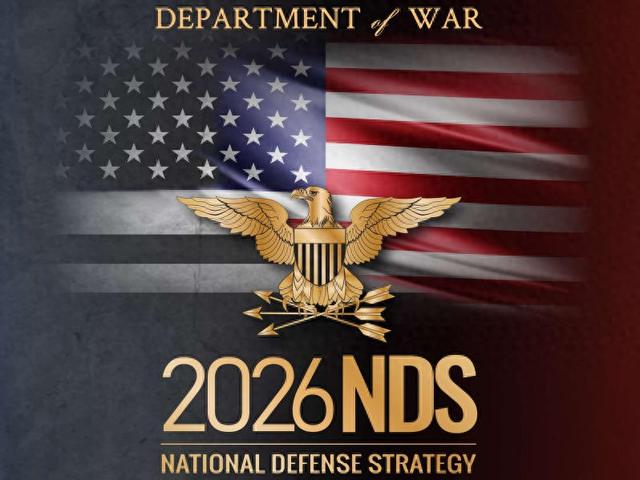
美国防部将国土防御列为首要任务
第一财经· 2026-01-24 04:16
Core Viewpoint - The U.S. Department of Defense has released a new National Defense Strategy (NDS), prioritizing homeland security and emphasizing the need for allies to take on more responsibilities while increasing investment in the defense industrial base [3]. Group 1: National Defense Strategy Highlights - The NDS identifies homeland security as the primary task of the Department of Defense, stating that the Western Hemisphere has been a "neglected" area in past efforts [3]. - The document refutes any inclination towards "isolationism" and calls for greater responsibility from U.S. allies [3]. - Key measures for "defending the homeland" include ensuring border security, combating drug terrorism, and protecting airspace [3]. Group 2: Context and Background - The NDS aligns with the U.S. National Security Strategy report released in December 2025, which outlines President Trump's "America First" foreign policy and focuses on core national interests [3]. - The strategy reflects a shift in U.S. global security priorities following Trump's return to the White House [3].
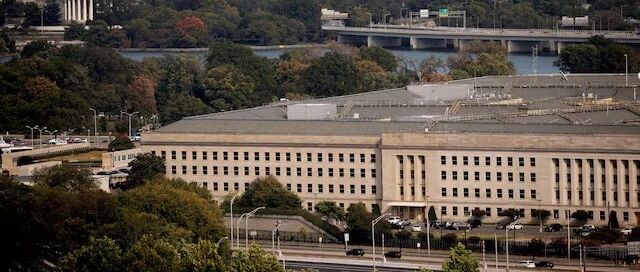
美国防部发布《国家防务战略》 将国土防御列为首要任务
Yang Shi Xin Wen· 2026-01-24 01:52
Core Viewpoint - The U.S. Department of Defense has released a new version of the National Defense Strategy, prioritizing homeland security and emphasizing the need for allies to take on more responsibilities while increasing investment in the defense industrial base [1]. Group 1: National Defense Strategy Highlights - The National Defense Strategy (NDS) outlines how the Department of Defense will follow the guidance of the new National Security Strategy report, which is considered a foundational document for the Department [1]. - The document states that the primary mission of the U.S. military is to defend the homeland, with a focus on protecting U.S. interests throughout the Western Hemisphere [1]. - Key measures for "defending the homeland" include ensuring border security, combating drug terrorism, and protecting airspace [1]. Group 2: Context and Background - The new National Security Strategy report was released by the White House in December 2025, detailing President Trump's "America First" foreign policy and focusing on core national interests [1]. - The strategy indicates a shift in U.S. global security priorities, reflecting a re-evaluation of previously neglected regions, particularly the Western Hemisphere [1].
美国为何盯上格陵兰岛?专家:看重资源和地缘位置
Xin Lang Cai Jing· 2026-01-07 12:05
Group 1 - The United States is attempting to gain control over Greenland, with intentions becoming more urgent ahead of the November midterm elections and July 4th Independence Day [1][2] - The U.S. has expressed willingness to use military force to secure Greenland, reflecting a strategic interest in the island's resources and geopolitical position [1] - Greenland is rich in mineral resources, including rare earth elements, which the U.S. fears competitors may exploit if not secured [1] Group 2 - Greenland's geographical location is crucial, situated at a key point in the Arctic and along air and sea routes between Eurasia and North America, enhancing U.S. missile warning capabilities [2] - Recent U.S. threats, particularly following military actions in Venezuela, indicate a militaristic approach to advancing strategic objectives in the Western Hemisphere [2] - The U.S. is testing the reactions of European allies, including Denmark, to exert pressure and align them with its strategic goals [2]
央视:美国打击行动是试探委内瑞拉反应美国顾忌国内民众对海外军事反应
Xin Lang Cai Jing· 2026-01-03 12:01
Core Viewpoint - The article discusses the recent military actions taken by the United States against Venezuela, highlighting the implications of these actions and the underlying motivations of the U.S. government [1] Group 1: U.S. Military Actions - On January 3, explosions were reported in Caracas, Venezuela, with U.S. officials confirming that President Trump ordered airstrikes against targets within Venezuela [1] - The Venezuelan government condemned these actions as "military aggression," indicating a significant escalation in U.S. pressure tactics [1] Group 2: U.S. Strategic Objectives - The U.S. has shifted from extreme pressure tactics to more aggressive military actions due to the lack of compliance from Venezuela, as President Maduro has refused to step down [1] - The U.S. aims to respond to domestic political agendas, particularly in relation to drug control, and to align with the Republican Party's objectives ahead of the midterm elections [1] Group 3: Domestic Implications - The U.S. government is closely monitoring public reaction to its military interventions abroad, as these actions may influence future policy decisions and strategic adjustments [1] - There appears to be a lack of significant opposition within the Republican Party regarding these military actions, suggesting a favorable environment for the administration to pursue its objectives [1]
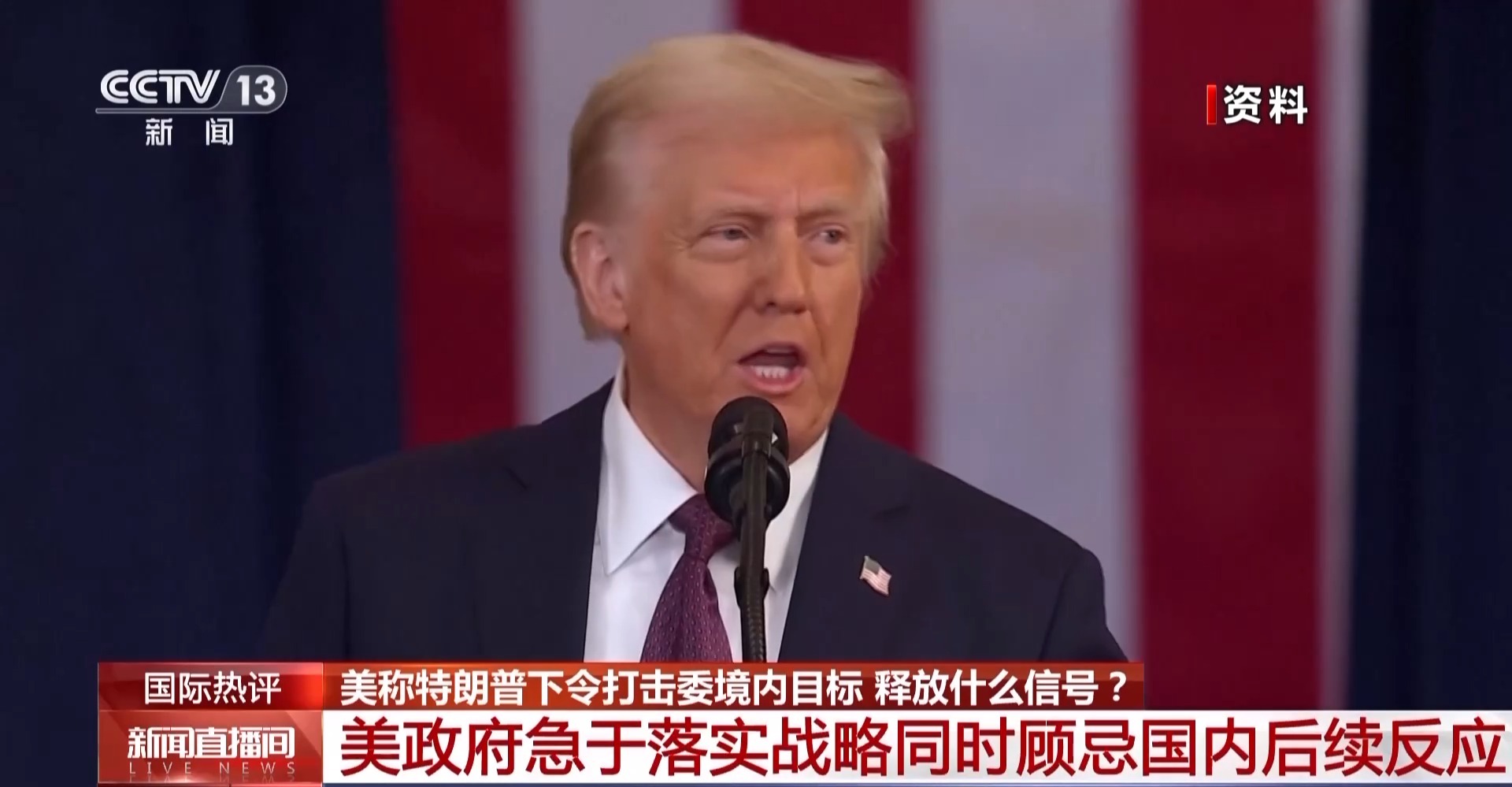
特朗普下令打击委境内目标 系极限施压未果转用极端手段试探
Xin Lang Cai Jing· 2026-01-03 10:58
Group 1 - The article discusses the recent military actions taken by the United States against Venezuela, indicating a shift from previous pressure tactics to more extreme measures, such as airstrikes ordered by President Trump [1][2] - Venezuela's government has condemned these actions as "military aggression," highlighting the ongoing tensions between the two nations and Venezuela's refusal to comply with U.S. demands [1][2] - The U.S. has been increasing its military presence around Venezuela since August of the previous year, indicating a strategy of economic strangulation through naval blockades, which has not led to the desired outcomes [1] Group 2 - President Maduro of Venezuela has rejected U.S. demands for his resignation and has signaled a willingness to negotiate on drug control issues, emphasizing the need for serious discussions rather than unilateral pressure from the U.S. [2] - The U.S. government's recent military actions are seen as a test of Venezuela's response, reflecting a strategy to push for change through pressure while also addressing domestic political agendas [2][4] - The U.S. is eager to implement its new national security strategy, which emphasizes the geopolitical importance of the Western Hemisphere, while also considering the potential domestic political repercussions of military interventions abroad [4]
新的细节证明,美国没打算放弃和中国打关税战!时间表早已定好
Sou Hu Cai Jing· 2025-12-26 07:42
Core Viewpoint - The upcoming U.S. midterm elections are putting pressure on the Republican Party, and Trump is leveraging tariffs on China as a political tool to regain support [1] Group 1: Tariff Strategy - Trump initiated a significant tariff campaign against China during his second term, aiming to force major concessions in trade rules and industrial policies [3] - At one point, tariffs on Chinese goods reached as high as 145%, leading to severe disruptions in global supply chains [3] - The Wall Street Journal predicted that the tariff war could mark the end of globalization's golden era [3] Group 2: Economic Impact - Unlike the first tariff war, the current situation has seen the U.S. Trade Representative's Office approving numerous tariff exemptions for Chinese goods after strong Chinese countermeasures [5] - Approximately 90% of the costs from U.S. tariffs on China have been passed on to American consumers and importers, resulting in a 13% increase in manufacturing procurement costs [5] Group 3: Strategic Shifts - The U.S. has released a new National Security Strategy that emphasizes careful resource management and a differentiated approach towards European allies [6] - Trump unexpectedly praised China, suggesting a potential thaw in relations, yet simultaneously announced a new tariff schedule targeting Chinese semiconductor products starting in June 2027 [6] - The rapid and precise response from China to U.S. tariff increases demonstrates its growing maturity in handling economic confrontations [6] Group 4: Political Context - As the midterm elections approach, Trump faces domestic challenges such as inflation and public dissatisfaction, prompting him to seek new strategies to bolster support [6] - The ongoing tariff issues with China are seen as a critical factor for Trump to regain political momentum [6]
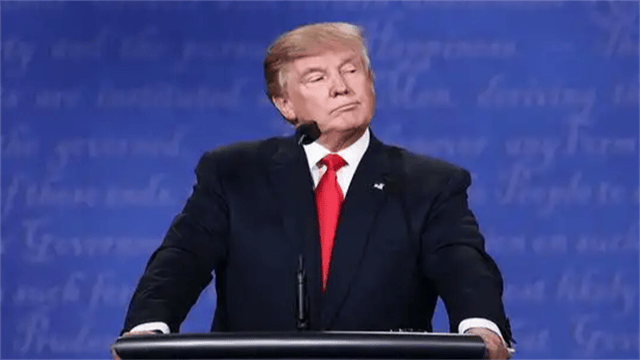
中国有事要求特朗普照办,关税战打完对美国底气十足
Sou Hu Cai Jing· 2025-12-21 03:33
Group 1 - The core viewpoint of the article highlights China's strong opposition to the U.S. National Defense Authorization Act for fiscal year 2026, which imposes restrictions on investments in high-risk technologies related to China and aims to reduce military procurement from Chinese entities [1][3][5] - The act specifically targets rare earth minerals, requiring the U.S. military to cease using Chinese resources, and includes provisions for Taiwan, such as a five-year strategy for multilateral defense in the Taiwan Strait and a budget of up to $1 billion for Taiwan's security needs [3][5] - China's Ministry of Foreign Affairs has expressed strong dissatisfaction with the act, stating it interferes with China's internal affairs and infringes on its sovereignty and development interests [5][7] Group 2 - China urges the U.S. to view its development and bilateral relations objectively, emphasizing the need to respect agreements made during the recent summit between the two nations and to avoid implementing negative clauses related to China in the act [7][9] - The article notes that President Trump signed the act quietly, indicating it may be a response from the Republican establishment against his administration, which includes provisions that contradict Trump's policies [9][11] - The voting results in Congress show significant bipartisan support for the act, with the Senate voting 77-20 and the House voting 312-112, indicating that even if Trump were to refuse to sign, Congress could still enforce it [11]
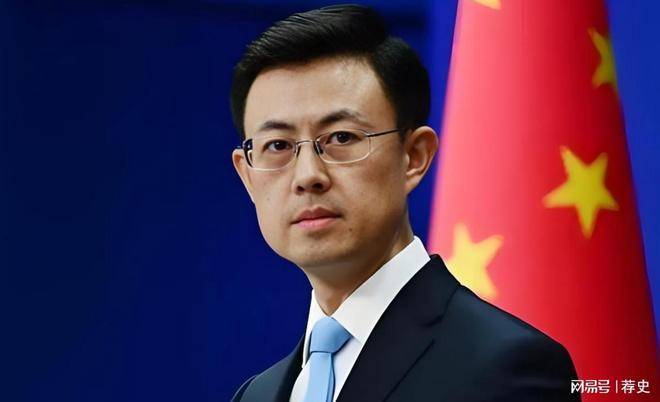
美国发布《国家安全战略》后,中国在为世界探索避免碎片化的道路
Xin Lang Cai Jing· 2025-12-19 09:12
Group 1 - The latest U.S. National Security Strategy (NSS) emphasizes economic security as a core component of national security, marking a significant shift in strategic focus towards economic competition and supply chain security [2][4] - The NSS outlines tools such as strategic tariffs and control over critical minerals and materials to reshape economic relations, particularly with China, integrating trade friction and industrial policy into the national security framework [2][3] - The NSS indicates a rebalancing of the U.S.-China economic relationship, prioritizing economic issues over traditional geopolitical confrontations, and highlights the importance of controlling maritime routes and supply chain nodes for economic stability [3][4] Group 2 - China's recent strategic decisions reflect a shift towards a resilient and secure high-quality open system, balancing development and security amid changing external environments [5][6] - The Chinese government emphasizes the importance of domestic demand and internal market strength, aiming to enhance national competitiveness and security through a dynamic balance of growth, structural adjustment, and risk prevention [6][7] - China's policy framework for 2026 focuses on enhancing domestic circulation and reducing reliance on external factors, while maintaining a commitment to openness and international cooperation [7][8] Group 3 - China aims to upgrade its industrial structure and trade models, focusing on technology-intensive and high-value-added sectors, while promoting digital and green trade as part of its long-term competitive strategy [8][9] - The strategy includes diversifying international markets and supply chains to mitigate external risks, thereby reducing sensitivity to single markets and enhancing stability [9][10] - China plans to strengthen its risk prevention and self-sufficiency capabilities in critical technology and resources, ensuring a robust foundation for high-level openness and economic resilience [10]