
美国对委内瑞拉施压

Search documents
爆料:美方拟“强行登船”
中国能源报· 2025-12-27 12:04
Core Viewpoint - The article discusses the ongoing efforts by the U.S. to intercept the oil tanker "Bella 1" near Venezuela, highlighting a significant escalation in U.S. pressure on Venezuelan President Maduro [3][5]. Group 1: U.S. Actions - The U.S. is reportedly considering deploying a specialized maritime response team to forcibly board the "Bella 1" oil tanker, which has been evading interception [3]. - Despite tracking the "Bella 1," the U.S. is not in a hurry to take boarding action as the tanker is currently empty and moving away from Venezuelan waters [5]. - The "Bella 1," flagged under Panama and under U.S. sanctions, was intercepted by the U.S. Coast Guard on January 21 while en route to Venezuela for cargo loading [5]. Group 2: Venezuelan Response - Venezuelan President Maduro has condemned the U.S. actions as "piratical acts," indicating a strong political response to the U.S. interventions [5].

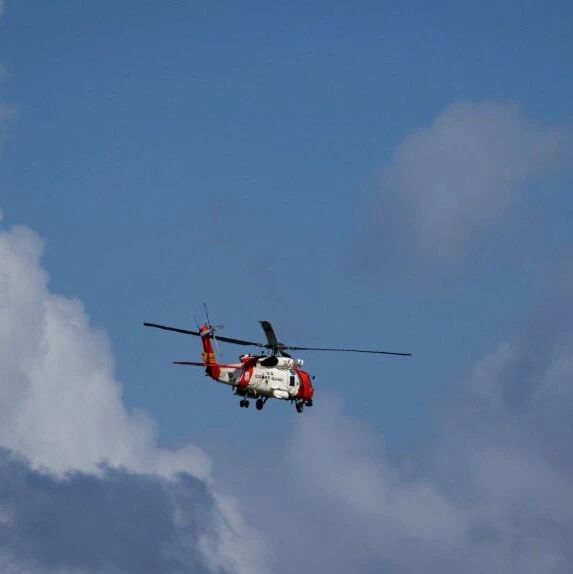
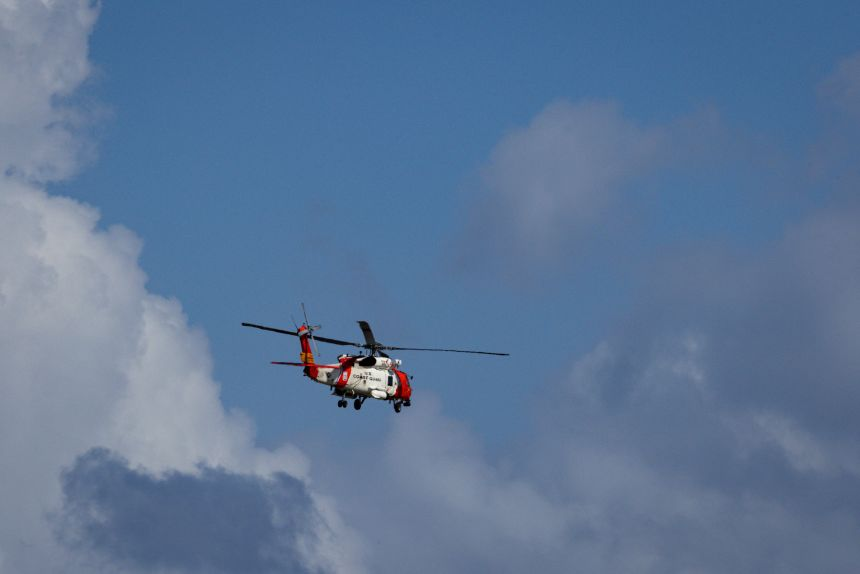
行动持续五天!美方被爆仍在追截第三艘油轮,并拟增派力量“强行登船”
Huan Qiu Wang· 2025-12-27 04:47
Core Viewpoint - The U.S. government is considering increasing its naval presence near Venezuela to intercept the "Bella 1" oil tanker, which has been evading capture and is currently empty [1][3]. Group 1: U.S. Actions - The U.S. Coast Guard attempted to intercept the "Bella 1" on September 21, but the vessel refused to stop and instead headed into the Atlantic Ocean [3]. - The U.S. is contemplating deploying a specialized maritime response team to enforce boarding actions against non-compliant vessels [1]. Group 2: Context and Implications - The "Bella 1" is flagged under Panama and is subject to U.S. sanctions, marking it as the third tanker intercepted by the U.S. in the vicinity of Venezuela recently [3]. - The series of interceptions and seizures of oil tankers represents a significant escalation in U.S. pressure on Venezuelan President Maduro, who has condemned these actions as "piratical" [3].
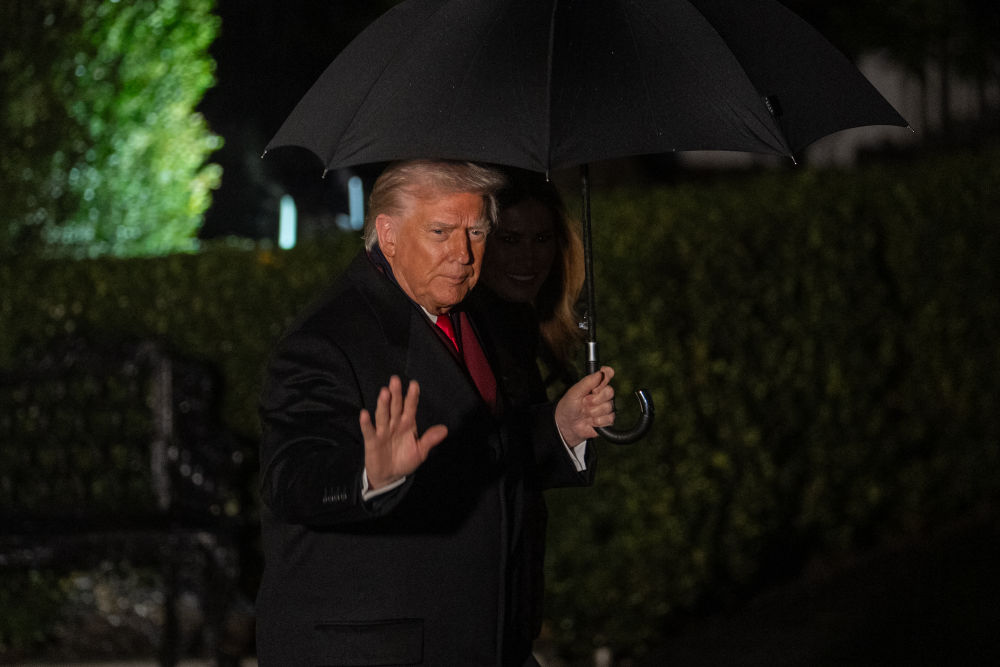
特朗普谈“下台”再施压 马杜罗:请管好自己
Xin Hua She· 2025-12-23 08:06
Core Viewpoint - The ongoing pressure from the U.S. on Venezuela, particularly from President Trump, raises speculation about potential military action against the Maduro government, while Maduro counters by urging Trump to focus on domestic issues [1][3]. Group 1: U.S. Actions and Statements - President Trump indicated that the U.S. pressure on Maduro could lead to his downfall, stating, "It depends on what he wants to do" [3]. - Trump has previously threatened military action if Maduro does not step down, suggesting that the U.S. may consider various measures, including force [3]. - The U.S. has intercepted oil tankers near Venezuela, with Trump mentioning that intercepted oil could be sold or used to bolster U.S. strategic reserves [3]. Group 2: Venezuela's Response - Maduro criticized Trump for focusing on Venezuela rather than addressing key issues in the U.S., expressing a willingness to engage in dialogue based on mutual respect [3]. - The Venezuelan government has accused the U.S. of attempting to instigate a regime change and has condemned the interception of oil tankers as acts of piracy [5]. - Maduro sent an open letter to leaders in Latin America and the Caribbean, denouncing the U.S. use of energy as a weapon for political coercion and calling for a united response [5]. Group 3: Military and Diplomatic Developments - The U.S. has deployed significant military resources in the Caribbean under the pretext of combating "drug terrorism," resulting in the sinking of approximately 30 vessels labeled as "drug boats" [5]. - Following the escalation of tensions, Trump ordered a comprehensive blockade of all sanctioned oil tankers entering or leaving Venezuela [5]. - Reports indicate that Russian diplomatic personnel families have begun to evacuate from Venezuela, suggesting a potential shift in diplomatic relations [5][6].
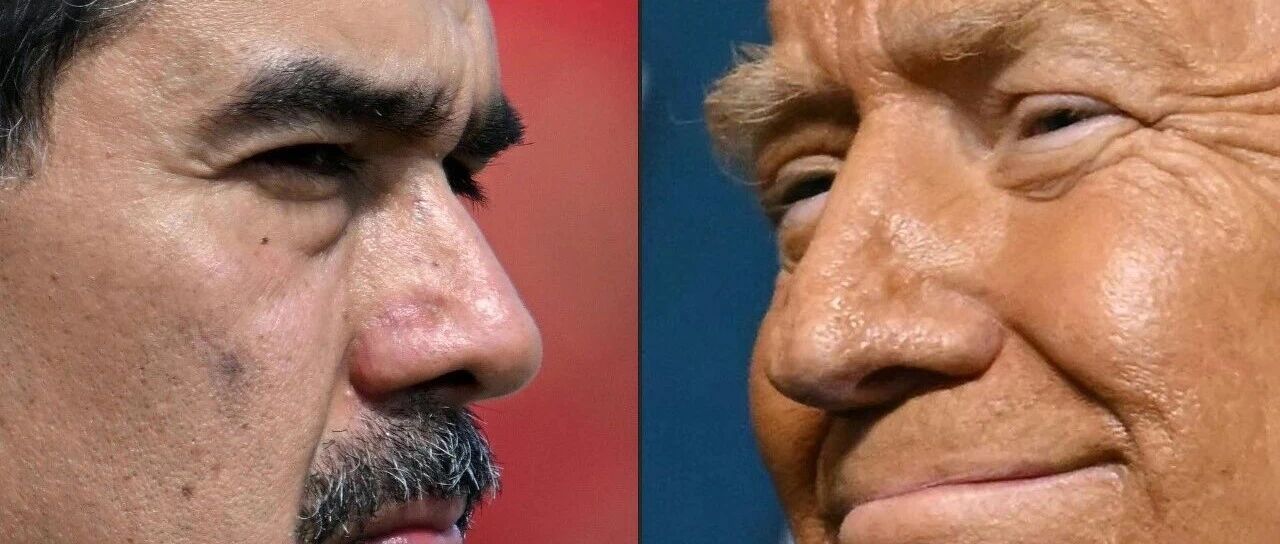
普京声援委内瑞拉
中国能源报· 2025-12-12 05:33
Group 1 - The core viewpoint of the article highlights the ongoing geopolitical tensions between the U.S. and Venezuela, with Russia expressing support for Venezuela amidst new U.S. sanctions and military pressure [1][5]. - Russian President Putin and Venezuelan President Maduro confirmed their willingness to advance cooperation in various fields, including economy, energy, finance, and culture [1]. - The U.S. Treasury announced new sanctions against Venezuela aimed at preventing sanctioned individuals from accessing U.S. assets and prohibiting U.S. entities from engaging in business with them [5]. Group 2 - The article reports that U.S. military aircraft, including F-18 jets, have approached Venezuelan airspace, marking a significant escalation in military pressure since the Trump administration's actions began [2]. - On December 9, in addition to F-18s, the U.S. deployed an EA-18G Growler electronic warfare aircraft and an MQ-4C unmanned reconnaissance drone [3]. - Russia is closely monitoring the situation in Venezuela due to the increasing military pressure from the U.S. [5].

特朗普要求马杜罗下台
财联社· 2025-11-30 10:25
Core Viewpoint - The article discusses the escalating tensions between the United States and Venezuela, highlighting a recent threatening phone call from President Trump to President Maduro, where military action was mentioned as a potential response if Maduro does not step down [1] Group 1: U.S.-Venezuela Relations - President Trump threatened military action against Venezuela if President Maduro does not voluntarily resign [1] - The conversation between Trump and Maduro included discussions about a possible meeting in the U.S., but both governments declined to comment on the report [1] - The U.S. has deployed several warships in the Caribbean Sea near Venezuela under the pretext of "anti-drug" operations, increasing pressure on the Venezuelan government [1] Group 2: Venezuelan Response - Venezuelan Vice President Rodriguez stated that the country has initiated all multilateral mechanisms under international law to respond to the "U.S. blockade of airspace" [1] - Trump declared that the airspace over and around Venezuela is "considered fully closed" [1]
【环球财经】委内瑞拉启动所有多边机制应对“美国封锁空域”
Xin Hua She· 2025-11-30 06:48
Core Viewpoint - Venezuela has initiated all multilateral mechanisms under international law to respond to the "U.S. blockade of airspace" as stated by Vice President Rodriguez [1] Group 1: Government Actions - President Maduro has ordered the launch of a special plan to ensure that Venezuelan citizens affected by the suspension of operations by several airlines can travel in and out smoothly [1] - The Venezuelan government officially revoked the operating licenses of six foreign airlines, citing their cooperation with U.S. actions and unilateral suspension of routes [1] Group 2: U.S. Actions - The U.S. Federal Aviation Administration issued warnings to several major airlines, indicating that any civil aircraft flying over Venezuelan airspace would face dangerous conditions due to the "deteriorating security situation" and increased military activity in and around Venezuela [1] - President Trump stated that the airspace over Venezuela and its surroundings is considered "fully closed" [1] - The U.S. has deployed several warships in the Caribbean Sea near Venezuela under the pretext of "anti-drug" operations, applying pressure on the Venezuelan government [1]
特朗普称应关闭委内瑞拉领空
Zhong Guo Xin Wen Wang· 2025-11-30 03:49
Core Viewpoint - The article reports on President Trump's directive to airlines and pilots to avoid Venezuelan airspace, indicating an escalation in pressure from the U.S. government on Venezuela [1]. Group 1: U.S. Government Actions - President Trump issued a directive on social media stating that Venezuelan airspace should be considered "completely closed" [1]. - This directive represents an increase in the U.S. government's efforts to exert pressure on Venezuela [1]. Group 2: Reactions from Venezuela - The Venezuelan Foreign Minister condemned Trump's directive, labeling it a "colonial threat" and an act of "arbitrary, illegal, and unreasonable aggression" against the Venezuelan people [1]. Group 3: Aviation Industry Implications - The U.S. Federal Aviation Administration (FAA) has warned airlines about potential dangers of flying over Venezuelan airspace and advised caution [1]. - Since 2019, U.S. passenger and cargo airlines have suspended direct flights to Venezuela, although some still fly over its airspace to reach other South American destinations [1].
特朗普,突然威胁!
中国基金报· 2025-11-29 16:07
Core Viewpoint - The article discusses President Trump's recent threats to close the airspace over Venezuela and surrounding areas, indicating a potential escalation in U.S. military actions against the Maduro government, particularly concerning drug trafficking activities [1][2]. Group 1: U.S. Military Actions - The U.S. military has been focusing on anti-drug operations in the Caribbean and Pacific, with at least 21 strikes against suspected drug trafficking vessels since September, resulting in at least 83 deaths [6]. - Trump has hinted at possible ground operations in Venezuela to combat drug trafficking, although no specific plans or timelines have been disclosed [7]. - The U.S. has significantly increased its military presence in the region, including deploying aircraft carriers and several warships, while also conducting meetings between U.S. military officials and Caribbean leaders [7]. Group 2: Airline Operations and Warnings - Following warnings from the U.S. Federal Aviation Administration (FAA) about the escalating tensions, major airlines have begun canceling flights to and from Venezuela [2]. - The FAA's alert came after Trump’s announcement regarding the airspace closure, which has led to the revocation of operating licenses for six major international airlines that had suspended flights to Venezuela [2]. Group 3: Political Context - The Trump administration has accused Maduro of involvement in drug trafficking, a claim that Maduro has denied [3]. - Since taking office in 2013, Maduro has claimed that Trump is attempting to oust him, asserting that the Venezuelan people and military will resist such efforts [4].
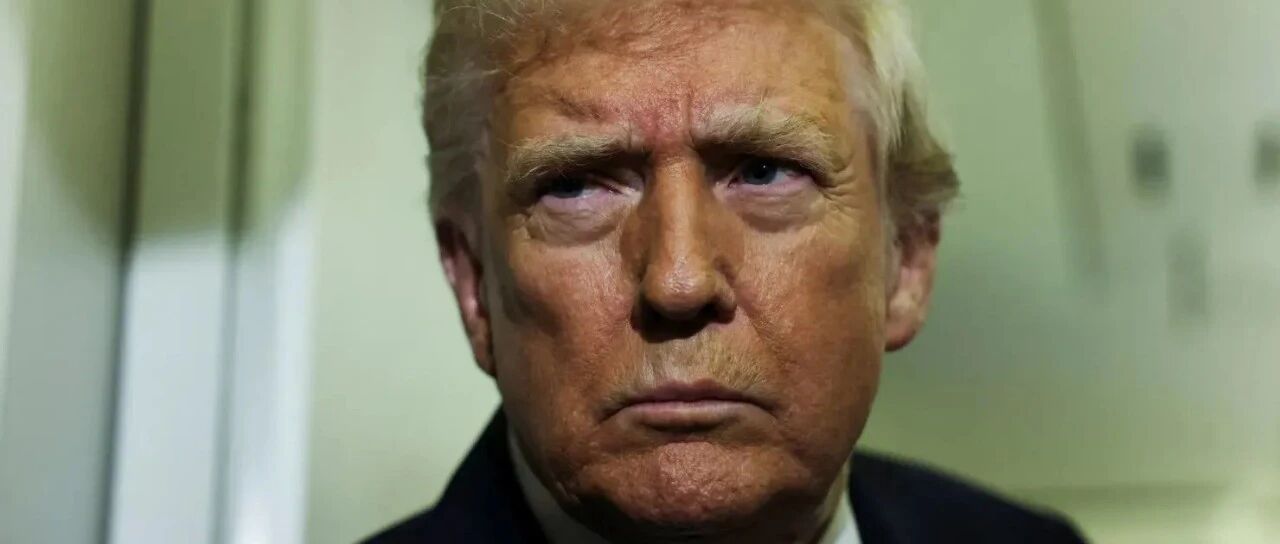
佩特罗:毒品只是特朗普对委内瑞拉施压的“幌子”,石油是核心
Xin Lang Cai Jing· 2025-11-26 07:27
Core Viewpoint - The Colombian President suggests that the U.S. pressure on Venezuela by the Trump administration is more about acquiring oil than combating drug trafficking, emphasizing that oil is the core issue [1] Group 1: U.S. Military Activity - U.S. military activities in the Caribbean and Pacific regions are escalating [1] Group 2: Venezuelan Oil Reserves - Venezuela is believed to possess the largest oil reserves in the world [1] Group 3: Drug Trafficking Perspective - Venezuela is not considered a major drug-producing country, with only a small portion of the global drug trade passing through it [1]
美国中情局是否有权击杀马杜罗?特朗普拒绝回答
Xin Jing Bao· 2025-10-16 09:37
Core Viewpoint - The article highlights that President Trump has authorized the CIA to conduct covert operations in Venezuela, citing the influx of drugs from Venezuela into the United States as the primary reason for this decision [1]. Group 1: U.S. Government Actions - Trump confirmed the authorization of secret operations by the CIA in Venezuela [1] - The U.S. strategy aims to undermine President Maduro's government [1] - Trump refrained from commenting on whether the CIA has the authority to carry out an assassination of Maduro, indicating that Venezuela is feeling pressure [1]