美妆行业洗牌

Search documents
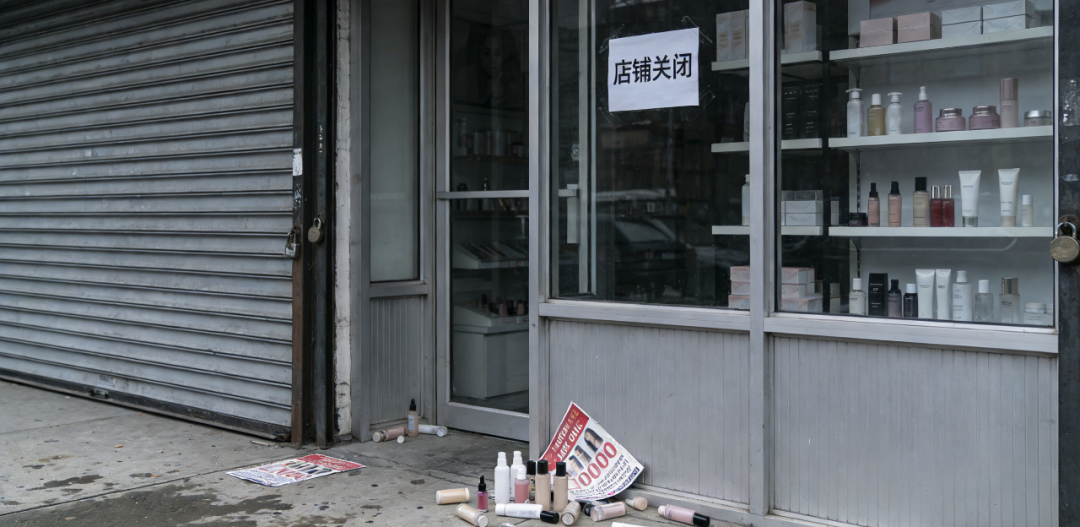
卷不动了,又一TOP卖家清仓闭店
Xin Lang Cai Jing· 2026-01-26 11:10
Core Viewpoint - The closure of the Taobao store "Dai Gua Xiao Huo Ban," a personal beauty agent shop with 450,000 followers, highlights the increasing challenges faced by e-commerce businesses in the beauty industry due to intensified competition, regulatory pressures, and rapid changes in e-commerce strategies [2][3][14]. Group 1: Store Performance and Closure - "Dai Gua Xiao Huo Ban" announced it will completely delist all products by the end of February, with remaining inventory being cleared at a 30% discount [2][26]. - The store has a diverse product range, including popular domestic beauty items, with prices mostly between tens to hundreds of yuan, targeting a budget-conscious consumer base [4][28]. - Despite being a top performer with 458,000 followers and over 300,000 annual sales, the store's overall rating is only 4.5, lagging behind 88% of its peers, primarily due to low logistics speed [8][32][34]. Group 2: Industry Challenges - The beauty e-commerce sector is experiencing a wave of store closures, with many previously successful shops shutting down due to economic and psychological pressures [14][38]. - The operational environment for e-commerce is becoming increasingly difficult, with many merchants forced to sell products at cost price to attract customers, leading to unsustainable revenue [16][40]. - Issues such as high return rates and strict consumer protection policies are exacerbating the challenges for small beauty shops, making it hard to maintain profitability [17][41]. Group 3: Market Dynamics and Future Outlook - Despite the closures, the overall potential for the Chinese cosmetics market remains strong, with projections indicating a market size exceeding 170 billion yuan by 2028, maintaining a compound annual growth rate of over 8% [20][44]. - The market is witnessing a polarization, with large brands like Proya and Han Shu continuing to grow, while smaller players struggle unless they find a unique positioning [21][45]. - Strategies for survival in the current market include focusing on product quality, offering tailored solutions, and targeting niche markets to build a loyal customer base [22][46].


今年超50个美妆品牌成“弃子”
3 6 Ke· 2025-12-10 00:24
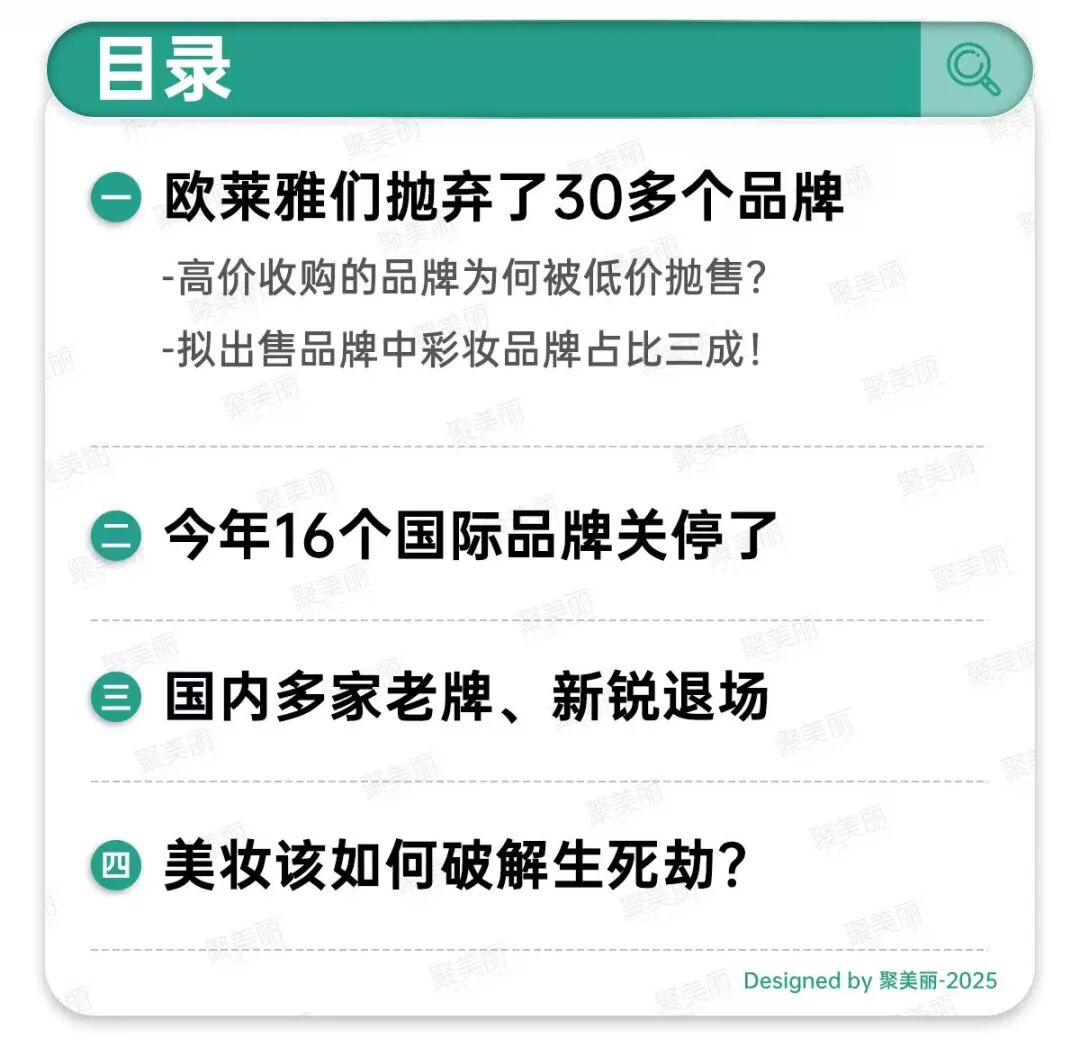
Core Insights - The cosmetics industry is experiencing a significant downturn, with many brands being sold or shut down rather than achieving sales success during promotional events [1][22] - Over 50 beauty brands have been categorized as "abandoned" this year, with notable examples including L'Oréal, Estée Lauder, and Unilever [1][5] - The trend indicates a shift from large-scale brand coverage to a focus on optimizing brand portfolios among international beauty giants [8][13] Brand Sales and Closures - International beauty giants have sold over 30 brands this year, including Unilever's sale of the high-end skincare brand CeraVe and Kering's sale of its beauty division to L'Oréal for €4 billion (approximately ¥331.96 billion) [3][5] - The majority of these "abandoned" brands were acquired at high valuations between 2014 and 2020, with some, like Avon, being sold for $3.7 billion (approximately ¥263.45 billion) after struggling to perform [6][7] - In 2025 alone, 16 international brands have been shut down due to operational difficulties and strategic misalignment, with L'Oréal closing three brands [14][18] Reasons for Brand Abandonment - The primary reasons for brand sales include the need for international beauty companies to streamline operations and focus on profitable segments, as seen with Unilever's efforts to make CeraVe profitable [7][18] - Many brands are facing challenges such as declining performance, increased marketing costs, and the inability to adapt to market demands, leading to closures [21][27] - The trend of brand closures is not limited to international brands; domestic brands are also facing similar pressures, with eight brands shutting down in 2025 due to strategic adjustments and profit pressures [23][26] Market Trends and Future Outlook - The industry is witnessing a shift towards strategic restructuring and value rediscovery rather than mere expansion, indicating a potential ongoing consolidation phase [13][32] - The focus is now on leveraging technology and innovation to create competitive advantages, with companies encouraged to find niche markets and enhance product offerings [31][32] - The ongoing challenges suggest that the beauty industry will continue to experience a wave of brand eliminations, with survival dependent on strategic adaptability and resource management [22][32]