美菲关系

Search documents
关税休战提前结束?美国批准百亿对台军售,中方发出反制信号
Sou Hu Cai Jing· 2025-12-22 08:45
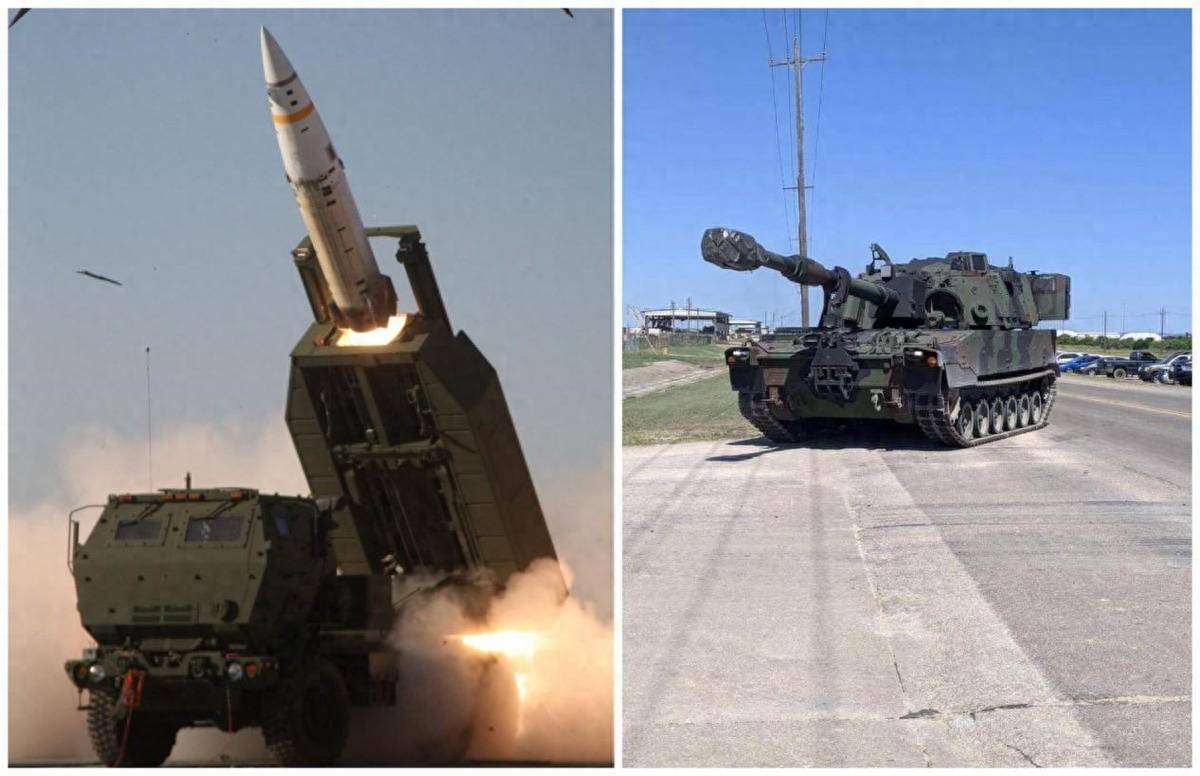
Group 1 - The core point of the news is that Trump's approval of a $11 billion arms sale to Taiwan, including advanced weaponry, may escalate tensions in US-China relations, potentially ending the current "truce" in the trade war [1] - The US Congress has approved a $3.5 billion loan aid package to the Philippines, which includes $1 billion in interest-free loans and $2.5 billion in military assistance, aimed at strengthening defense support against perceived threats from China [3] - The arms sale to Taiwan is expected to benefit US arms manufacturers and could lead to a rise in stock market indices, while the aid to the Philippines is viewed as a less beneficial move, as it may not significantly alter the geopolitical dynamics in the South China Sea [5] Group 2 - Trump's actions, including the arms sale to Taiwan and military aid to the Philippines, may serve to divert China's attention from Japan, a key US ally, amidst rising tensions in the region [7] - Japan's government is facing internal challenges, including public discontent over tax increases to fund military spending, which may undermine the effectiveness of US support in alleviating Japan's pressures from China [8] - The political landscape in the Philippines is uncertain, with concerns that the country could become embroiled in a conflict similar to Ukraine, raising questions about the actual implementation of the military aid approved by Congress [5][8]

人刚到美国,马科斯就接到噩耗,特朗普不愿插手,反华白干了
Sou Hu Cai Jing· 2025-07-23 14:12
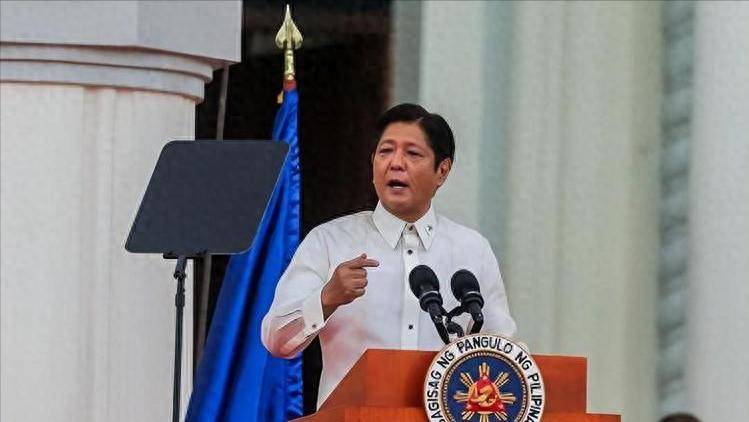
Group 1 - The core objective of President Marcos's visit to Washington was to persuade President Trump to abandon the planned 20% tariffs on Philippine goods and to strengthen the US-Philippines military alliance against China [1][3] - The Trump administration unexpectedly announced a 20% punitive tariff on Philippine exports to the US, increasing from the previously announced 17%, which significantly impacts the Philippines' trade surplus of $4.9 billion out of a total trade volume of $23.5 billion in 2024 [1][3] - Experts noted that the Trump administration has decoupled trade from security issues, prioritizing trade concerns over geopolitical alliances, which puts the Philippines at a disadvantage compared to other countries like Vietnam and Indonesia that have negotiated lower tariffs [3][10] Group 2 - During his visit, Marcos met with key US officials who reassured him about the strength of the US-Philippines alliance, but the US side refused to link security cooperation with tariff reductions, indicating a lack of flexibility in negotiations [6][10] - The Philippines' aggressive stance in the South China Sea, including confrontational actions against Chinese vessels, was seen as an attempt to solidify its position as a strategic ally of the US, yet it did not yield the expected economic concessions from the US [8][13] - The Philippines' reliance on the US for security while facing economic penalties highlights a strategic miscalculation, as the US has historically shown limited commitment to defense agreements with non-NATO allies [11][13]