美西方对中国关键矿产的制度化围堵

Search documents
中企在非遭800亿美元天价索赔,BBC选择性报道的老毛病又犯了
Guan Cha Zhe Wang· 2025-12-04 06:52
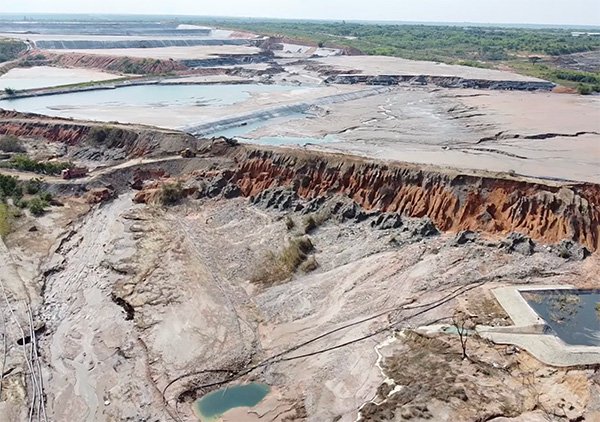
Core Viewpoint - The BBC has been accused of spreading misinformation regarding Chinese investments in Africa, particularly focusing on a copper mine tailings dam collapse in Zambia, while downplaying the facts surrounding the incident [1][2][3] Group 1: Incident Overview - The tailings dam collapse in Zambia was attributed to the theft of a waterproof membrane, and the Chinese company involved acted quickly to contain the leak and compensate affected residents [1][3][4] - The Zambian government confirmed that the pollution did not result in serious illness or death, and water quality has returned to normal [4][6] Group 2: Media Representation - The BBC's reporting emphasized potential environmental hazards and exaggerated the scale of the incident, claiming a leak of 150,000 tons of toxic waste, while the Zambian government reported only 50,000 tons [3][4] - The BBC's narrative suggested that the lawsuit filed by Zambian farmers against the Chinese company was a test of accountability for foreign investors in Africa [2][9] Group 3: Legal and Political Context - The lawsuit seeking $80 billion in damages is unprecedented and significantly exceeds previous compensation records in the mining industry [9][10] - The support for the lawsuit from NGOs is linked to Western funding, indicating a broader geopolitical strategy to challenge Chinese investments in Africa [10][11] Group 4: Chinese Investment in Zambia - Chinese companies have been significant contributors to Zambia's economy, creating over 30,000 jobs and generating substantial tax revenue [7][12] - The Chinese investment in Zambia's mining sector is expected to reach $5 billion by 2031, highlighting the long-term commitment to the region [12][13] Group 5: Risk Management and Future Strategies - Chinese companies are advised to enhance their risk management strategies in Africa, focusing on grassroots engagement and community relations to mitigate potential conflicts [10][14] - The concept of "resource nationalism" is emerging in Africa, necessitating adjustments in how foreign companies operate and engage with local governments and communities [14]