老龄少子化

Search documents
蔡昉:养老保障的主要挑战不在资金缺口,而需共享生产率成果
第一财经· 2026-03-23 12:31
Core Viewpoint - The article emphasizes the need for comprehensive policy measures to enhance the willingness of suitable women to have children and to improve the welfare of the elderly through productivity sharing [3][4]. Group 1: Policy Recommendations - It is suggested that reducing the costs of childbirth, upbringing, and education should not focus solely on controlling service prices but rather include these services in the basic public health service list, with the government bearing the main expenditure responsibility [3][4]. - The main challenge in pension security is not a funding gap but rather how to enhance labor productivity and empower the elderly population with this potential growth [3][4]. Group 2: Investment in Human Capital - The article highlights that while China has been increasing its investment in human capital, the labor productivity growth has transitioned from a rapid increase during the demographic dividend phase to an adjustment phase [3][5]. - The reasons for maintaining a close integration of "investment in material" and "investment in people" during the 14th Five-Year Plan include the need for high-quality public goods, addressing shortcomings in welfare related to aging, declining capital returns, and the shift in economic growth constraints towards household consumption [5]. Group 3: Education Resource Allocation - The article points out the "peak-shaving" trend in the age structure of the population, suggesting a need to seize the resource reallocation "window" to promote unified resource allocation across different educational stages [5][6]. - It is noted that the number of children entering kindergartens is decreasing, while the number of students in primary, middle, and high schools is still growing, indicating a need for better integration of educational resources managed by different departments [5][6]. Group 4: Future Outlook - The article advocates for all migrant workers' children to be enrolled in public schools, early childhood development to be included in basic public services, and preschool education to be part of compulsory education, promoting an integrated approach to lifelong learning [6].


每年砸5万亿!国家新战略曝光,这些城市居民身价要涨?
Sou Hu Cai Jing· 2025-07-16 16:04
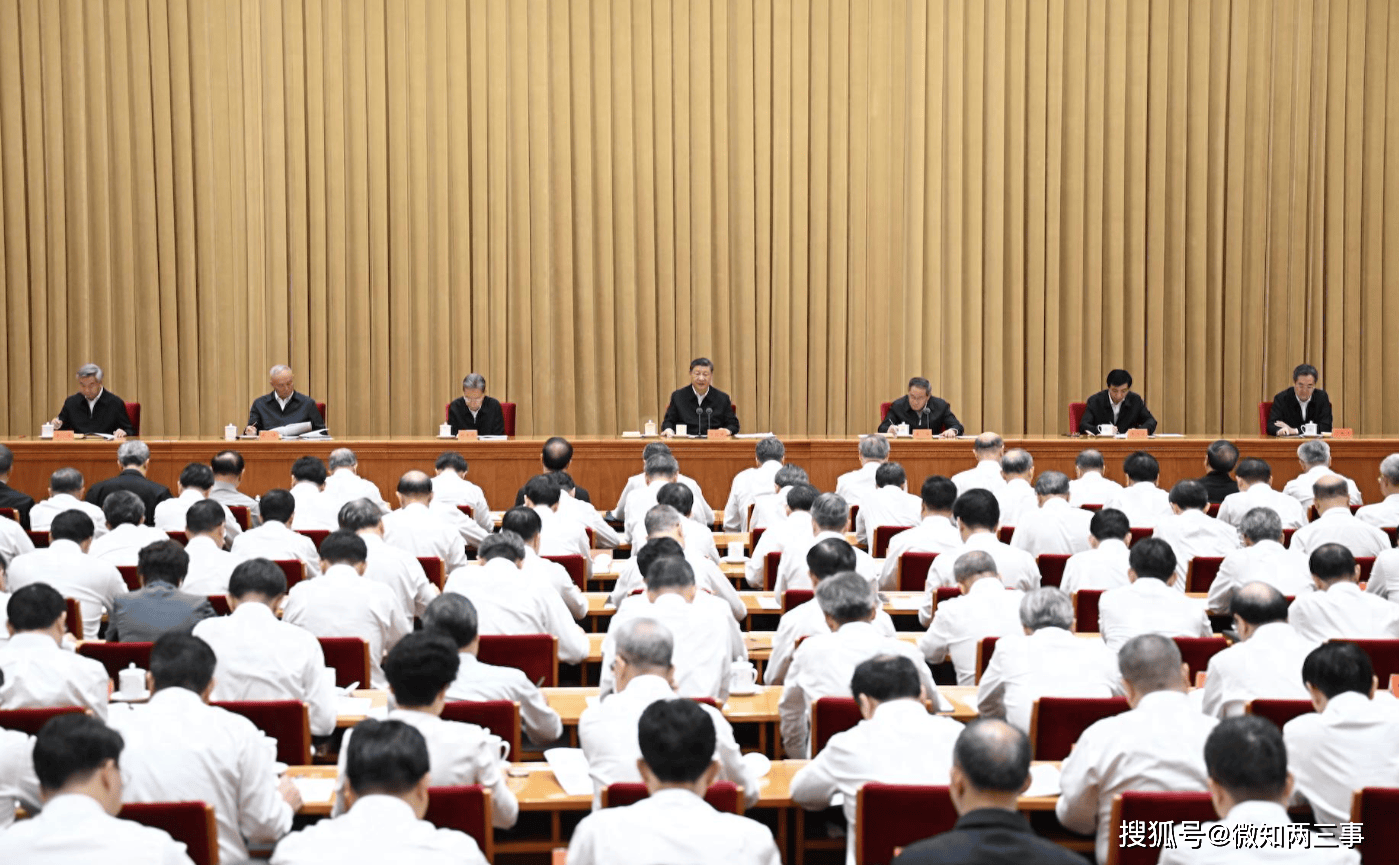
Core Viewpoint - The recent meeting in Beijing emphasized "urban renewal" as a crucial strategy for future urban development in China, marking a shift from expansion to quality improvement in urban living conditions [2][3]. Urban Development Strategy - The meeting outlined seven key principles for urban development: modernization, innovation, comfort, green and low-carbon initiatives, safety, civility, and efficiency, all aimed at improving the quality of life for urban residents [4]. - The urbanization rate in China reached 67% in 2024, up from 54.77% in 2014, indicating a saturation point in urban expansion and a transition towards urban renewal [3]. Financial Implications - The estimated annual investment for urban renewal from both central and local governments exceeds 5 trillion yuan, with projections for the market to reach 8.6 trillion yuan by 2025 and potentially 10 trillion yuan by 2030 [4]. - The new urban renewal policies aim to stimulate the market by involving private sector investment and community participation, moving away from solely government-funded initiatives [5]. Policy Changes - The recent policy shift emphasizes "retain what can be kept, modify what must be modified, and only demolish as a last resort," contrasting with previous large-scale demolition and reconstruction practices [5]. - The focus on urban renewal includes plans for the transformation of urban villages, with a target of 1 million units to help clear unsold inventory of residential properties [5]. Challenges and Solutions - The meeting acknowledged ongoing issues such as urban-rural integration, population outflow from smaller cities, and the need for balanced development between new construction and the renovation of existing structures [6][7]. - Proposed solutions include optimizing urban systems, enhancing public services, and addressing demographic challenges such as aging populations and the needs of migrant workers [9][10]. Economic Impact - Urban areas, which occupy only 0.64% of China's land, contribute approximately 60% of the national GDP, highlighting the importance of effective urban management and innovation [8]. - The meeting stressed the need for cities to serve as key hubs in both domestic and international economic cycles, fostering innovation and avoiding detrimental competition among cities [8].