考古新成果

Search documents
“2025年中国考古新成果”来了 它们缘何入选?
Ren Min Ri Bao Hai Wai Ban· 2026-02-09 03:19
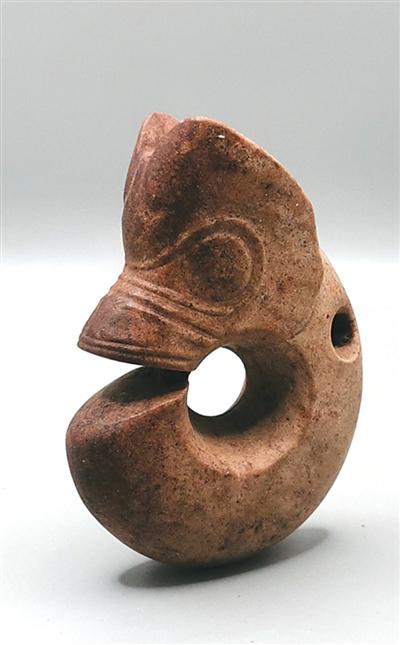
Core Insights - The article discusses the recent announcement by the Chinese Academy of Social Sciences regarding the "2025 New Archaeological Achievements in China," highlighting six significant archaeological sites that have reshaped historical understanding and illustrated the continuity of civilization [6]. Group 1: New Archaeological Findings - The six selected archaeological projects include sites from various historical periods, such as the Paleolithic, Neolithic, Bronze Age, and the Warring States to Han periods, showcasing a diverse range of cultural developments [6]. - The findings from these sites not only provide new insights into human evolution and cultural transitions but also emphasize the innovative capabilities of ancient populations in East Asia [8][9][11][12][14][16][18]. Group 2: Specific Site Highlights - The Xinjing Hushita Bronze Age site is identified as a large settlement from the late Bronze Age, covering over 12 square kilometers, with a core area featuring complex structures and a significant burial site [14][15]. - The Zhengjiagou site in Hebei extends the timeline of the Hongshan culture, revealing burial practices and artifacts that suggest a rich cultural life and social organization [11][12]. - The Ba Dam East tomb group in Turpan provides evidence of the prosperity of Silk Road trade during the Tang dynasty, with a variety of artifacts reflecting cultural exchanges between different civilizations [18][19].

二〇二五年中国考古新成果揭晓(推进文化自信自强) 河北阳原县新庙庄旧石器时代遗址等六个项目入选
Ren Min Ri Bao· 2026-02-04 22:10
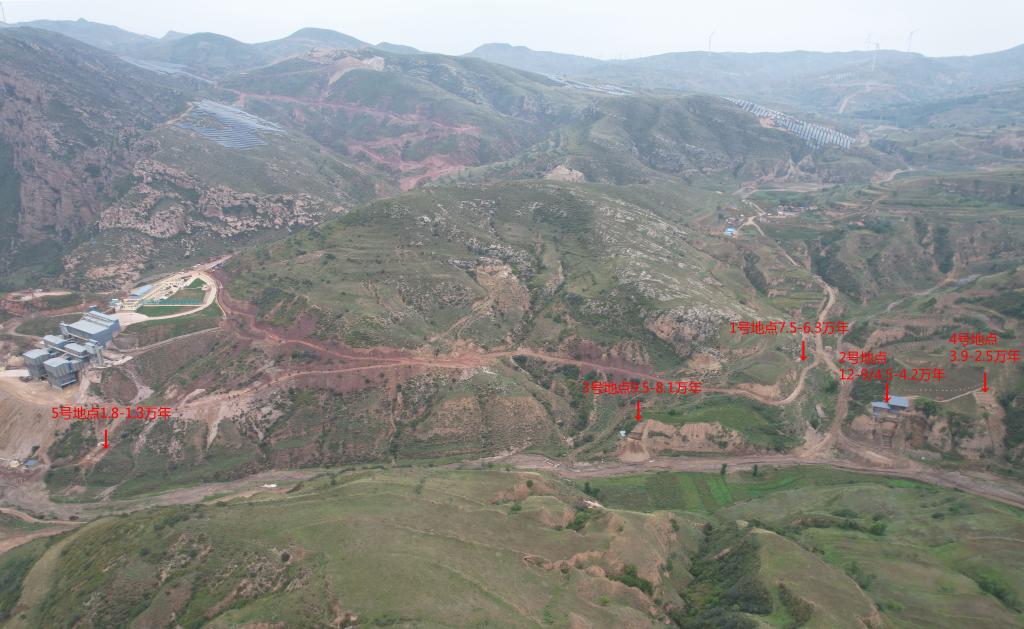
Core Insights - The "2025 China Archaeological New Achievements" results were announced, highlighting six selected projects and ten significant research findings that refresh understanding of ancient cultures in China [1] Group 1: Selected Projects - Six archaeological sites were recognized: Xinmiao Village Paleolithic site in Hebei, Peiligang site in Henan, Zhengjiagou Hongshan culture site in Hebei, Husta Bronze Age site in Xinjiang, Langyatai site from the Warring States to Qin and Han periods in Shandong, and Badamu Eastern Jin and Tang tombs in Turpan, Xinjiang [1] - The selected projects demonstrate outstanding academic value and contribute to a deeper understanding of various historical periods and cultures [1] Group 2: Significant Research Findings - The Xinmiao Village site revealed artifacts spanning from 120,000 to 13,000 years ago, including a unique set of Mousterian tools, indicating possible Neanderthal influence in central China [2] - The Peiligang site provided evidence of early rice fermentation technology for brewing, marking it as the earliest known practice of brewing with pottery in the region [3] - The Zhengjiagou site showed strong genetic links between its inhabitants and the Hongshan culture, extending the cultural timeline and geographic range of the Hongshan people [4] - The Langyatai site confirmed the existence of high-status architectural complexes, supporting historical records of Qin Shi Huang's activities and contributing to the understanding of Qin and Han architectural styles [5] - The Badamu tombs included significant finds from the Tang dynasty, showcasing burial customs and artifacts that reflect the cultural integration of various ethnic groups in the region [5]
文化新观察丨它们何以入选“2025年中国考古新成果”?
Xin Hua She· 2026-02-04 20:37
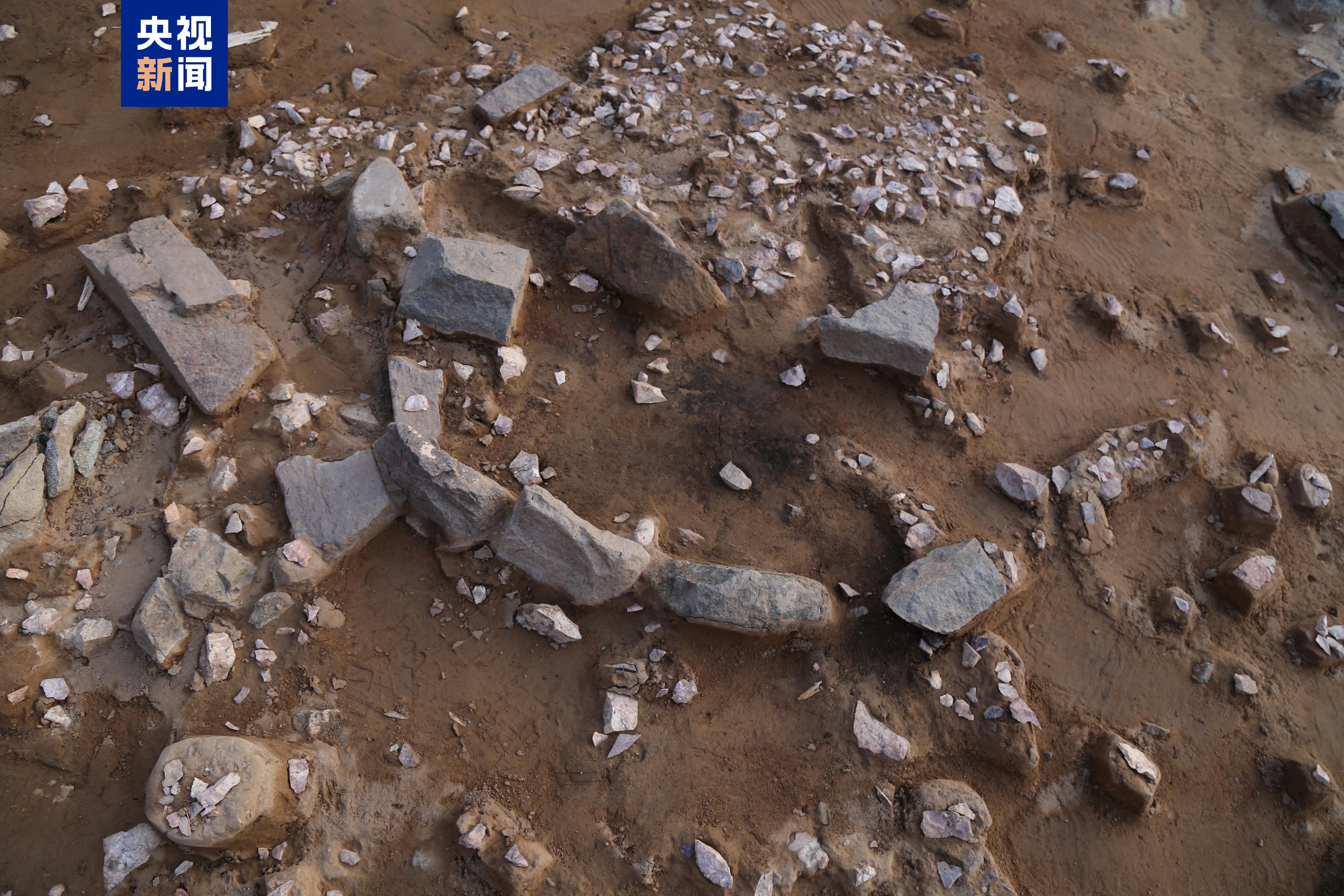
Core Viewpoint - The Chinese Academy of Social Sciences released the "2025 New Archaeological Achievements in China," highlighting six significant archaeological sites that provide critical insights into ancient Chinese history and culture [1]. Group 1: New Archaeological Discoveries - The six selected projects include the Xinjian New Temple Site, the Peili Gang Site, the Zhengjiagou Hongshan Culture Site, the Husta Bronze Age Site, the Langyatai Site from the Warring States and Qin-Han periods, and the Badamu East Tombs from the Jin and Tang periods [1]. - These discoveries range from the earliest bronze age relics in Xinjiang to evidence of Qin Shi Huang's construction of Langyatai, showcasing a rich and vibrant ancient China [1]. Group 2: New Temple Site Findings - The New Temple Site in Hebei province revealed artifacts dating from 120,000 to 13,000 years ago, including stone tools and evidence of the Mousterian technology style, marking the first discovery of such tools in North China [2][3]. - The findings suggest that Neanderthal populations may have reached or influenced the central regions of China, providing key insights into their cultural distribution [3]. Group 3: Peili Gang Site Insights - The Peili Gang Site in Henan province yielded stone grinding plates and small decorative items, contributing to the understanding of the transition from the Old Stone Age to the New Stone Age in the Central Plains [8]. - Notably, evidence of the earliest known use of plant fibers was found, indicating that such practices date back to the late Old Stone Age [11]. Group 4: Zhengjiagou Site Developments - The Zhengjiagou Hongshan Culture Site in Hebei revealed over 600 artifacts, primarily of ritual and burial nature, indicating a strong genetic link between the Zhengjiagou population and the Hongshan culture [12][13]. - The findings extend the timeline of the Hongshan culture and suggest a new trend of cultural development from northeast to southwest [13]. Group 5: Husta Site Significance - The Husta Bronze Age Site in Xinjiang is noted for containing some of the earliest bronze age relics, dating back to around 1600 BC, with significant discoveries in the eastern cemetery area [14][15]. - The unique structure of the tombs represents a major breakthrough in the archaeology of the Bronze Age in Xinjiang [15]. Group 6: Langyatai Site Evidence - The Langyatai Site in Shandong confirmed the existence of high-status architectural complexes from the Qin and Han periods, filling a gap in archaeological knowledge outside the Guanzhong region [18][21]. - Artifacts such as Qin dynasty architectural elements corroborate historical records of Qin Shi Huang's construction activities, showcasing the governance and engineering capabilities of early feudal states [23][24]. Group 7: Badamu East Tombs Findings - The Badamu East Tombs in Xinjiang provided over 600 artifacts, including evidence of high-ranking officials' burials, which offer insights into governance and cultural exchanges during the Jin and Tang periods [25][29]. - The discovery of various coins and artifacts from different cultures illustrates the prosperity of Silk Road trade during the Tang dynasty [29][31].
中国社会科学院发布“2025年中国考古新成果”
Yang Shi Xin Wen· 2026-02-04 01:26
Group 1 - The first archaeological findings focus on the Paleolithic era, with discoveries at the Xinyao Zhuang site in Yangyuan County, Hebei, providing systematic materials for exploring the origins and evolution of modern humans in North China, dating back 120,000 to 13,000 years ago [3] - At the Peiligang site in Xinzheng, Henan, a multi-room building structure was discovered, containing finely crafted human-faced pottery sculptures, dating back approximately 8,000 to 7,500 years, suggesting a connection to local ancestral spiritual beliefs [8] - The Zhengjiagou site in Zhangjiakou, Hebei, revealed nine stone burial mounds, with the largest mound dating back 5,300 to 4,800 years, providing new clues for understanding the spread of Hongshan culture and population migrations [9] Group 2 - The Husta site in Xinjiang, dating back to around 1600 BC, has confirmed the existence of two Sui-Tang era tombs, enriching the cultural connotation of the site [14] - The archaeological project at the Langyatai site in Qingdao, Shandong, has uncovered a total building area of approximately 45,000 square meters, corroborating historical records of Qin Shi Huang's eastern tour and the construction of Langyatai, showcasing early feudal engineering and governance capabilities [22] - The Bada Mudong tomb group in Turpan, Xinjiang, dating to the Jin-Tang period, revealed a Tang dynasty tomb with rare artifacts, including a painted wooden couch and coffin, reflecting the historical integration of various ethnic groups during the Tang dynasty [27]