耶律模型

Search documents
双重缓冲机制,滞胀阴影下的组合解药?从汇添富中证细分有色金属产业主题ETF联接C(019165)再看资产配置底层逻辑
Sou Hu Cai Jing· 2026-02-06 07:38
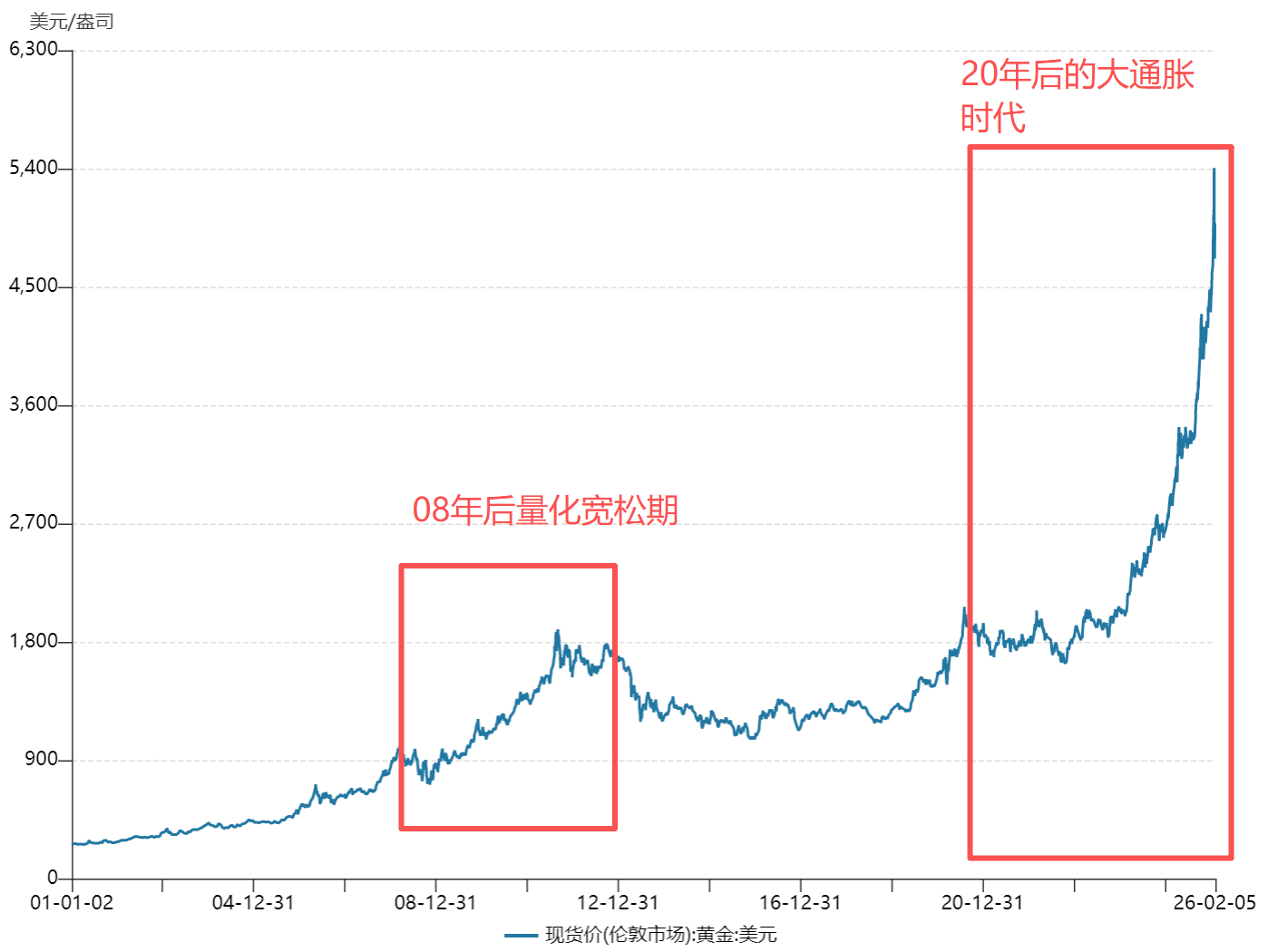
Core Insights - The article emphasizes the need for a reassessment of asset allocation strategies in light of increasing global macroeconomic uncertainties and rising correlations between traditional equity and bond assets [1] - It highlights the unique role of precious metals ETFs as risk diversifiers in investment portfolios, particularly during periods of economic stagnation and high inflation [1] Group 1: Market Dynamics - Precious metals such as copper, aluminum, and gold exhibit a non-linear relationship with stock and bond yields, making them valuable during economic downturns [1] - The demand for copper is being reshaped by long-term factors such as new energy installations and AI data center construction, while supply constraints persist due to reduced capital expenditures from 2018 to 2022 [1] - Historical data shows that during the quantitative easing period post-2008, gold prices surged from approximately $750/oz to $1,900/oz, reflecting a 150% increase over three years [1] Group 2: Inflation and Asset Performance - During the inflation surge from 2020 to 2022, gold prices rose from below $1,450 to over $3,400/oz by 2025, while copper prices increased from $4,400/ton to over $10,700/ton, marking a 140% rise within 15 months [2][4] - Gold serves as a hedge against currency devaluation, while copper captures demand expansion during industrial recovery phases [4] Group 3: Investment Strategies - The investment strategy employed by David Swensen at Yale involved increasing the allocation to physical assets like commodities and energy to about 15%, leveraging their low correlation with financial assets [5] - Precious metals ETFs provide a practical avenue for ordinary investors to engage in this strategy, offering essential cyclical hedging capabilities [6] Group 4: ETF Performance and Structure - The ETF in focus, Huatai-PineBridge's index, covers a broad range of metals including gold, copper, aluminum, lithium, and rare earths, positioning it to benefit from a "super cycle" in the metals market [6] - As of February 5, 2026, the index's top three sectors are copper (34.2%), aluminum (14.6%), and gold (14.4%), indicating a balanced exposure to both industrial and precious metals [7][9] - The fund has achieved a remarkable return of 173.08% over the past two years, significantly outperforming major indices like the CSI 300, with a lower maximum drawdown, showcasing a favorable risk-return profile [9]