
加工

Search documents
【环时深度】被多国竞逐,中亚关键矿产家底有多厚?
Huan Qiu Shi Bao· 2026-02-25 22:55
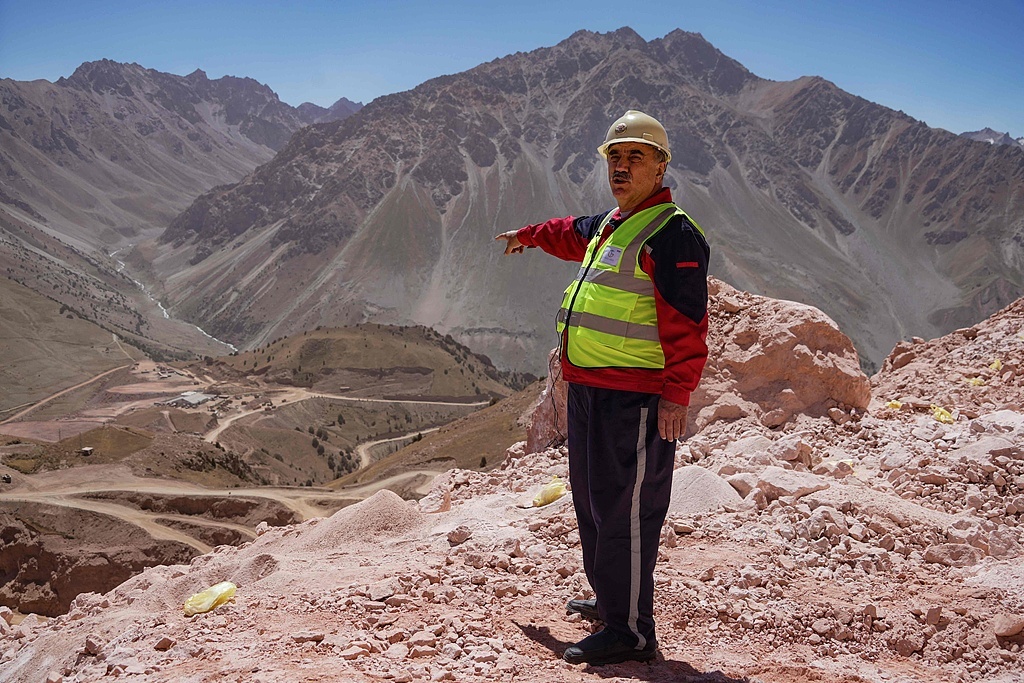
Core Insights - The article discusses the strategic importance of critical mineral resources in Central Asia, highlighting the region's rich deposits and the geopolitical implications of their extraction and trade [1][10]. Group 1: Mineral Resources Overview - Tajikistan's antimony production accounts for 10% of global supply, with an estimated output of 21,000 tons in 2023, representing a quarter of the world's total [4]. - Central Asia is home to significant mineral reserves, with manganese, chromium, lead, zinc, titanium, aluminum, copper, and cobalt having substantial global shares [4]. - Kazakhstan is noted for having the largest chromium reserves globally, estimated at 230 million tons, and is the second-largest producer of chromium [5]. Group 2: Regional Developments - Uzbekistan is rapidly establishing itself as a regional mineral hub, identifying over 30 types of mineral resources, including lithium and molybdenum, and is the fifth-largest uranium supplier globally [6]. - Kazakhstan's geological surveys have revealed a new rare earth metal deposit estimated to exceed 20 million tons, potentially making it the third-largest in the world [5]. - Kyrgyzstan is gaining recognition for its lithium and antimony reserves, which are crucial for battery and electronic device manufacturing [7]. Group 3: Economic Impact and Challenges - The mining sector significantly contributes to the GDP of Kazakhstan (17%) and Uzbekistan (8%), reflecting the region's mining tradition and existing extraction conditions [8]. - Challenges include outdated geological data, limited investment, and a lack of local processing capabilities, which hinder the development of critical mineral resources [9][8]. - The region requires an estimated $20 billion investment by 2030 to upgrade infrastructure and integrate renewable energy for mining operations [9]. Group 4: Future Plans and Concerns - Kazakhstan aims to modernize its mining sector, with plans for extensive geological exploration and the introduction of advanced processing technologies [10]. - Kyrgyzstan's government has set a goal to increase critical mineral exports to $1 billion by 2030 and attract $700 million in foreign direct investment [11]. - Concerns exist regarding the potential for increased dependency on commodity exports and the associated socio-economic inequalities if investments remain focused solely on resource extraction [11].

云南亮出年度“光彩答卷”
Xin Lang Cai Jing· 2026-02-10 20:03
Core Viewpoint - The Yunnan Provincial Guangcai Business Promotion Association's 2025 work report highlights the significant contributions of private enterprises to high-quality development and common prosperity in Yunnan, emphasizing their role in rural revitalization, public welfare, and economic growth [1][7]. Group 1: Political Guidance and Training - Yunnan Province is enhancing political leadership, evidenced by 65 agricultural entrepreneurs participating in training at Zhejiang University and over 300 individuals engaging in red education and rural revitalization demonstrations [2]. - Youth entrepreneurs are actively involved in rural revitalization projects, translating ideals into tangible development momentum [2]. Group 2: Rural Revitalization and Investment - Rural revitalization is identified as a primary focus, with 9,219 private enterprises engaging in 8,201 villages, implementing 8,595 projects, and investing 51.203 billion yuan, creating stable employment for 564,600 individuals [3]. - Systematic innovations include expanding leadership groups, developing replicable models, and creating specialized financial products to address land use and financing challenges [3]. Group 3: Employment and Community Support - Employment initiatives connect 7,318 private enterprises with over 90,000 job opportunities, significantly benefiting local communities, particularly in Menglian County, where a sugar industry upgrade project is expected to generate over 1 billion yuan in output and create jobs for over 300 ethnic minority individuals [4]. - The integration of private enterprise development with regional stability and community support is emphasized, showcasing a model for sustainable development [4]. Group 4: Philanthropy and Social Responsibility - The Yunnan Guangcai Foundation allocated 5.17 million yuan for 22 projects in 2025, demonstrating a commitment to modern philanthropy with a focus on transparency and accountability [5][6]. - The foundation's projects address diverse community needs, including education, healthcare, and environmental concerns, while maintaining a high standard of operational transparency [6]. Group 5: Future Directions - The Guangcai Association aims to deepen initiatives like "Ten Thousand Enterprises Revitalize Ten Thousand Villages" and enhance collaboration with other organizations to ensure alignment with Yunnan's high-quality development goals [6].
双重缓冲机制,滞胀阴影下的组合解药?从汇添富中证细分有色金属产业主题ETF联接C(019165)再看资产配置底层逻辑
Sou Hu Cai Jing· 2026-02-06 07:38
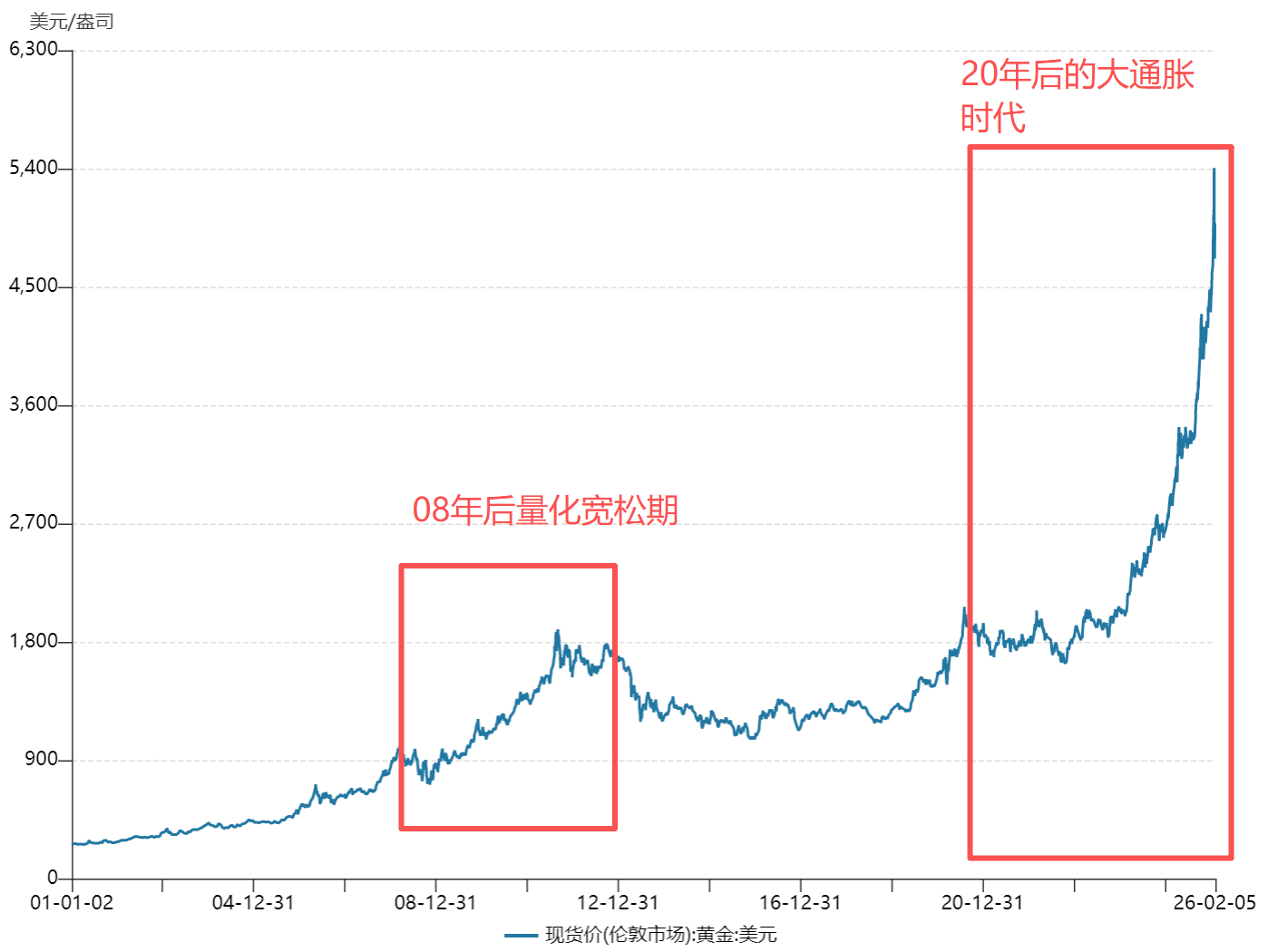
Core Insights - The article emphasizes the need for a reassessment of asset allocation strategies in light of increasing global macroeconomic uncertainties and rising correlations between traditional equity and bond assets [1] - It highlights the unique role of precious metals ETFs as risk diversifiers in investment portfolios, particularly during periods of economic stagnation and high inflation [1] Group 1: Market Dynamics - Precious metals such as copper, aluminum, and gold exhibit a non-linear relationship with stock and bond yields, making them valuable during economic downturns [1] - The demand for copper is being reshaped by long-term factors such as new energy installations and AI data center construction, while supply constraints persist due to reduced capital expenditures from 2018 to 2022 [1] - Historical data shows that during the quantitative easing period post-2008, gold prices surged from approximately $750/oz to $1,900/oz, reflecting a 150% increase over three years [1] Group 2: Inflation and Asset Performance - During the inflation surge from 2020 to 2022, gold prices rose from below $1,450 to over $3,400/oz by 2025, while copper prices increased from $4,400/ton to over $10,700/ton, marking a 140% rise within 15 months [2][4] - Gold serves as a hedge against currency devaluation, while copper captures demand expansion during industrial recovery phases [4] Group 3: Investment Strategies - The investment strategy employed by David Swensen at Yale involved increasing the allocation to physical assets like commodities and energy to about 15%, leveraging their low correlation with financial assets [5] - Precious metals ETFs provide a practical avenue for ordinary investors to engage in this strategy, offering essential cyclical hedging capabilities [6] Group 4: ETF Performance and Structure - The ETF in focus, Huatai-PineBridge's index, covers a broad range of metals including gold, copper, aluminum, lithium, and rare earths, positioning it to benefit from a "super cycle" in the metals market [6] - As of February 5, 2026, the index's top three sectors are copper (34.2%), aluminum (14.6%), and gold (14.4%), indicating a balanced exposure to both industrial and precious metals [7][9] - The fund has achieved a remarkable return of 173.08% over the past two years, significantly outperforming major indices like the CSI 300, with a lower maximum drawdown, showcasing a favorable risk-return profile [9]
五年回报超120%,却波动更低!汇添富中证细分有色金属产业主题ETF联接C(019165)长期配置价值凸显
Sou Hu Cai Jing· 2026-02-06 03:59
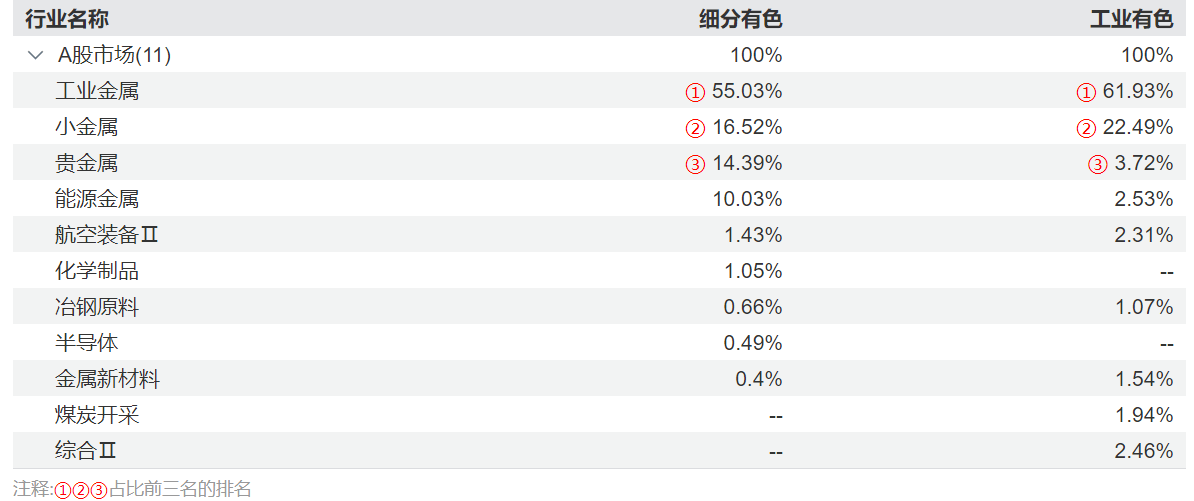
Core Viewpoint - The article discusses the investment landscape in non-ferrous metals, highlighting the comparative advantages of the CSI Segmented Non-Ferrous Metals Industry Theme Index over the CSI Industrial Non-Ferrous Metals Theme Index in terms of composition, risk-return characteristics, and macro adaptability [1][2]. Group 1: Index Composition and Structure - The CSI Segmented Non-Ferrous Metals Index includes a diverse range of metals, such as precious metals (gold and silver), rare metals (like lithium and rare earths), and industrial metals (copper, aluminum, lead, and zinc), creating a triad structure that captures both cyclical manufacturing recovery and safe-haven premiums during geopolitical tensions [2][4]. - In contrast, the CSI Industrial Non-Ferrous Metals Index is limited to industrial metals, which may reflect industrial prosperity but lacks the stabilizing effect of precious metals, resulting in higher volatility [2][4]. Group 2: Performance Metrics - Over the past five years, the CSI Segmented Non-Ferrous Metals Industry Theme Index has achieved a return of over 120% with an annualized volatility of approximately 30%, while the CSI Industrial Non-Ferrous Metals Theme Index recorded a return of 87.99% with an annualized volatility of 33% [4][5]. - The CSI Segmented Non-Ferrous Metals Index has demonstrated a "low volatility, high return" advantage, particularly during macroeconomic disturbances, as seen during the geopolitical conflicts in 2022 and the banking crisis in 2023, where the gold component helped mitigate overall portfolio volatility [4][5]. Group 3: Investment Opportunities - The Huatai-PB CSI Segmented Non-Ferrous Metals Industry Theme ETF (159652) covers a wide range of sub-sectors, including gold, copper, aluminum, lithium, and rare earths, positioning it to benefit from the "super cycle" in non-ferrous metals [5][6]. - The top three weighted sectors in the index as of February 5, 2026, are copper (34.2%), aluminum (14.6%), and gold (14.4%), effectively combining industrial and precious metals to enhance risk-return profiles [6][8]. - The Huatai-PB CSI Segmented Non-Ferrous Metals Industry Theme ETF Link C (019165) offers a flexible fee structure, making it suitable for investors looking to capitalize on the volatility in non-ferrous metals while minimizing transaction costs [8].
欧盟审计机构:欧盟关键原材料进口多元化努力迄今未见成效
Wen Hua Cai Jing· 2026-02-03 01:41
Core Insights - The European Court of Auditors (ECA) stated that the EU's efforts to diversify imports of critical metals and minerals necessary for reducing external dependencies and achieving technological, defense, and energy transitions have "not yet yielded substantial results" [1] Group 1: Legislative Framework - The Critical Raw Materials Act (CRMA), passed in 2024, aims to enhance domestic supply capabilities for 34 strategic materials, including lithium, antimony, tungsten, copper, and rare earth elements, which are widely used in manufacturing semiconductors, wind turbines, and munitions [1] Group 2: Targets and Challenges - The CRMA sets non-binding targets for 2030, including mining 10% of the required minerals, increasing recycling capacity to 15%, and processing 40% of the annual demand for each strategic raw material [2] - The ECA report indicates a pessimistic outlook, noting that for 26 materials needed for energy transition, 7 have recycling rates of only 1% to 5%, and 10 have not been recycled at all, attributing this to a lack of specific incentives [2] - The report warns that the EU's goal of achieving a 40% self-sufficiency in processing is regressing, with some processing plants closing due to high energy costs, severely undermining industrial competitiveness [2] Group 3: International Partnerships - The strategic partnerships established by the EU with third countries for critical raw materials have not shown effective results, with half of the reviewed imports from these partner countries declining between 2020 and 2024 [2] Group 4: Future Initiatives - To accelerate the implementation of the CRMA, the European Commission proposed a new plan called "RESourceEU" by December 2025, although many details remain unimplemented or unpublished. This plan includes export restrictions on rare earth waste and an investment of €3 billion (approximately $3.55 billion) to expedite the approval and construction of several strategic materials projects [2]
农业产业化省级重点龙头企业再添71家
Liao Ning Ri Bao· 2026-01-07 00:54
Core Insights - Liaoning Province has recognized a total of 777 provincial-level agricultural industrialization leading enterprises, including 84 at the national level [1] - The 20th batch of provincial-level key leading enterprises includes 71 companies, such as Shenyang Haoming Poultry Co., Ltd. and Shenyang Yunkeng Feed Co., Ltd. [1] Summary by Categories Enterprise Recognition - The provincial agricultural and rural affairs department, along with other governmental bodies, has released the latest list of key leading enterprises [1] - The recognized enterprises must meet specific criteria, including total assets exceeding 30 million yuan, fixed assets over 20 million yuan, and annual sales revenue above 50 million yuan [1] Monitoring and Support - The recognized enterprises will benefit from supportive policies until the end of 2027 [1] - A dynamic monitoring mechanism is in place, with three enterprises qualifying for the 2024 provincial-level key leading enterprise list, while ten others were disqualified [1] Industry Impact - Leading enterprises are considered the main force in transforming Liaoning into a major food industrial province and serve as a model for the integration of primary, secondary, and tertiary industries [1]
塞尔维亚2025年GDP增长2%
Shang Wu Bu Wang Zhan· 2026-01-01 16:46
Economic Growth - Serbia's GDP is projected to grow at a real rate of 2% in 2025 [1] - Most service and industrial activities have shown growth, with retail growing by 4.2%, transportation by 4.7%, and the restaurant sector by 1.5% [1] Sector Performance - Industrial production value increased by 1.0%, with mining up by 4.4% and manufacturing by 1.2% [1] - The construction sector experienced a decline of 8.4% [1] - The energy sector faced a decrease of 2% due to drought affecting hydroelectric reserves [1] - Agriculture saw a slight decline of 0.3% due to adverse weather conditions [1] Inflation and Labor Market - The average inflation rate for 2025 is expected to be 3.8%, with December's inflation rate at 2.8%, aligning with the central bank's target of 3%±1.5% [1] - The labor market remains strong, with nominal wages increasing by 11.2% and real wages by 7.1% [1] - The unemployment rate decreased to 8.2% in the third quarter [1] Trade Performance - Despite weak external demand, Serbia's exports are estimated to grow by 8% in 2025, primarily driven by the automotive sector [1] - Imports are projected to rise by 7.3%, attributed to ongoing imports of raw materials and equipment, as well as increased consumer goods imports due to rising disposable incomes [1]
精艺股份:12月25日召开董事会会议
Mei Ri Jing Ji Xin Wen· 2025-12-25 08:50
Group 1 - The company Jingyi Co., Ltd. (SZ 002295) announced a temporary board meeting on December 25, 2025, to discuss the election of independent directors for the ninth board [1] - For the first half of 2025, the revenue composition of Jingyi Co., Ltd. was as follows: processing industry accounted for 98.62%, other businesses 1.24%, and new energy 0.14% [1] - As of the report date, the market capitalization of Jingyi Co., Ltd. was 3.3 billion yuan [1]

精艺股份:12月15日召开董事会会议
Mei Ri Jing Ji Xin Wen· 2025-12-15 08:31
Group 1 - The core point of the article is that Jingyi Co., Ltd. (SZ 002295) held a temporary board meeting on December 15, 2025, to discuss amendments to the company's articles of association and other documents [1] - For the first half of 2025, Jingyi Co., Ltd. reported that its revenue composition was 98.62% from the processing industry, 1.24% from other businesses, and 0.14% from new energy [1] - As of the report date, Jingyi Co., Ltd. has a market capitalization of 3.1 billion yuan [1] Group 2 - The article also highlights concerns regarding the financial practices of Jiangsu Wuzhong, where the "Qian siblings" are accused of nearly depleting the company, leading to its impending delisting [1] - There are allegations that multiple related parties associated with the "Tongyan needle" product, which has annual sales of 300 million yuan, have registered addresses that do not exist, raising questions from shareholders about the company's financial integrity [1]
精艺股份:控股股东所持公司股份被司法拍卖,控制权拟发生变更
Mei Ri Jing Ji Xin Wen· 2025-11-04 11:02
Group 1 - The core point of the news is that Jiangsu Nantong Haimen District People's Court has ruled to transfer approximately 75.18 million shares of Jingyi Co., Ltd. from Nantong Sanjian Holdings Co., Ltd. to Sichuan Xingdong Investment Group Co., Ltd., resulting in a change of control of the company [1] - After the judicial auction, Nantong Sanjian Holdings will no longer hold any shares in the company, and Sichuan Xingdong Investment Group will become the controlling shareholder with a 29.99996% stake [1] - The change in equity will significantly impact the company's ownership structure and governance [1] Group 2 - As of the report, Jingyi Co., Ltd. has a market capitalization of 3.1 billion yuan [2] - For the first half of 2025, the revenue composition of Jingyi Co., Ltd. shows that the processing industry accounts for 98.62%, other businesses account for 1.24%, and new energy accounts for 0.14% [1]