职场性别歧视

Search documents
镜鉴:韩国是如何走到生育率全球倒数第一的
虎嗅APP· 2026-01-24 14:19
Core Viewpoint - The article discusses the significant challenges faced by women in South Korea regarding work-life balance, particularly after childbirth, highlighting the high costs of raising children and the societal pressures that contribute to declining birth rates [5][6][9]. Group 1: Women's Employment and Income Impact - In South Korea, only 56.2% of mothers remain in the workforce after having children, ranking among the lowest in OECD countries [6]. - The average income of mothers drops by 66% by the time their child reaches ten years old, significantly higher than the declines seen in the US (31%), UK (44%), and Sweden (32%) [8]. - Over 62% of women resign from their jobs around the time of their first child's birth, exacerbated by workplace gender discrimination and pressures from employers [8]. Group 2: Rising Child-Rearing Costs - South Korea has the highest child-rearing costs globally, averaging $275,000 (approximately 1.925 million RMB) from birth to age 18, which is 7.8 times the country's per capita GDP [11]. - Nearly 80% of children attend after-school tutoring, with families spending an average of 18% of their income on these services, amounting to $869 (around 6,000 RMB) monthly for the wealthiest families [11]. - The intense competition for university admissions leads to a culture where children are enrolled in multiple tutoring programs, often at the expense of their childhood [13]. Group 3: Declining Marriage Rates and Gender Relations - The marriage rate for women aged 15-49 in South Korea is approximately 43%, lower than the US rate of 52% [16]. - The MeToo movement has highlighted gender disparities, initially gaining support from young men, but later facing backlash as attitudes shifted [18][19]. - The gender ratio imbalance, with 115 young men for every 100 young women, complicates dating and marriage prospects, contributing to a decline in marriage rates [19]. Group 4: Historical Context of Fertility Control - South Korea's government implemented strict population control measures starting in the 1960s, which successfully reduced the fertility rate from six children per woman to three in less than 20 years [26][27]. - Despite the initial success, these policies led to long-term demographic challenges, including an aging population and gender imbalances [29][33]. - By 2023, the fertility rate had dropped significantly, necessitating drastic measures to encourage childbirth, including financial incentives [35][36]. Group 5: Government Initiatives to Encourage Birth Rates - The South Korean government has increased birth subsidies, providing approximately $22,000 (around 154,000 RMB) per child in various forms of support [35]. - A slight increase in the birth rate to 0.75 in 2024 is attributed to these measures, marking the first positive growth since 2015 [35]. - Research indicates that increasing cash subsidies can lead to higher birth rates, with a 10% increase in subsidies correlating to a rise in birth rates for first, second, and third children [35].

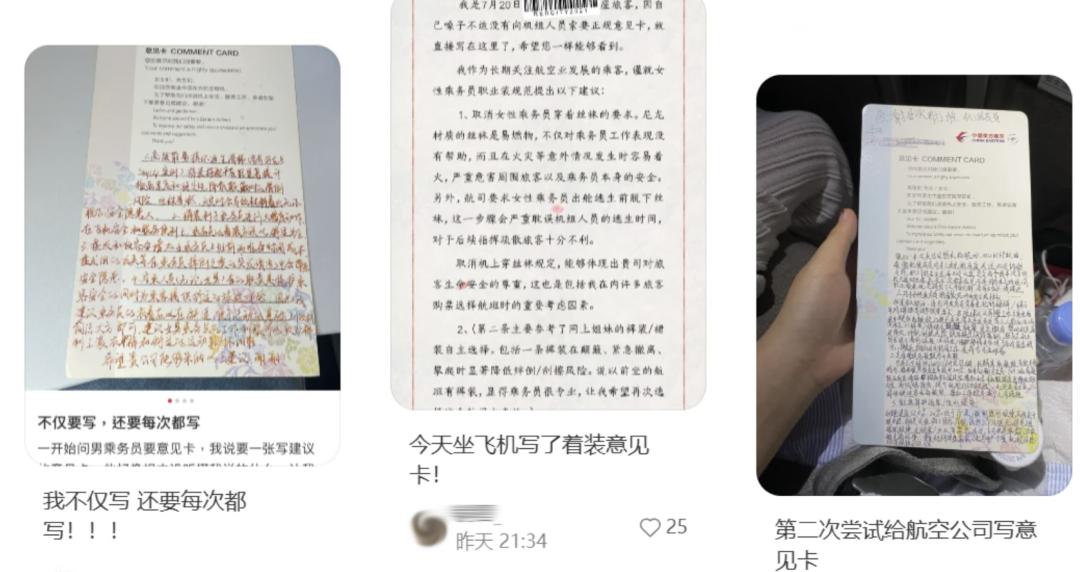
“替185男乘客抬行李、强制要求穿短裙丝袜”,空姐无法拒绝的「过度服务」比海底捞的还离谱?
3 6 Ke· 2025-07-25 08:18
Core Viewpoint - The movement to allow female flight attendants to wear flat shoes instead of mandatory high heels is seen as a small but significant step towards addressing gender-related issues in the airline industry, although it is not sufficient to resolve the broader challenges faced by female crew members [1][3]. Group 1: Dress Code Changes - In April, a social media campaign led to a significant response, prompting airlines like Spring Airlines to allow female attendants to wear flat shoes during duty [1][6]. - A widely circulated template for improving female flight attendants' dress code includes five key points: freedom to choose between pants and skirts, replacing high heels with professional flat shoes, autonomy in eyewear choices, abolishing mandatory makeup, and eliminating the requirement for stockings [6][10]. - The initial cancellation of the high heel requirement by airlines like Spring Airlines reflects a growing recognition of the safety risks associated with high heels, especially during boarding and emergency situations [10][12]. Group 2: Safety Concerns - High heels pose safety risks for flight attendants, particularly during boarding and emergency evacuations, where the potential for accidents increases [8][10]. - The mandatory wearing of stockings has been criticized for being unsafe, as they are flammable and can pose additional risks during emergencies [10][12]. - The dress code has historically prioritized aesthetics over practicality, with many airlines still enforcing outdated standards that do not align with modern safety protocols [14][19]. Group 3: Gender Dynamics and Service Expectations - Female flight attendants often face unrealistic service expectations, being perceived as "universal service providers" responsible for addressing a wide range of passenger needs, which can lead to overburdening [3][26]. - The industry has a history of sexualizing female flight attendants, with some airlines using their appearance as a marketing tool, which contributes to inappropriate behavior from passengers [17][19]. - The pressure to conform to traditional gender roles in the workplace continues to affect female flight attendants, who often feel compelled to provide excessive service to avoid complaints [26][39]. Group 4: Historical Context and Industry Evolution - The push for change in the airline industry is not new; female flight attendants have historically organized against gender discrimination, leading to significant changes in workplace policies [20][22]. - Despite the increase in workload and responsibilities for flight attendants, the dress code has remained largely unchanged since the 1970s, highlighting a disconnect between evolving job demands and outdated appearance standards [22][24]. - The airline industry is currently facing financial pressures, leading to a focus on cost-cutting measures that often compromise service quality and employee well-being [41][42].