
呼吸道感染

Search documents
75岁老人确诊重症肺炎,“元凶”很多人家里有!医生提醒:临近年关,一定要注意→
Xin Lang Cai Jing· 2026-01-17 00:12
Group 1 - The article highlights the health risks associated with dust accumulation in homes, particularly during the year-end cleaning activities, as demonstrated by the case of a 75-year-old woman who developed severe pneumonia due to exposure to mold and bacteria in dust [1][2] - It emphasizes the importance of taking protective measures, such as wearing masks, during cleaning to prevent respiratory infections, especially as the number of such cases tends to rise during this period [2][3] Group 2 - The article provides guidance on how to effectively remove mold from different areas of the home, noting that mold thrives in damp environments with temperatures between 20-30°C and humidity above 80% [3][4] - Recommendations include opening windows for ventilation, using dehumidifiers, and avoiding drying clothes in bathrooms to minimize mold growth [5][6] - It also advises on the proper cleaning of fabric furniture and the use of specialized mold removal sprays, while stressing the need for personal protective equipment during cleaning [7] Group 3 - The article warns against mixing different cleaning agents, as this can lead to the production of toxic gases or reduce cleaning effectiveness, providing specific examples of harmful combinations [8]
夜间一躺就咳,赶紧试试这几种方法!
Xin Hua Wang· 2025-12-29 13:03
Core Viewpoint - Nighttime cough is a common symptom that can be exacerbated by various factors, including body position, physiological changes, environmental conditions, and underlying diseases [3][4][5][6][7]. Group 1: Causes of Nighttime Cough - Body position can lead to airway collapse and accumulation of secretions, making it harder to cough effectively [3]. - Physiological changes at night, such as increased vagus nerve activity and decreased cortisol levels, can heighten cough sensitivity [3]. - Environmental factors like dry air and allergens in the bedroom can irritate the respiratory tract [3]. - Underlying diseases such as bronchitis and pneumonia can manifest as nighttime cough [3]. Group 2: Specific Conditions Associated with Cough - Asthma patients may experience increased airway sensitivity at night, leading to cough and difficulty breathing [4]. - Gastroesophageal reflux disease (GERD) can cause stomach acid to irritate the throat when lying down, resulting in cough [5]. - Upper airway cough syndrome, often due to conditions like rhinitis or sinusitis, can lead to post-nasal drip and cough [6]. - Cardiac-related cough is more common in older adults due to increased venous return when lying down [7]. Group 3: Remedies and Recommendations - Nasal irrigation can effectively alleviate cough caused by upper airway issues, particularly for those with chronic rhinitis or sinusitis [9]. - Wearing a mask while sleeping is not recommended due to discomfort and limited protective benefits [11]. - Home remedies like honey water and steamed oranges may provide temporary relief but should not replace medical treatment [12]. - Using cough suppressants without understanding the underlying cause can be counterproductive and delay proper treatment [13]. Group 4: Practical Tips for Relief - Adjusting body position to a semi-reclined posture can help alleviate cough, especially for those with nasal or reflux issues [13][14]. - Maintaining indoor humidity levels between 40%-60% can reduce respiratory irritation [16]. - Acupressure techniques on specific points may help relieve cough symptoms [17][19]. - Temporary measures like sipping warm water or using throat lozenges can soothe irritation [19].


流感毒株已发生变化
第一财经· 2025-11-11 13:12
Core Viewpoint - The article discusses the anticipated flu season in China, highlighting the expected peak in December and January, along with the current trends in flu virus strains and the availability of antiviral medications [3][4]. Group 1: Flu Season Forecast - The peak of the flu season in China is expected to occur in mid to late December and early January [3]. - Shanghai has reported a rising positive detection rate for flu, indicating the onset of the flu epidemic season [3]. Group 2: Virus Strain Variations - The dominant flu strain in Shanghai has shifted from H1N1 in the first half of the year to H3N2 in the latter half [3]. - Current strains remain highly sensitive to existing antiviral medications, including neuraminidase inhibitors and polymerase inhibitors [3]. Group 3: Antiviral Drug Availability - Hospitals in Shanghai have sufficient supplies of medications to combat respiratory infections, including azithromycin for mycoplasma infections [3]. - The price of the antiviral drug Marbalozav (Sufuda) remains stable at approximately 200 yuan for a 40mg tablet, with children's formulations priced around 250 yuan [4]. Group 4: New Domestic Antiviral Drugs - Two new domestic antiviral drugs, Masurazav (Yisuda) and Masilozav (Jikeshou), have been approved, both requiring only a single dose for treatment [4]. - The prices for these new drugs are lower than Marbalozav, with Jikeshou priced at about 160 yuan for a 40mg tablet and Yisuda at 200 yuan for two 20mg tablets [4]. Group 5: Resistance Issues - Clinical studies indicate low resistance rates for the new antiviral drugs, with mutation rates for H1N1 and H3N2 strains at 0.7% and 0.9% respectively, suggesting a low risk of resistance [4].
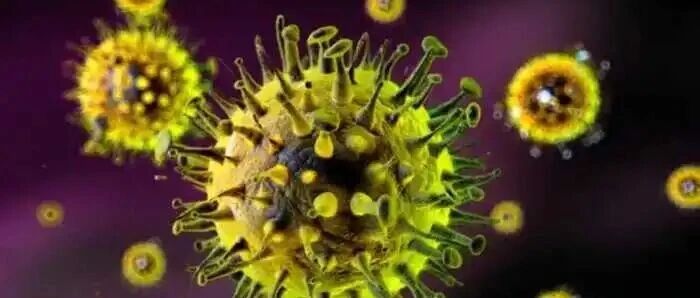
呼吸道感染竟会唤醒“体内的敌人”
Ke Ji Ri Bao· 2025-08-11 01:48
Core Insights - Respiratory infections, such as influenza, may activate dormant cancer cells, potentially leading to cancer metastasis [1][2] - A study conducted on mice showed that respiratory infections can trigger the awakening and proliferation of dormant breast cancer cells, leading to significant tumor growth within two weeks [2] - Analysis of human data revealed that cancer patients who experienced respiratory infections had double the risk of cancer-related mortality, with breast cancer patients facing over a 40% increased risk of lung metastasis post-infection [2] Group 1 - The study published in *Nature* highlights the potential link between respiratory infections and the reactivation of dormant cancer cells [1] - Dormant cancer cells can remain in a state of inactivity, but respiratory infections may serve as a catalyst for their reactivation [2] - The immune response to infections may inadvertently create a favorable environment for cancer cells to thrive [2] Group 2 - The research emphasizes the importance of preventing respiratory infections, especially for cancer survivors [3] - Simple preventive measures such as wearing masks, getting vaccinated, and practicing good hygiene can help reduce the risk of infections [3] - The findings call for further research to expand sample sizes and deepen analysis on the relationship between respiratory infections and cancer [3]