能源结构优化

Search documents
廊坊热电二期3号机组 通过168小时试运行
Xin Lang Cai Jing· 2026-02-17 04:56
Core Viewpoint - The successful trial operation of the Langfang Thermal Power Phase II Unit 3 demonstrates the reliability, stability, economic efficiency, and environmental performance of the unit, supporting the construction of a new power system and the promotion of clean and low-carbon urban development [1] Group 1 - During the 168-hour trial operation, the main and auxiliary equipment of Unit 3 operated stably, with a protection plate and measurement instrument utilization rate of 100% [1] - The steam and water quality met the standards, and the main economic and technical indicators, as well as environmental emission indicators, reached the design values [1] - The unit achieved a load factor of 100%, generating no less than 350,000 kilowatt-hours of electricity per hour, validating its operational reliability and efficiency [1]
冻死事小,失节事大,欧盟禁用俄罗斯天然气!中国成“救命稻草”
Sou Hu Cai Jing· 2026-02-13 15:05
Group 1 - The EU has officially decided to gradually stop importing Russian natural gas, with liquefied natural gas banned from January 2027 and pipeline gas cut off by September 30, 2027 [1] - Most EU member states support the ban, believing it will reduce long-term risks associated with reliance on a single source [1] - The EU is focusing on alternative suppliers such as Norway, the US, and Qatar, with Norway increasing offshore production and the US actively shipping LNG across the Atlantic [3] Group 2 - The supply landscape in Europe has changed significantly, with a notable increase in the share of US LNG and stable pipeline supplies from Norway [5] - Infrastructure development continues, with new terminal stations and internal interconnecting pipelines being established to facilitate smoother gas flow among member states [5] - The EU views this transition as a crucial step towards energy independence, despite the short-term increase in costs [5] Group 3 - Russia is redirecting its exports towards Asia, particularly China, with the Power of Siberia pipeline becoming a primary channel for supply [7] - Russian suppliers are rapidly expanding their presence in the Asian market, with LNG exports increasing and some projects being expedited [7] - The cooperation between Russia and China is deepening, with a higher proportion of transactions being settled in local currencies to mitigate exchange rate risks [9] Group 4 - China's natural gas imports are expected to decline in 2024 and 2025 due to rapid development in renewable energy sources, which are replacing some traditional energy demands [11] - Domestic oil and gas production is steadily increasing, leading to reduced reliance on foreign sources and enhancing supply security [11] - The overall decrease in energy consumption due to slower economic growth is prompting adjustments in industrial and residential gas demand [11] Group 5 - Despite the increase in Russian supply share, China's overall imports are declining, necessitating a more suitable cooperation rhythm between the two countries [13] - The EU's ban effectively pushes Russian gas towards China, which is leveraging diversified sources and domestic support to stabilize its position in the new energy landscape [13] - The energy dynamics are shifting, with the EU willing to incur higher costs to reduce dependency, while Russia seeks new buyers and China optimizes its energy structure [15]

年发电量100亿度!金山热电厂三期项目实现双机投产发电
Nei Meng Gu Ri Bao· 2026-02-08 11:54
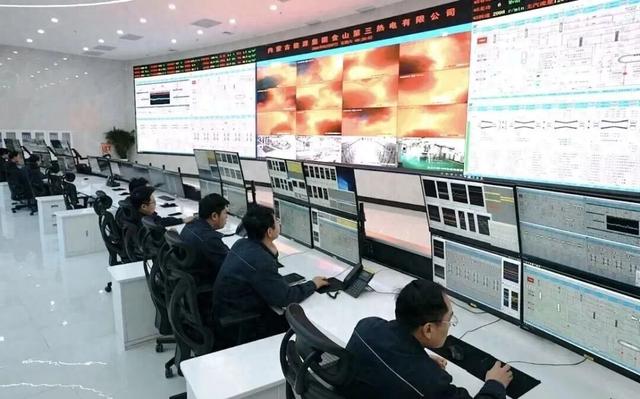
Core Insights - The Inner Mongolia Energy Supply and Livelihood Key Project, the expansion of the Jinshan Thermal Power Plant, has successfully transitioned the 6th unit to commercial operation after completing a 168-hour full-load trial run [1][2] - The project includes two units of 1 million kilowatts each, with both the 5th and 6th units now operational, contributing significantly to the region's energy supply [1][2] Group 1 - The 6th unit achieved an average load factor of 99.6% during the trial run, indicating excellent operational performance [2] - The project is expected to generate an annual electricity output of 10 billion kilowatt-hours and provide an additional heating capacity of 50 million square meters [2] - The successful operation of these units supports the "West Heat East Transfer" initiative in Hohhot and plays a crucial role in optimizing the energy structure and ensuring energy security in the region [2]
南海区海洋可再生能源发展的实践路径
Zhong Guo Zi Ran Zi Yuan Bao· 2026-02-05 10:57
Core Viewpoint - The South China Sea is identified as a region rich in marine renewable energy resources, including wind, wave, tidal, and temperature difference energy, which presents significant development potential for optimizing energy structure and ensuring energy security in Guangdong, Guangxi, and Hainan provinces [1] Policy Guidance and Practical Progress - The three provinces have established a multi-layered policy support system focused on offshore wind energy while exploring diversified marine energy development [3] - Guangdong aims to strengthen offshore wind power bases in cities like Yangjiang and Shantou, while Guangxi focuses on developing offshore wind power and exploring advanced technologies [3] - Hainan is leveraging its free trade port status to accelerate the construction of offshore wind and distributed photovoltaic projects [3] Development Status and Achievements - By 2025, Guangdong's offshore wind power installed capacity is expected to exceed 12.5 million kilowatts, ranking first in the country [4] - Guangxi has achieved a breakthrough in offshore wind power with its first demonstration project, generating over 1.4 billion kilowatt-hours [4] - Hainan has initiated large-scale offshore wind power development with several projects achieving full capacity grid connection [4] - Wave energy development has seen significant advancements, including the world's first megawatt-level floating wave energy device [4] Challenges and Constraints - There is insufficient regional coordination among the three provinces, leading to fragmented resource development and risks of redundant construction [6] - Core technology and equipment for floating wind power are still reliant on imports, and there is a gap in performance compared to international standards [7] - The industrial chain in Guangxi and Hainan is not fully developed, with low localization rates for key components and equipment [7] - Conflicts between development and ecological protection are becoming more pronounced, with potential long-term impacts on marine ecosystems [7] Strategic Solutions and Recommendations - A systematic approach is needed to plan the development of marine wind and renewable energy, emphasizing unified planning and collaborative implementation [9] - Optimizing spatial layout to create a gradient development pattern is essential, with Guangdong extending nearshore wind clusters into deeper waters [9] - Strengthening technological innovation and self-sufficiency in equipment is crucial, with the establishment of a collaborative innovation community among the three provinces [10] - Building a modern marine wind and renewable energy industrial chain that leverages regional advantages and enhances cooperation is necessary [10] - Promoting regional interconnectivity and establishing green collaborative mechanisms to address power consumption and transmission bottlenecks is vital [11]

向“绿”而行:制造业转型升级的必由之路
Xin Lang Cai Jing· 2026-01-16 17:04
Core Viewpoint - The green transformation of the manufacturing industry is essential for addressing environmental pressures and is a core pathway to high-quality development under the "dual carbon" goals. This transformation involves integrating low-carbon and circular concepts into all aspects of research, production, and operations, which has profound implications for promoting a green and low-carbon economy and society [2]. Group 1: Clean Production Technology Innovation - Promoting clean production technology innovation can help enterprises reduce pollution, cut carbon emissions, and improve resource utilization efficiency from the source. Management must integrate technological innovation with process management to enhance both environmental performance and operational efficiency [2]. - At the raw material level, enterprises should strategically replace high environmental impact materials and establish a green supplier evaluation system to reduce potential pollution and carbon emissions from the procurement source [3]. - In the production process, leveraging digitalization and intelligence can achieve precise control of energy and material consumption, enhancing transparency and stability in production processes [3]. Group 2: Energy Structure Optimization - Systematic optimization of the energy structure is crucial for improving overall energy efficiency. This involves strategic supply replacement and refined demand management to create a modern energy system that is clean, efficient, low-carbon, and resilient [4]. - On the supply side, enterprises should align energy procurement strategies with long-term carbon reduction goals, increasing the share of renewable energy in their consumption structure [4]. - In energy usage, enterprises need to focus on the resource utilization of waste energy, implementing energy recovery systems to enhance overall energy efficiency and reduce comprehensive energy consumption per product [4]. Group 3: Circular Economy Industrial Network - Building a circular economy industrial network is key to transitioning from a linear industrial civilization to a circular ecological paradigm. This involves reconfiguring the linear production model into a circular system to maximize resource efficiency and minimize carbon footprints [5]. - Enterprises should establish regional industrial symbiosis networks to match their by-products and waste with the resource needs of surrounding companies, significantly reducing material input and carbon emissions [6]. - The circular economy concept should extend to the entire product lifecycle, focusing on recycling, remanufacturing, and re-circulation, thereby creating a product circulation system along the value chain [6]. Group 4: Comprehensive Action Framework - The green transformation of manufacturing enterprises requires a comprehensive action framework that includes promoting clean production technology innovation, optimizing energy structures, and constructing circular economy industrial networks. This framework supports management transformation within enterprises [7].
新疆2025年外送电量超1400亿千瓦时
Xin Hua Wang· 2026-01-16 01:55
Core Insights - Xinjiang's electricity export volume reached 141.299 billion kilowatt-hours in 2025, marking an 11.5% year-on-year increase and exceeding 100 billion kilowatt-hours for six consecutive years [2] - Among the total export volume, renewable energy accounted for 44.382 billion kilowatt-hours, a 13.03% increase, representing 31.41% of the total export [2] - Three of the five high-voltage direct current transmission channels contributed over 90% of Xinjiang's total electricity exports, facilitating energy delivery across vast distances [2] Industry Developments - Xinjiang is positioning itself as a national energy resource strategic support base, with the cumulative installed capacity of renewable energy in the grid exceeding 161 million kilowatts by the end of 2025, making up over 60% of the total installed capacity [2] - Since the initiation of electricity exports in 2010, the cumulative export volume has surpassed 1 trillion kilowatt-hours, covering 22 provinces and municipalities across the country, thus playing a crucial role in ensuring national electricity supply and optimizing energy structure [2]
我省今年首个重大能源送出项目投运
Xin Hua Ri Bao· 2026-01-14 21:05
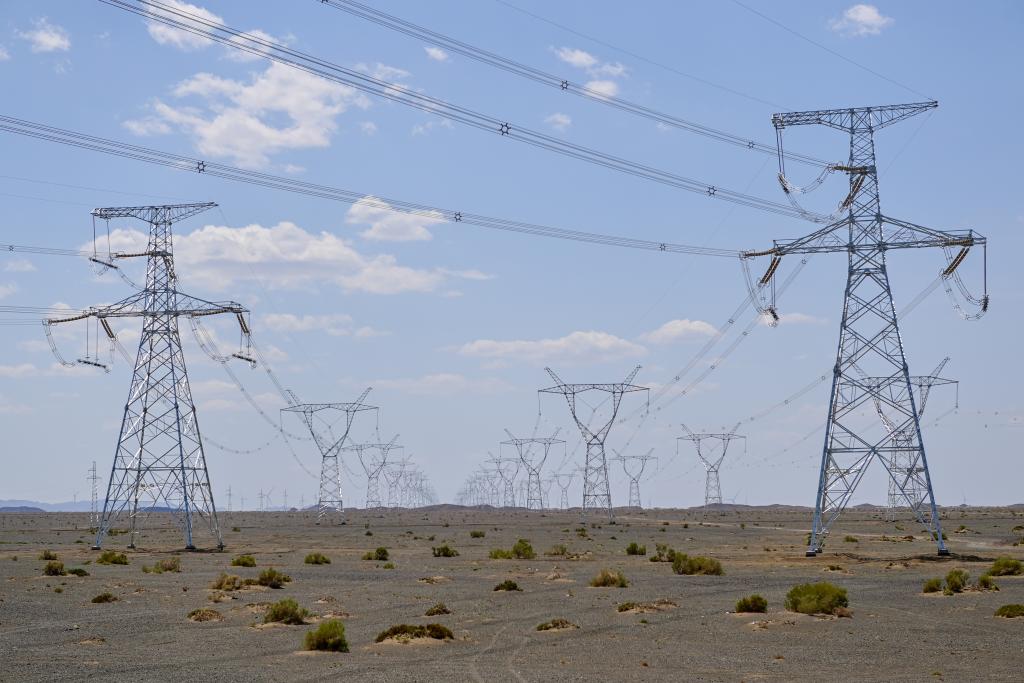
Group 1 - The first major 500 kV power grid project in Jiangsu province for the year, the Guodian Investment Binhai 2×1 million kW unit expansion project, has successfully commenced operation, marking a significant advancement in the province's coal power supporting grid construction [1] - The new power transmission line, which is 89.045 kilometers long, connects the Yancheng Binhai Power Plant to the Heqi 500 kV substation, providing essential support for the efficient transmission and consumption of renewable energy in the coastal region of Jiangsu [2] - The operation of this project is part of a broader initiative to enhance the province's energy structure and support the integration of new energy sources, with several other 500 kV transmission projects also being accelerated in construction [2] Group 2 - Jiangsu province has seen rapid development in new energy installations, with Yancheng becoming the first city in the Yangtze River Delta region to exceed 20 million kW of renewable energy grid capacity [2] - The successful operation of the Binhai power transmission project is expected to bolster the connection of four 1 million kW coal power units to the grid, enhancing the system's regulation capacity [2] - Ongoing projects, including the Huaneng Tongzhou Bay Power Plant and the Yancheng Gaorong 500 kV transmission and transformation project, are set to further optimize the consumption of renewable energy and overall power supply capacity in Jiangsu [2]


江苏今年首个500千伏电网重点工程投运
Jiang Nan Shi Bao· 2026-01-14 14:08
Core Viewpoint - The successful operation of the 500 kV power grid project associated with the expansion of the Guodian Investment Binhai 2×1 million kW unit marks a significant advancement in Jiangsu's energy infrastructure, ensuring stable electricity supply during peak winter demand [1]. Group 1: Project Overview - The Guodian Investment Binhai power plant expansion project includes the addition of two 1 million kW coal-fired generating units, expected to generate 10 billion kWh annually, sufficient to meet the electricity needs of approximately 4 million households for a year [1]. - The newly constructed power grid project features a total length of 89.045 kilometers, connecting the Binhai power plant to the Heqi 500 kV substation, enhancing regional electricity supply capacity [1]. Group 2: Industry Context - Jiangsu's new energy capacity has rapidly developed, with the Yancheng new energy grid capacity reaching 20.34 million kW, making it the first city in the Yangtze River Delta to exceed 20 million kW in new energy grid capacity [1]. - The construction of the power grid project is part of Jiangsu's efforts to build a new power system and optimize its energy structure, providing essential support for the efficient integration and delivery of renewable energy sources like wind power [1]. Group 3: Challenges and Innovations - The project faced significant challenges due to complex geological conditions and the need to cross highways, railways, and multiple transmission lines, leading to high coordination difficulties and construction risks [2]. - Innovative use of drones for precise surveying and the development of tailored plans for each crossing were implemented to ensure efficient construction and successful project operation [2]. Group 4: Future Developments - Additional major grid projects, such as the Huaneng Tongzhou Bay power plant and the Yancheng Gaorong 500 kV transmission and transformation project, are under construction, which will further enhance Jiangsu's electricity supply capacity and support winter power safety [2].
江苏今年首个500千伏电网重点工程投运 全力保障“迎峰度冬”
Yang Zi Wan Bao Wang· 2026-01-13 05:02
Core Viewpoint - The successful operation of the Jiangsu 500 kV power grid project marks a significant advancement in the province's energy infrastructure, supporting stable electricity supply during peak winter demand and aligning with the "14th Five-Year Plan" for energy development [1][3]. Group 1: Project Details - The Guodian Investment Binhai 2×100 MW unit expansion project is located in Yancheng Binhai Port area and is a key project in Jiangsu's energy strategy [1]. - The expansion includes two 100 MW coal-fired power generation units, expected to generate an annual output of 10 billion kWh, sufficient to meet the annual electricity needs of approximately 4 million households [1]. - The newly constructed transmission line spans 89.045 kilometers, enhancing regional electricity supply capacity and supporting the efficient integration of renewable energy sources [3]. Group 2: Engineering Challenges and Innovations - The project faced complex geological conditions and required coordination across multiple infrastructures, including highways and railways, leading to high construction risks [4]. - Innovative use of drones for precise surveying and the development of tailored plans for each crossing were implemented to ensure efficient construction within limited operational windows [4]. Group 3: Broader Energy Context - Since 2025, Jiangsu has been advancing both traditional industry upgrades and new industry developments, resulting in stable growth in electricity demand [5]. - The construction of additional 500 kV transmission projects, such as those at Jiangsu Guoxin and Jiangyin Ligang power plants, has strengthened the grid's capacity to integrate large coal-fired power units and enhance system regulation capabilities [5]. - Other major network projects, including Huaneng Tongzhou Bay and Yancheng Gaorong 500 kV substations, are under construction to further optimize the electricity grid's capacity for renewable energy integration and overall supply capability [6].
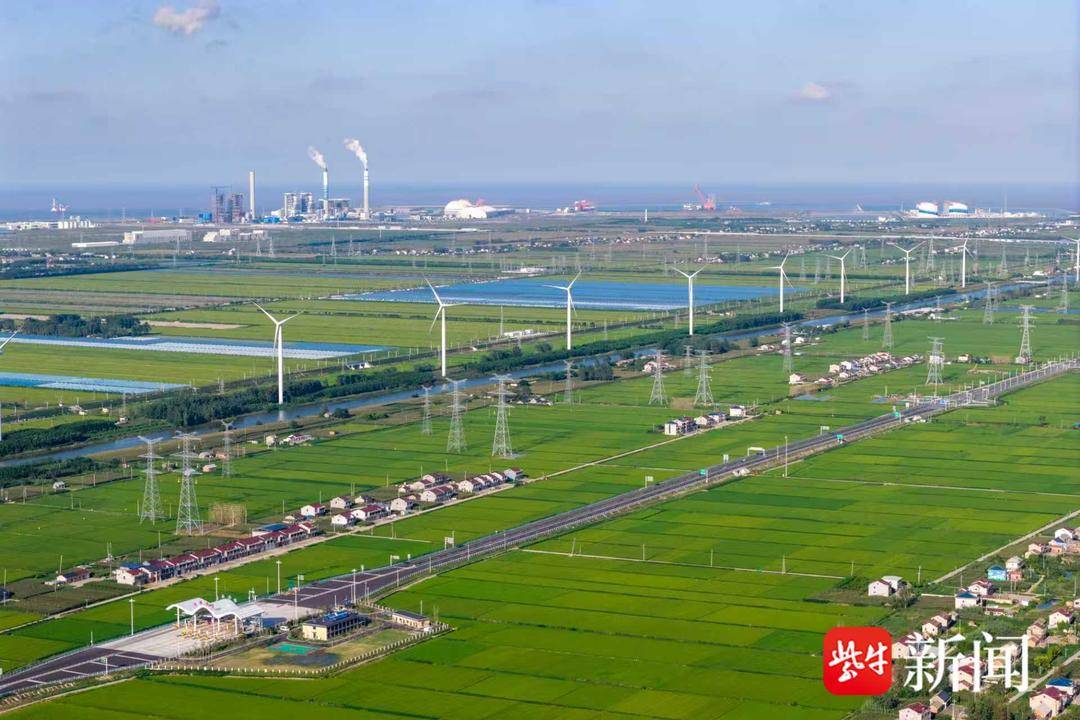
辽宁废止煤电关停等容量替代风电政策
Xin Lang Cai Jing· 2026-01-04 11:30
Core Viewpoint - The Liaoning Provincial Development and Reform Commission has announced the cessation of policies supporting the construction of wind power projects as capacity replacements for shut-down coal power plants, following the completion of project submissions under the 2021 construction plan [2][4][7]. Group 1 - In 2020, the commission developed policy provisions in the "2020 Construction Plan" to support the shutdown of coal power enterprises and promote the development of renewable energy, in line with national requirements to eliminate outdated coal power capacity [4][9]. - The "2021 Construction Plan" referenced the policies from the "2020 Construction Plan" and required local development and reform commissions to report on project owners and scales within six months of the document's issuance [4][9]. - After the completion of project submissions under the "2021 Construction Plan," the policies regarding capacity replacement for coal power shutdowns are no longer in effect [2][7].