
脂溢性皮炎

Search documents
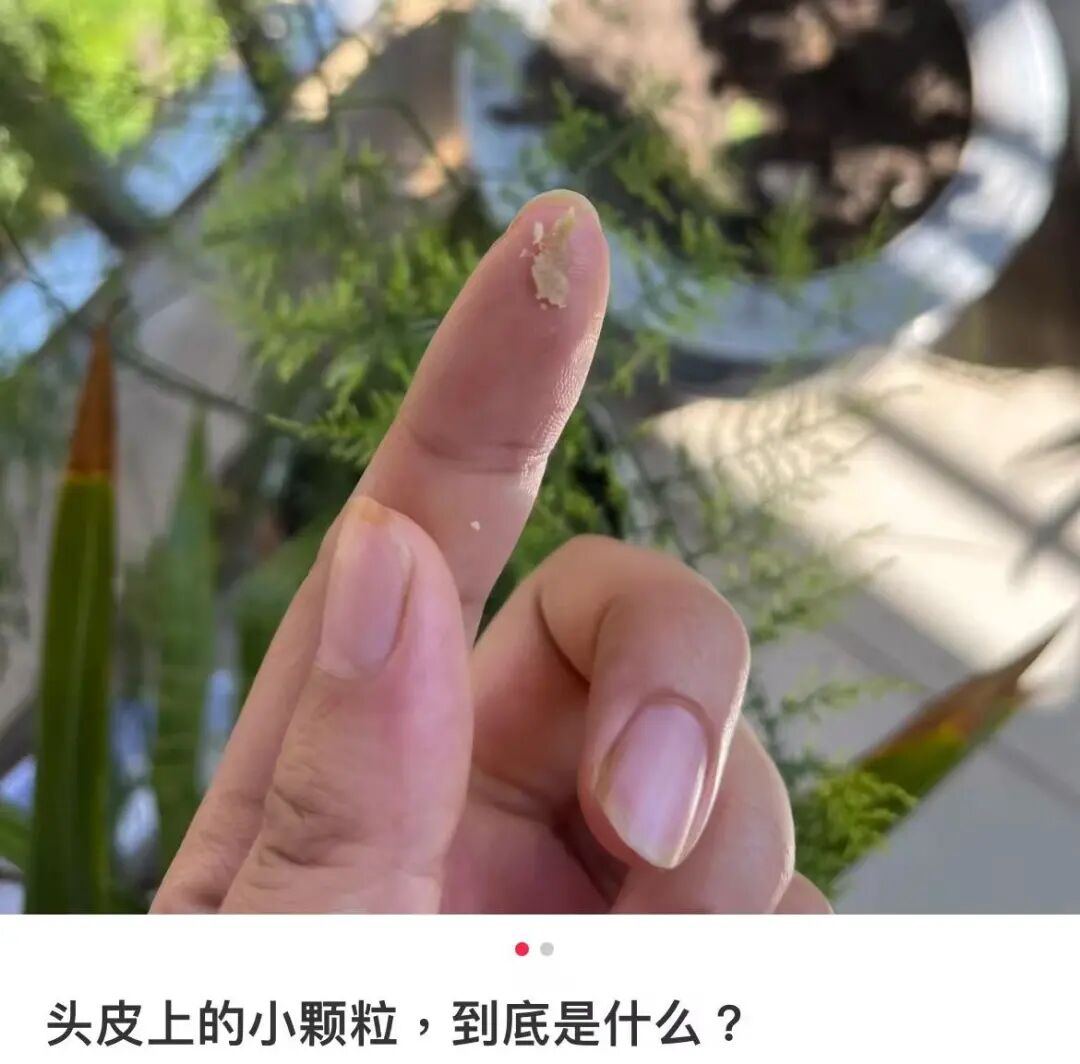
救命!头皮上抠出来的“白泥”到底是啥?会把头抠秃吗?
Xin Lang Cai Jing· 2026-02-10 13:52
Core Viewpoint - The "white mud" found on the scalp after several days without washing is not just dirt but a warning signal for scalp health, indicating an abnormal scalp metabolism and the presence of oily dandruff [1][3]. Group 1: Composition of Scalp Dandruff - Scalp dandruff consists of 50% to 80% of shed keratinocytes, 10% to 30% of skin oils, and 5% to 15% of microorganisms, along with sweat and external dust [4]. - The formation of "white mud" is closely related to an increase in sebum secretion, which occurs when the combined proportion of sebum and microbial metabolic products exceeds 40% [4][6]. Group 2: Factors Influencing Sebum Production - Sebum is produced by sebaceous glands and is significantly influenced by androgens, explaining the increase in oily scalp during puberty [6]. - Dietary habits, irregular sleep patterns, and emotional stress can also affect sebum production, with high sugar and fried food consumption leading to increased oiliness [6]. Group 3: Health Implications of Excess Sebum - Excessive sebum can create an environment for the proliferation of Malassezia, a fungus that can lead to scalp inflammation and increased dandruff [9]. - The presence of Malassezia can break down sebum into irritating fatty acids, exacerbating scalp issues and contributing to the formation of "white mud" [9]. Group 4: Warning Signs for Scalp Health - Yellowish-white flaky scales may indicate seborrheic dermatitis, which can be treated with antifungal shampoos [12]. - Thick silver-white scales could suggest psoriasis, a systemic disease that may require specialized medical attention [15]. - Dry flakes with hair loss may indicate tinea capitis, necessitating antifungal treatment [18]. - Red bumps on the scalp may signal bacterial folliculitis or impetigo, requiring specific treatments [19]. - The presence of lice eggs on hair strands indicates pediculosis capitis, which can be treated with insecticides [22]. Group 5: Recommendations for Scalp Care - Recommended washing frequency varies: oily hair should be washed daily or every other day, while dry hair can be washed every 3 to 4 days [22]. - Use warm water not exceeding 38°C to avoid stimulating excessive sebum production [23]. - Gentle scalp massages with fingertips are advised to prevent damage from nails [24]. - Choosing appropriate hair care products under dermatological guidance is essential, especially for those with seborrheic dermatitis [24]. - Maintaining a balanced diet, regular sleep, and a positive mindset can help manage scalp health [24].

华东医药创新药罗氟司特乳膏0.05%特应性皮炎适应症申报上市,加速切入国内特应性皮炎蓝海市场
Quan Jing Wang· 2026-02-03 10:51
Core Viewpoint - Huadong Medicine's subsidiary, Hangzhou Zhongmei Huadong Pharmaceutical Co., has received acceptance for the marketing authorization application of Roflumilast cream (ZORYVE®) 0.05%, aimed at treating mild to moderate atopic dermatitis in children aged 2 to 5, marking a significant milestone in the product's development and enhancing the company's competitive edge in the autoimmune skin treatment sector [1][2]. Product Advantages - ZORYVE® contains Roflumilast, a highly selective non-steroidal phosphodiesterase-4 (PDE4) inhibitor that reduces inflammation by inhibiting the enzyme that increases pro-inflammatory mediators [2]. - The product was developed in collaboration with Arcutis Biotherapeutics, granting Huadong exclusive rights for development, registration, production, and commercialization in Greater China and Southeast Asia [2]. - Atopic dermatitis is a prevalent chronic inflammatory skin condition affecting both children and adults, with significant impacts on quality of life [2]. Market Demand - There are approximately 67 million atopic dermatitis patients in China, indicating a substantial unmet clinical need, particularly for children aged 1 to 7, with a prevalence rate of 12.94% [3]. - The introduction of Roflumilast cream addresses a clear gap in treatment options for children aged 2 to 5, who currently rely on traditional topical corticosteroids and calcineurin inhibitors [3]. - The cream's once-daily dosing regimen enhances treatment adherence, making it a more suitable option for young patients [3]. Strategic Development - Huadong Medicine is systematically introducing a range of Roflumilast products, including higher concentrations for older patients and other skin conditions, to establish a comprehensive presence in the autoimmune skin disease market [4]. - The company is focusing on a dual strategy of "introducing partnerships" and "independent innovation" to build a competitive product pipeline in autoimmune diseases, covering various conditions such as psoriasis and rheumatoid arthritis [5]. - Ongoing collaborations and clinical trials for other products further demonstrate the company's commitment to expanding its portfolio in the autoimmune sector [6]. Strategic Partnerships - In early 2026, Huadong Medicine deepened its strategic partnership with Denmark's MC2 Therapeutics to commercialize the Biomee® series in Greater China, enhancing its position in the topical skin treatment market [7]. - The acceptance of the Roflumilast cream application signifies the company's innovative capabilities and marks a phase of growth in the autoimmune skin disease field [7]. - With multiple differentiated product pipelines, Huadong Medicine aims to strengthen its influence in the multi-billion-dollar autoimmune market in China [7].
