头皮健康管理

Search documents
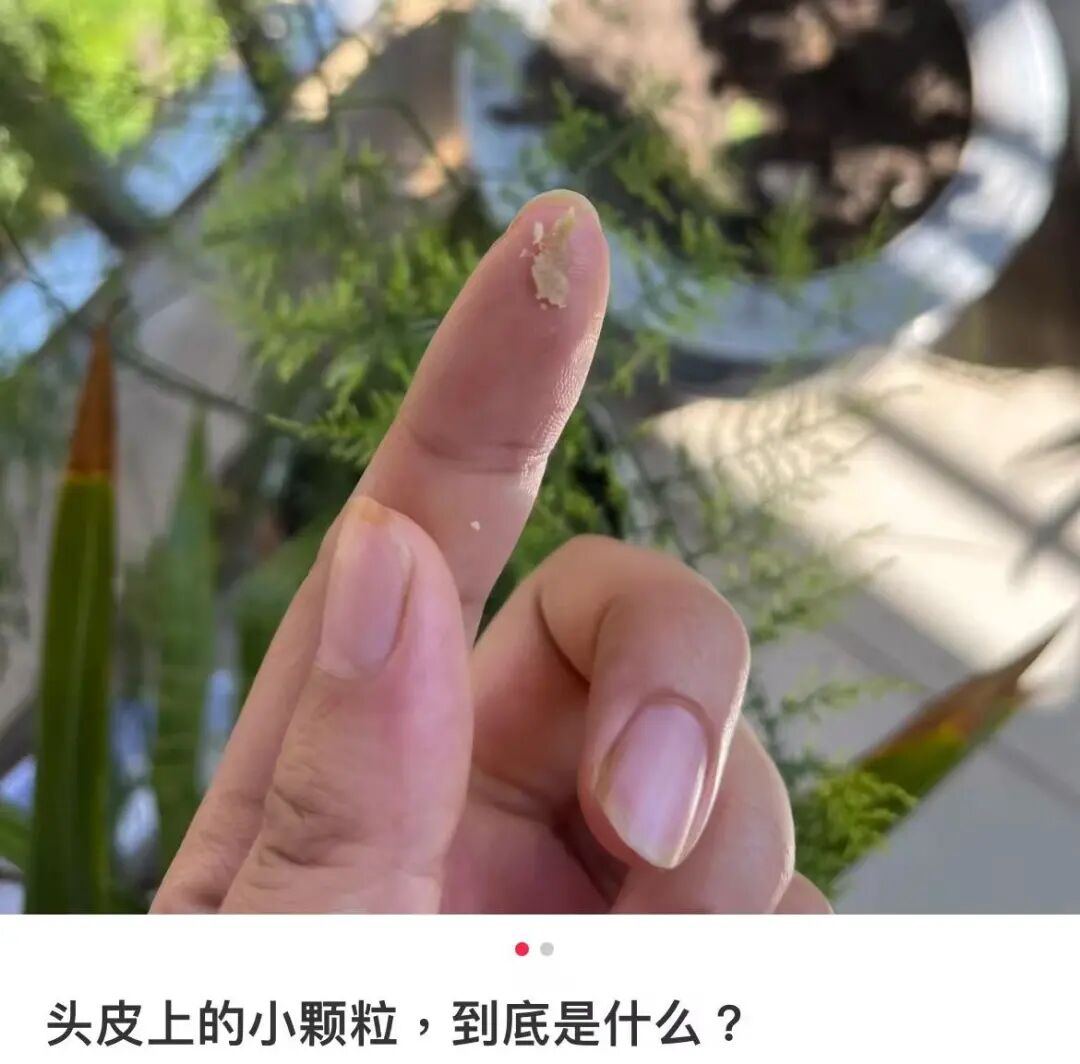
救命!头皮上抠出来的“白泥”到底是啥?会把头抠秃吗?
Xin Lang Cai Jing· 2026-02-10 13:52
Core Viewpoint - The "white mud" found on the scalp after several days without washing is not just dirt but a warning signal for scalp health, indicating an abnormal scalp metabolism and the presence of oily dandruff [1][3]. Group 1: Composition of Scalp Dandruff - Scalp dandruff consists of 50% to 80% of shed keratinocytes, 10% to 30% of skin oils, and 5% to 15% of microorganisms, along with sweat and external dust [4]. - The formation of "white mud" is closely related to an increase in sebum secretion, which occurs when the combined proportion of sebum and microbial metabolic products exceeds 40% [4][6]. Group 2: Factors Influencing Sebum Production - Sebum is produced by sebaceous glands and is significantly influenced by androgens, explaining the increase in oily scalp during puberty [6]. - Dietary habits, irregular sleep patterns, and emotional stress can also affect sebum production, with high sugar and fried food consumption leading to increased oiliness [6]. Group 3: Health Implications of Excess Sebum - Excessive sebum can create an environment for the proliferation of Malassezia, a fungus that can lead to scalp inflammation and increased dandruff [9]. - The presence of Malassezia can break down sebum into irritating fatty acids, exacerbating scalp issues and contributing to the formation of "white mud" [9]. Group 4: Warning Signs for Scalp Health - Yellowish-white flaky scales may indicate seborrheic dermatitis, which can be treated with antifungal shampoos [12]. - Thick silver-white scales could suggest psoriasis, a systemic disease that may require specialized medical attention [15]. - Dry flakes with hair loss may indicate tinea capitis, necessitating antifungal treatment [18]. - Red bumps on the scalp may signal bacterial folliculitis or impetigo, requiring specific treatments [19]. - The presence of lice eggs on hair strands indicates pediculosis capitis, which can be treated with insecticides [22]. Group 5: Recommendations for Scalp Care - Recommended washing frequency varies: oily hair should be washed daily or every other day, while dry hair can be washed every 3 to 4 days [22]. - Use warm water not exceeding 38°C to avoid stimulating excessive sebum production [23]. - Gentle scalp massages with fingertips are advised to prevent damage from nails [24]. - Choosing appropriate hair care products under dermatological guidance is essential, especially for those with seborrheic dermatitis [24]. - Maintaining a balanced diet, regular sleep, and a positive mindset can help manage scalp health [24].

知行数据观察:洗发护发品类
知行战略咨询· 2026-01-28 13:55
Investment Rating - The report rates the shampoo and hair care industry as having significant long-term growth potential, with a projected market size exceeding 80 billion yuan by 2029, indicating a robust investment opportunity [8]. Core Insights - The industry is transitioning from "incremental expansion" to "stock deepening," reflecting a shift in focus towards consumer needs for scalp care and functional products, driven by consumption upgrades and the rise of domestic brands [8][20]. - The market is characterized by a strong demand for specialized products, particularly in the anti-hair loss and oil control segments, which are experiencing high growth rates [10][16]. Summary by Sections Industry Definition and Classification - Shampoo and hair care products are personal care items designed to clean hair, regulate scalp ecology, and improve hair condition, with a focus on gentle formulations for daily and professional use [6]. Market Trends - From 2019 to 2023, the market size has shown steady growth, with a forecasted increase to over 80 billion yuan by 2029, driven by consumer demand for effective scalp care and the rise of domestic brands [8][9]. - The market is shifting from basic cleaning products to scalp health management, with high growth in anti-hair loss and oil control products [10]. Product Performance - The main functions in the market include cleaning (18% market share, 0% growth), oil control (12%, 11% growth), and anti-dandruff (10%, -2% growth), while anti-hair loss products are leading with over 70% growth [10][11]. - In the hair care segment, deep care functions like repair (30% growth) and nourishment (24% growth) are outperforming traditional functions, indicating a shift in consumer preferences towards more specialized products [13][14]. Supply and Demand Analysis - High-demand, low-supply opportunities exist in areas like "anti-breakage" and "strengthening hair," which show significant growth potential [16]. - The competitive landscape is marked by a clear distinction between high-demand, high-supply segments and emerging opportunities, suggesting a need for strategic positioning in product offerings [16]. Online Market Dynamics - The online market for shampoo and hair care products is expanding rapidly, with sales projected to grow from 34.42 billion yuan in 2023 to 48.2 billion yuan by 2025, indicating a shift towards digital channels [20][21]. - The rise of platforms like Douyin is reshaping the competitive landscape, with significant sales growth and a shift in pricing strategies between platforms [22][39]. Brand Performance - International brands dominate the Taobao platform, while domestic brands are gaining traction on Douyin, highlighting a divergence in market strategies and consumer preferences [33][39]. - Notable growth is observed in domestic brands on Douyin, with some achieving over 1000% growth, reflecting a strong demand for affordable and effective products [33].
深度|673个产品“持证上岗”,防脱赛道迎来两重挑战
FBeauty未来迹· 2025-10-28 13:20
Core Insights - The current market for hair care brands in China is experiencing significant growth, with a clear delineation of brand tiers based on sales thresholds [3][4] - The scalp health market is expanding rapidly, with a projected market size of 600 billion yuan by 2025, reflecting a stable growth rate of around 10% [5] - The anti-hair loss segment is the most competitive area within the hair care market, with the Chinese market expected to reach 300 billion yuan by 2030, accounting for nearly one-third of the overall hair care market [6] Market Dynamics - The hair care market is characterized by high growth, high prices, and low consumer trust, driven by increasingly discerning consumers and tightening industry regulations [11][12] - The demand for anti-hair loss products has evolved from traditional concepts to a more systematic approach to scalp health management, with a younger and more diverse consumer base [12] - Regulatory frameworks are becoming more stringent, requiring anti-hair loss products to meet high standards of proof regarding efficacy and safety [13][14] Competitive Landscape - The market is witnessing a division among brands, with a focus on "certified" products and specialized offerings, as evidenced by the significant number of new certifications issued for anti-hair loss products [17][19] - Major international brands dominate the high-end market, while local brands leverage unique concepts and certifications to differentiate themselves [21] - The competition is shifting towards technological innovation and trust-building, with brands needing to demonstrate clinical validation and effective solutions [23][31] Innovation and Trust - The industry faces challenges related to ingredient efficacy and consumer skepticism, necessitating breakthroughs in formulation and delivery methods [25][28] - Brands are increasingly focusing on establishing trust through transparent communication of product efficacy and user experiences [29][31] - The successful brands in the future will likely be those that can balance technical advancements with consumer trust and emotional connections [31]