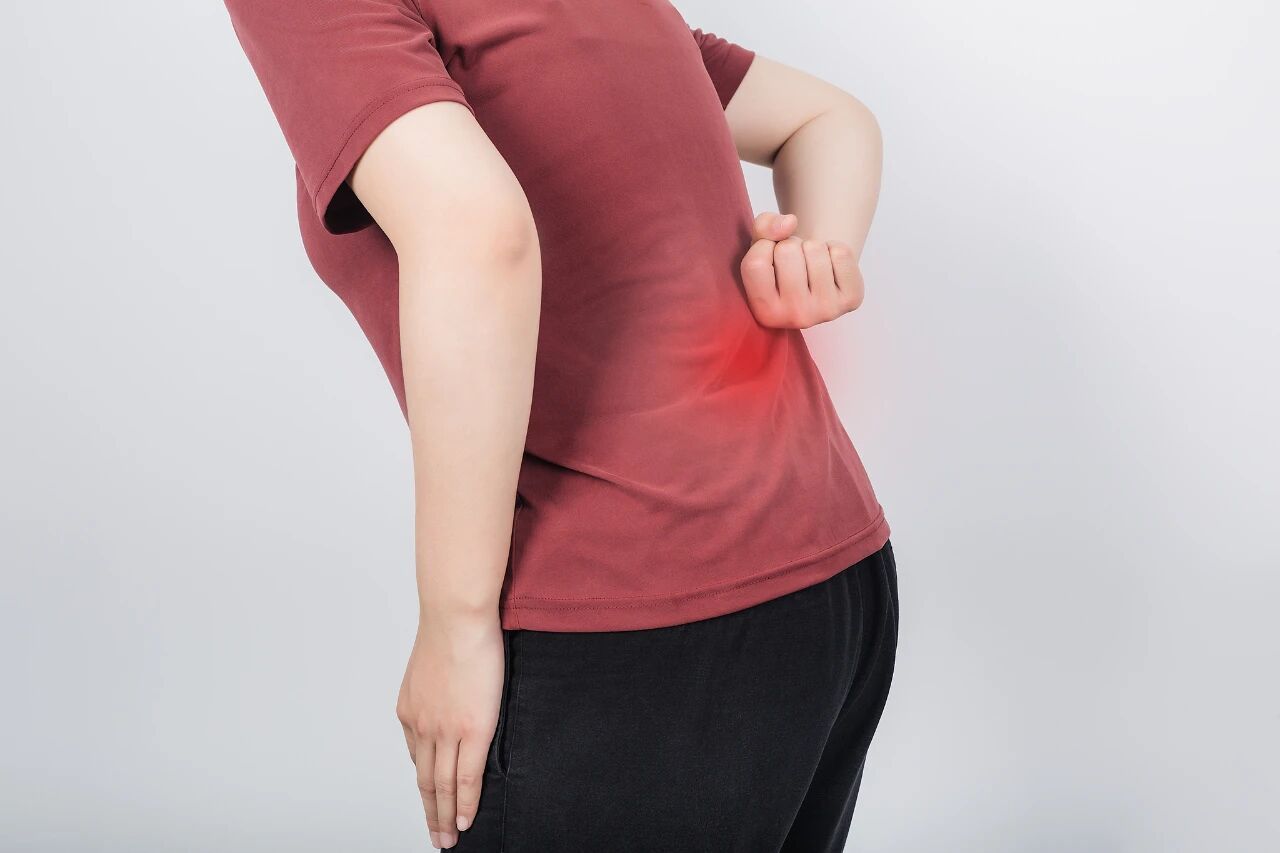
脆性骨折

Search documents
天天补钙仍然骨质疏松,问题出在哪?
Ren Min Ri Bao· 2025-11-28 00:31
Core Viewpoint - Osteoporosis is a complex condition not solely caused by calcium deficiency, but rather a combination of decreased bone mineral content and quality, leading to increased fracture risk [2][3] Epidemiology - The prevalence of osteoporosis in individuals over 50 years old in China is 19.2%, with women at 32.1% and men at 6.9%. For those over 65, the prevalence rises to 32.0%, with women at 51.6% and men at 10.7% [3] - Approximately 90 million people in China are estimated to suffer from osteoporosis, with around 70 million being women, particularly postmenopausal women [3] Risk Factors - Non-controllable risk factors include aging, menopause in women, and family history of fragility fractures [5] - Controllable risk factors encompass unhealthy lifestyles, diseases affecting bone metabolism, and certain medications [6] Calcium and Vitamin D - Calcium supplementation must be paired with Vitamin D to enhance absorption; without Vitamin D, calcium intake may not be effectively utilized by the body [7][9] - Vitamin D synthesis requires sunlight exposure, and dietary sources are limited, making supplementation necessary for high-risk groups [9] Diagnosis and Screening - The gold standard for diagnosing osteoporosis is the dual-energy X-ray absorptiometry (DXA) scan, with a T-score of ≤ -2.5 indicating osteoporosis [10][11] - Screening is recommended for women aged 65 and older and men aged 70 and older, with earlier screening for those with specific risk factors [12] Symptoms and Public Awareness - Osteoporosis is often asymptomatic in early stages, leading to a lack of awareness until a fracture occurs [13] - Common misconceptions include equating osteoporosis solely with calcium deficiency and believing it only affects the elderly [13]
天天补钙仍然骨质疏松,问题出在哪?(健康驿站)
Ren Min Ri Bao Hai Wai Ban· 2025-11-27 22:46
Core Viewpoint - Osteoporosis is a complex condition not solely caused by calcium deficiency, but rather a combination of decreased bone mineral content and quality, leading to increased fracture risk [2][3] Group 1: Understanding Osteoporosis - Osteoporosis is characterized by a reduction in both bone mineral content and bone quality, which together lower bone strength and increase fragility [2] - The prevalence of osteoporosis in individuals over 50 years old is 19.2%, with women at 32.1% and men at 6.9%. For those over 65, the prevalence rises to 32.0%, with women at 51.6% and men at 10.7% [3] Group 2: Risk Factors - Risk factors for osteoporosis are categorized into uncontrollable factors such as age, menopause, and family history of fractures [5] - Controllable factors include unhealthy lifestyles, diseases affecting bone metabolism, and certain medications [6] Group 3: Calcium and Vitamin D - Many individuals supplement calcium but still experience bone density loss, indicating that calcium deficiency is more accurately described as a decrease in bone mineral content [7][8] - Vitamin D is essential for calcium absorption, acting as a "navigator" to facilitate calcium uptake in the intestines [9] Group 4: Diagnosis and Screening - The gold standard for diagnosing osteoporosis is the dual-energy X-ray absorptiometry (DXA) scan, which measures bone density [10] - It is recommended that women over 65 and men over 70 undergo routine bone density screening, with earlier screening for those with risk factors [12] Group 5: Public Awareness and Misconceptions - Osteoporosis is often referred to as a "silent disease" due to the lack of symptoms in early stages, leading to potential fractures from minor incidents [13] - Common misconceptions include the belief that osteoporosis is solely a calcium deficiency or that it only affects the elderly, which can delay necessary interventions [13]
身体有这5种表现,说明你的骨头已经悄悄变脆了!
Yang Shi Xin Wen· 2025-09-14 01:02
Core Insights - Osteoporosis is a silent condition where bone loss exceeds bone formation, leading to increased fracture risk, particularly hip fractures which have a mortality rate exceeding 20% within a year after occurrence [1][8] Group 1: Early Signs of Osteoporosis - **Sign 1: Unexplained Back Pain and Height Loss** Persistent back pain and noticeable height reduction (over 3 cm) can indicate vertebral compression fractures due to bone loss [3][4] - **Sign 2: Loose Teeth and Alveolar Bone Loss** Weakening of the alveolar bone can lead to loose teeth and gum recession, signaling potential systemic bone density issues [4] - **Sign 3: Fragile Bones** Fragile fractures occurring from minimal trauma, known as "fragility fractures," are a direct consequence of osteoporosis [6][8] - **Sign 4: Muscle Weakness and Cramps** Osteoporosis often accompanies sarcopenia, leading to decreased muscle strength and increased fall risk [9] - **Sign 5: Brittle Nails** Changes in nail health, such as increased brittleness, may reflect underlying calcium and collagen loss [10] Group 2: Prevention and Management Strategies - **Nutrition** Adequate calcium intake is crucial, with recommendations of 1000 mg daily for adults and 1200 mg for older adults. Foods rich in calcium include dairy products, tofu, and leafy greens [13] Vitamin D is essential for calcium absorption, with a daily requirement of 800-1000 IU [14] Sufficient protein intake is necessary for bone matrix formation, with recommendations of 1.0-1.2 g/kg body weight [15] - **Exercise** Weight-bearing exercises, such as brisk walking, are recommended to stimulate bone strength. Resistance training and balance exercises are also critical for preventing falls [17][18][20] - **Lifestyle Modifications** Avoiding smoking and excessive alcohol consumption, as well as reducing caffeine and carbonated drink intake, can help maintain bone health [24][25][26] Ensuring a safe living environment to prevent falls is also essential [27]