
脑鸣

Search documents
头晕、手臂无力、口齿不清 可能是急性脑卒中!尽快就医别耽误!
Yang Shi Wang· 2026-01-25 13:30
Core Viewpoint - The recent cold wave in northern China has led to a significant increase in stroke cases, particularly in the elderly, highlighting the health risks associated with sudden temperature drops [1][2][4]. Group 1: Stroke Incidence and Risk Factors - Clinical studies indicate that for every 1°C drop in temperature, the risk of stroke increases by approximately 1.13% [4]. - Since the onset of winter, the number of stroke patients treated at the First Affiliated Hospital of China Medical University has risen by 30% to 40% [4]. - The trend shows a notable increase in stroke cases among younger individuals, with a 40% rise in the incidence of ischemic strokes in people aged 18 to 45 over the past decade [6]. Group 2: Emergency Response and Treatment - Stroke is the leading cause of death and disability in China, with nearly 15 million stroke patients and 3.3 million new cases annually [9]. - The "120 rule" has been introduced to help quickly identify acute strokes, emphasizing the importance of immediate medical attention within the critical 4.5-hour window for effective treatment [10][18]. - The average time from patient arrival to thrombolysis treatment in Hai'an has been reduced to 37 minutes, showcasing improvements in emergency response [21]. Group 3: Public Health Initiatives - The "Million Reduction of Disability Project" aims to reduce new cases of disability from strokes by 1 million by 2030, with a focus on building stroke centers and improving emergency response systems [19]. - Nationwide, stroke centers now cover 718 tertiary hospitals and 1,550 secondary hospitals, creating a comprehensive treatment network [23]. - The initiative has led to a median time of 40 minutes for stroke patients from admission to thrombolysis, surpassing the international standard of 60 minutes [21].

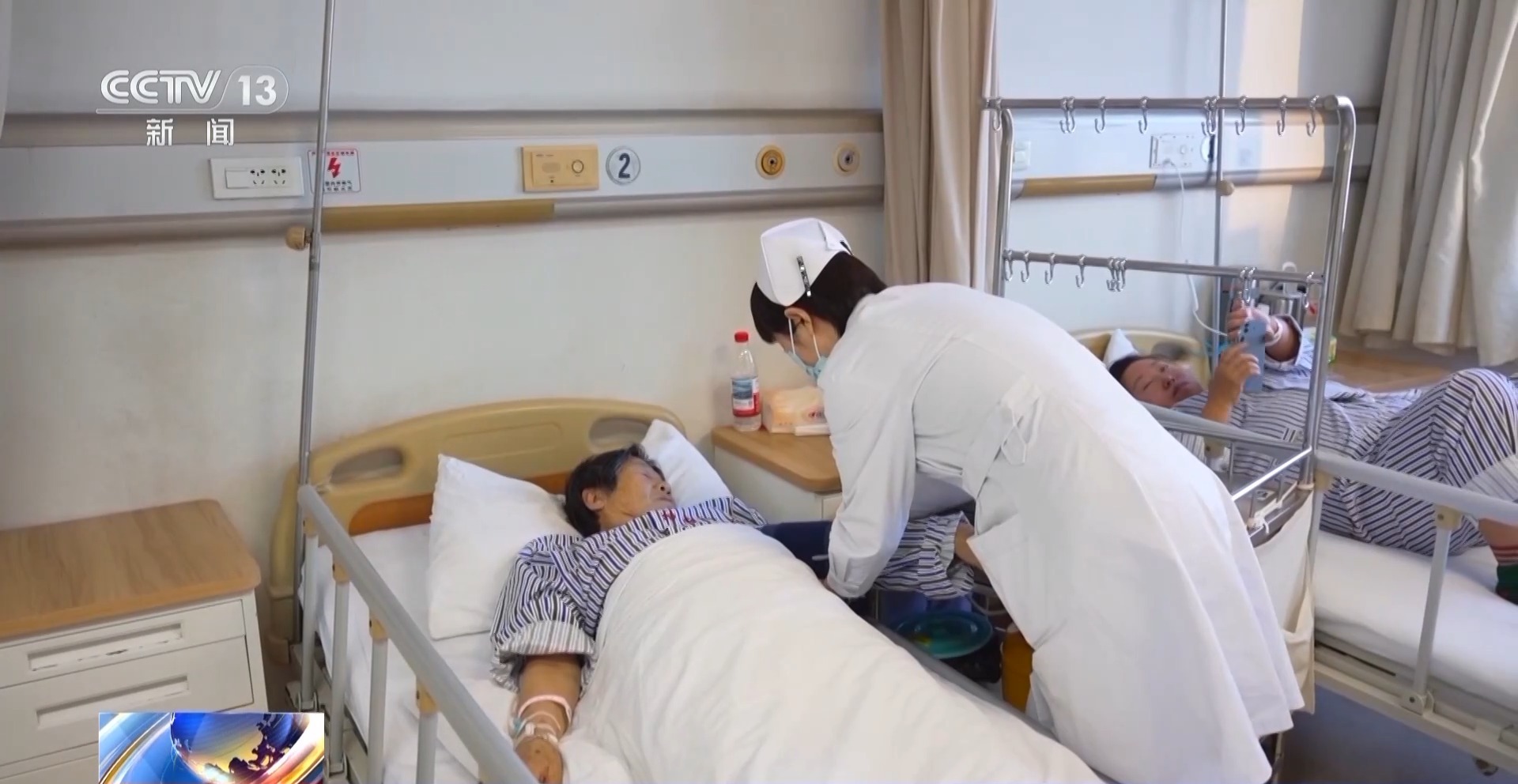
头晕、手臂无力、口齿不清……可能是急性脑卒中!尽快就医别耽误
Xin Lang Cai Jing· 2026-01-25 11:02
Core Viewpoint - The article highlights the significant increase in stroke cases in northern China due to a recent cold wave, emphasizing the correlation between temperature drops and the risk of cerebrovascular diseases [1][3][5]. Group 1: Stroke Incidence and Risk Factors - Clinical studies indicate that for every 1°C drop in temperature, the risk of stroke increases by approximately 1.13% [3]. - Since the onset of winter, the emergency department at China Medical University Affiliated First Hospital has seen a 30% to 40% increase in stroke cases [3]. - The drop in temperature leads to blood vessel constriction and increased blood viscosity, which are significant risk factors for stroke [5]. Group 2: Demographics and Trends - There is a rising trend in stroke incidence among younger individuals, with a 40% increase in the rate of ischemic strokes among those aged 18 to 45 globally over the past decade [7]. - The average age of stroke patients is decreasing, with cases reported in individuals as young as 16 years old [9]. Group 3: Emergency Response and Treatment - Stroke is the leading cause of death and disability in China, with nearly 15 million stroke patients and 3.3 million new cases annually [9]. - The "120" emergency response protocol is crucial for timely treatment, as every minute of delay results in the death of approximately 1.9 million brain cells [9]. - The implementation of the "Million Reduction of Disability Project" aims to reduce new cases of disability from stroke by 1 million by 2030, with a focus on building stroke centers and improving emergency response times [18][20]. Group 4: Community Health Initiatives - Jiangsu Province has invested in building a three-tiered prevention and treatment system for stroke, ensuring rapid treatment for patients [18]. - The average time from patient arrival to thrombolysis in Hai'an City has been reduced to 37 minutes, significantly improving outcomes [18]. - Nationwide, the median time from hospital admission to thrombolysis has decreased to 40 minutes, surpassing the international standard of 60 minutes [20]. Group 5: Awareness and Education - Experts emphasize the importance of recognizing stroke symptoms and the need for immediate medical attention to avoid missing critical treatment windows [9][13]. - Educational initiatives are underway to improve public awareness of stroke risks and symptoms, particularly among high-risk populations [20].