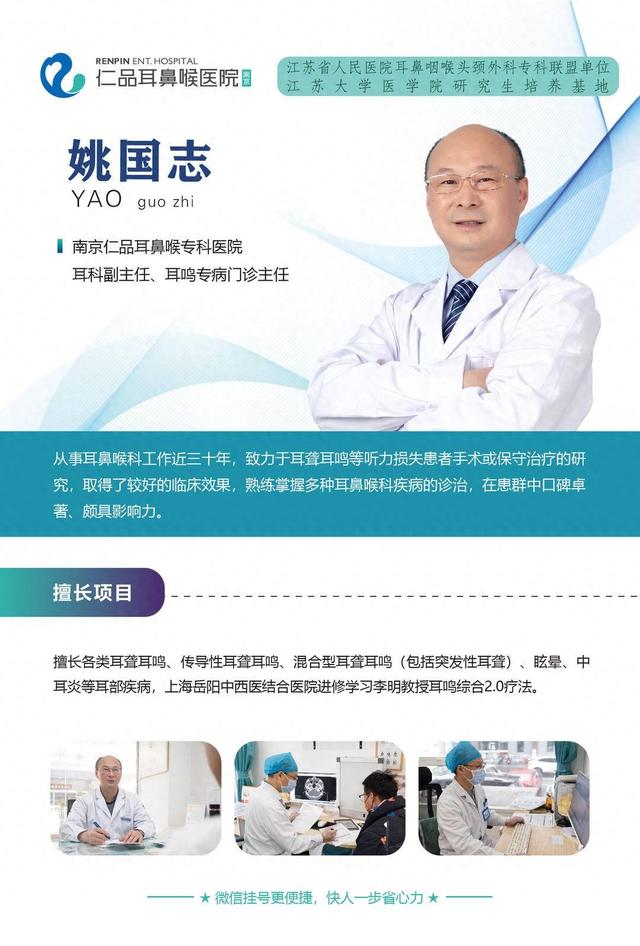
耳鸣

Search documents
头晕、手臂无力、口齿不清 可能是急性脑卒中!尽快就医别耽误!
Yang Shi Wang· 2026-01-25 13:30
Core Viewpoint - The recent cold wave in northern China has led to a significant increase in stroke cases, particularly in the elderly, highlighting the health risks associated with sudden temperature drops [1][2][4]. Group 1: Stroke Incidence and Risk Factors - Clinical studies indicate that for every 1°C drop in temperature, the risk of stroke increases by approximately 1.13% [4]. - Since the onset of winter, the number of stroke patients treated at the First Affiliated Hospital of China Medical University has risen by 30% to 40% [4]. - The trend shows a notable increase in stroke cases among younger individuals, with a 40% rise in the incidence of ischemic strokes in people aged 18 to 45 over the past decade [6]. Group 2: Emergency Response and Treatment - Stroke is the leading cause of death and disability in China, with nearly 15 million stroke patients and 3.3 million new cases annually [9]. - The "120 rule" has been introduced to help quickly identify acute strokes, emphasizing the importance of immediate medical attention within the critical 4.5-hour window for effective treatment [10][18]. - The average time from patient arrival to thrombolysis treatment in Hai'an has been reduced to 37 minutes, showcasing improvements in emergency response [21]. Group 3: Public Health Initiatives - The "Million Reduction of Disability Project" aims to reduce new cases of disability from strokes by 1 million by 2030, with a focus on building stroke centers and improving emergency response systems [19]. - Nationwide, stroke centers now cover 718 tertiary hospitals and 1,550 secondary hospitals, creating a comprehensive treatment network [23]. - The initiative has led to a median time of 40 minutes for stroke patients from admission to thrombolysis, surpassing the international standard of 60 minutes [21].

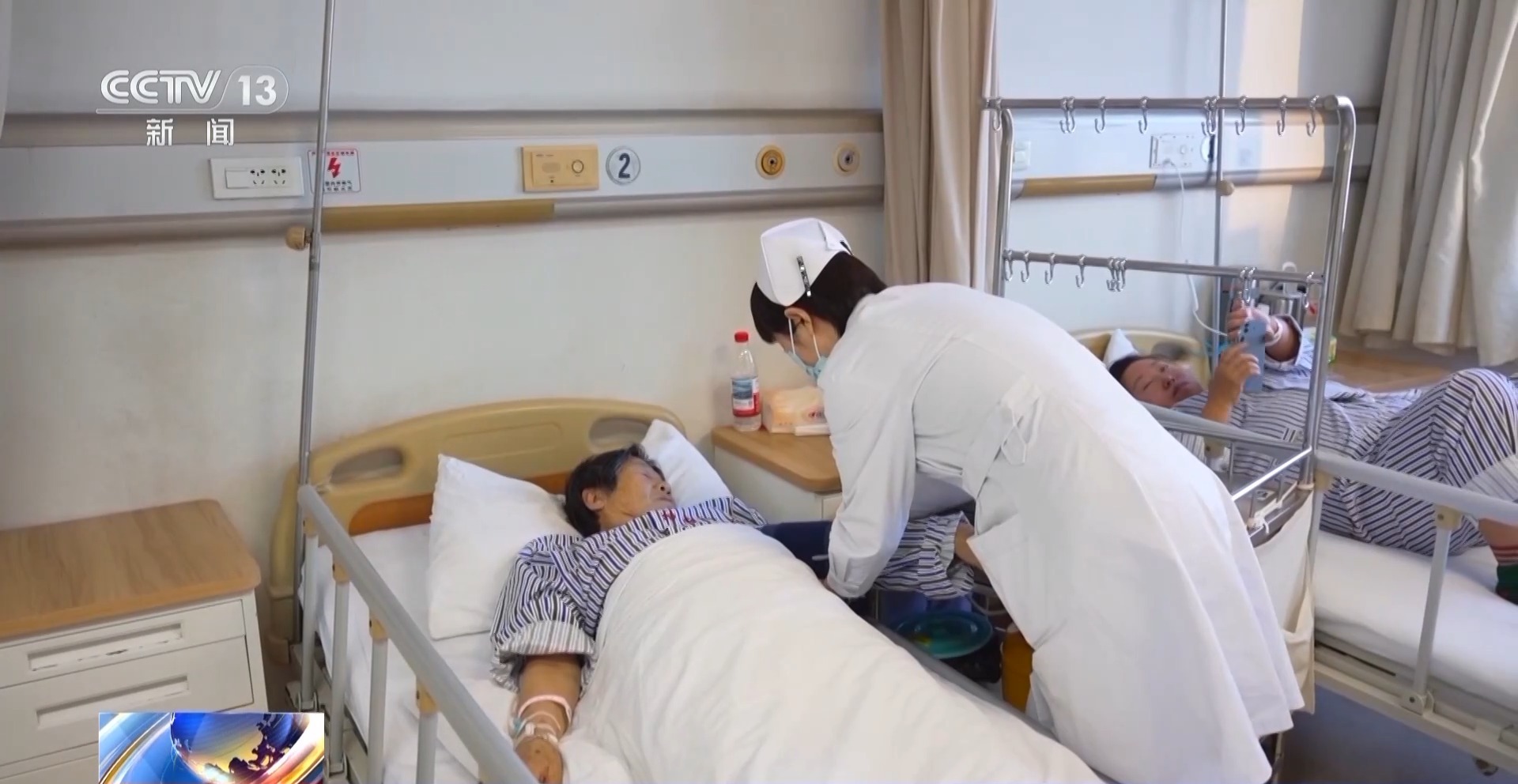
头晕、手臂无力、口齿不清……可能是急性脑卒中!尽快就医别耽误
Xin Lang Cai Jing· 2026-01-25 11:02
Core Viewpoint - The article highlights the significant increase in stroke cases in northern China due to a recent cold wave, emphasizing the correlation between temperature drops and the risk of cerebrovascular diseases [1][3][5]. Group 1: Stroke Incidence and Risk Factors - Clinical studies indicate that for every 1°C drop in temperature, the risk of stroke increases by approximately 1.13% [3]. - Since the onset of winter, the emergency department at China Medical University Affiliated First Hospital has seen a 30% to 40% increase in stroke cases [3]. - The drop in temperature leads to blood vessel constriction and increased blood viscosity, which are significant risk factors for stroke [5]. Group 2: Demographics and Trends - There is a rising trend in stroke incidence among younger individuals, with a 40% increase in the rate of ischemic strokes among those aged 18 to 45 globally over the past decade [7]. - The average age of stroke patients is decreasing, with cases reported in individuals as young as 16 years old [9]. Group 3: Emergency Response and Treatment - Stroke is the leading cause of death and disability in China, with nearly 15 million stroke patients and 3.3 million new cases annually [9]. - The "120" emergency response protocol is crucial for timely treatment, as every minute of delay results in the death of approximately 1.9 million brain cells [9]. - The implementation of the "Million Reduction of Disability Project" aims to reduce new cases of disability from stroke by 1 million by 2030, with a focus on building stroke centers and improving emergency response times [18][20]. Group 4: Community Health Initiatives - Jiangsu Province has invested in building a three-tiered prevention and treatment system for stroke, ensuring rapid treatment for patients [18]. - The average time from patient arrival to thrombolysis in Hai'an City has been reduced to 37 minutes, significantly improving outcomes [18]. - Nationwide, the median time from hospital admission to thrombolysis has decreased to 40 minutes, surpassing the international standard of 60 minutes [20]. Group 5: Awareness and Education - Experts emphasize the importance of recognizing stroke symptoms and the need for immediate medical attention to avoid missing critical treatment windows [9][13]. - Educational initiatives are underway to improve public awareness of stroke risks and symptoms, particularly among high-risk populations [20].
单侧耳鸣,别大意!可能是这类肿瘤的前期症状
Xin Lang Cai Jing· 2026-01-10 09:08
Core Viewpoint - The article emphasizes the importance of recognizing tinnitus as a potential warning sign of serious health issues, particularly acoustic neuroma, which can lead to severe symptoms if not diagnosed and treated promptly [1][4][5]. Group 1: Acoustic Neuroma Overview - Acoustic neuroma is a common benign intracranial tumor that typically affects individuals aged 30-50 years and grows slowly, often leading to misdiagnosis due to non-specific early symptoms [4]. - Tinnitus is the most common early symptom of acoustic neuroma, often perceived as a single-sided, persistent sound similar to cicadas or electrical noise [5]. Group 2: Symptoms and Risks - As the tumor grows, it can compress the auditory nerve, leading to hearing loss, and if it affects the facial nerve, it may cause facial numbness, spasms, or paralysis. Compression of the vestibular nerve or brainstem can result in unsteadiness, dizziness, headaches, and nausea [5][6]. - Many patients have been diagnosed with acoustic neuroma only after presenting with tinnitus or hearing loss, often when the tumor has reached a significant size, making complete recovery of hearing difficult even after surgical removal [5]. Group 3: Diagnosis and Treatment - Diagnosis of acoustic neuroma primarily involves hearing tests, CT scans, and MRI to identify any space-occupying lesions in the internal auditory canal, which is crucial for early detection [6]. - Early detection and diagnosis can lead to more timely and effective treatment options. Treatment plans are individualized based on tumor size, patient age, and hearing status, with early-stage patients possibly undergoing observation, while later-stage patients may require surgical intervention or stereotactic radiation therapy [6].
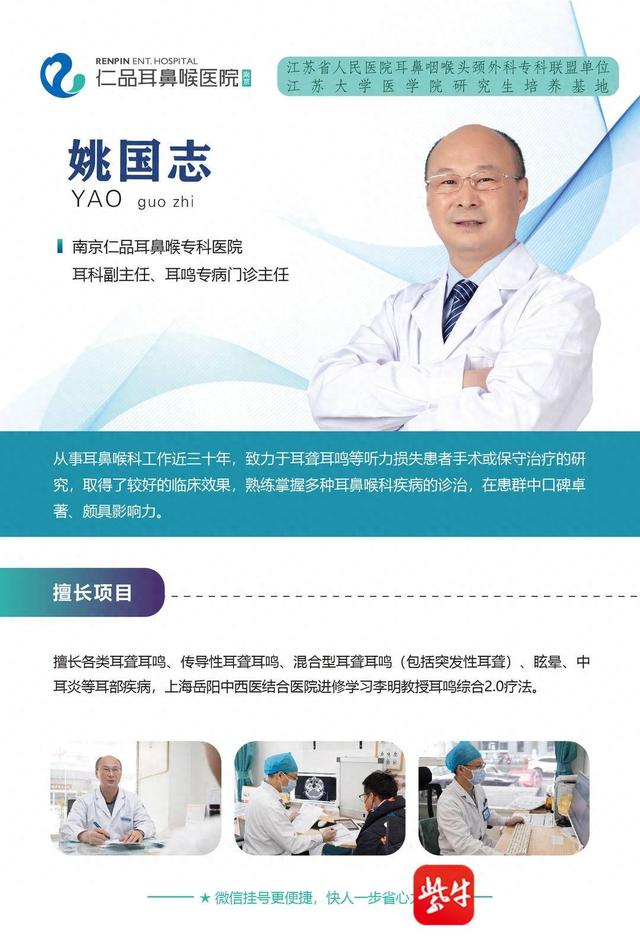
产后焦虑不是“矫情”,28岁宝妈“鸣”响健康警报
Xin Lang Cai Jing· 2025-12-26 13:54
Core Viewpoint - The article highlights the mental and physical health challenges faced by postpartum women, particularly focusing on anxiety and its potential physical manifestations such as tinnitus [1][4][5]. Group 1: Health Issues - Postpartum women, like the 28-year-old mother mentioned, often experience significant stress and anxiety due to the demands of caring for a newborn, which can lead to physical symptoms such as tinnitus [1][4]. - The article emphasizes that prolonged anxiety and sleep deprivation can adversely affect blood circulation and nerve function, potentially resulting in conditions like tinnitus [4]. Group 2: Professional Advice - Medical professionals, such as Dr. Yao Guozhi, stress the importance of recognizing postpartum anxiety as a legitimate health issue that requires attention and treatment [5][6]. - Recommendations for managing these health issues include self-regulation techniques, seeking support from family, and engaging in relaxation practices like deep breathing and meditation [5][6]. Group 3: Call to Action - The article encourages individuals experiencing persistent symptoms of anxiety and tinnitus to seek professional medical help to avoid worsening their condition [6].