
脱碳政策

Search documents
浙江沪杭甬拟注资2.26亿元收购浙江交投中碳环境科技11.67%股权
Zhi Tong Cai Jing· 2025-12-31 14:36
Core Insights - The target company is a digital integrated energy service provider focusing on solar power generation, grid, energy storage, and flexible load systems, aiming to create a smart ecosystem [1] - The strategic core includes integrated energy services and investment in new energy assets, with a focus on distributed photovoltaic systems for industrial and residential rooftops, electric vehicle charging networks, and energy storage systems [1] - The company plans to develop low-carbon demonstration projects in high-value scenarios such as transportation hubs and industrial parks, utilizing long-term service contracts and energy-as-a-service models for stable returns [1] Investment Agreement - The signing of the investment agreement will enable the group to quickly enter the high-growth green energy sector, diversifying revenue through flexible cash inflows and creating operational synergies with existing transportation assets [2] - The investment amounts to RMB 226 million for an 11.6733% equity stake in the target company, which will not become a subsidiary of the group after the investment [3]
欧美燃油车政策急转,汽车产业重组压力增强
3 6 Ke· 2025-12-18 03:25
Core Viewpoint - The automotive industry is experiencing a shift in policy, leading to collaborations among major companies like Renault and Ford to mitigate the financial burden of developing both electric vehicles (EVs) and internal combustion engine (ICE) vehicles [2][7]. Group 1: Policy Changes and Industry Impact - The EU has decided to allow the continued sale of ICE vehicles after 2035 under certain conditions, such as using "green steel" in production, which may benefit manufacturers like Toyota and Honda known for hybrid vehicles [2][11]. - The EU's decision to relax its 2035 ban on ICE vehicles and the U.S. easing emissions regulations reflect a slower-than-expected adoption of EVs, prompting automakers to balance the development of both EVs and ICE vehicles [2][6]. - The EU plans to create a new category for small EVs under 4.2 meters to lower costs and promote adoption, alongside requiring a certain percentage of corporate vehicles to be zero-emission by 2030 [5][6]. Group 2: Collaborations Among Automakers - Renault and Ford announced a partnership to develop and produce EVs in Europe, aiming to enhance operational efficiency in the region [7][8]. - Other notable collaborations include General Motors and Hyundai in North America, Nissan and Honda in the U.S., and Mercedes-Benz and BMW discussing engine supply cooperation [8]. - The trend of collaboration is driven by the need to reduce costs and streamline operations amid rising pressures from competitors, particularly from Chinese EV manufacturers [7][9]. Group 3: Competitive Landscape - Chinese EV manufacturers, led by BYD, are gaining market share in Europe, increasing from 9% to 12% within a year, thanks to government subsidies and cost advantages [11]. - The dominance of China in the rare earth production and processing necessary for EV batteries strengthens its position in the global EV market [11]. - The pressure from Chinese companies and the need for industry restructuring compel European and American automakers to accelerate the development of next-generation technologies while leveraging the extended timeline for ICE vehicles [11].

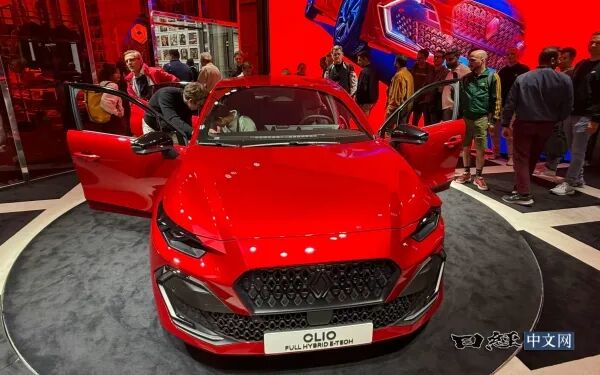
欧美燃油车政策急转,汽车产业重组压力增强
日经中文网· 2025-12-18 03:01
Group 1 - Renault and Ford have decided to collaborate on vehicle development in Europe to alleviate the burden of redundant investments in electric vehicles (EVs) and internal combustion engine (ICE) vehicles [2][8] - The EU has announced a plan to allow the continued sale of ICE vehicles after 2035 under certain conditions, including the use of "green steel" [4] - The EU will create a new category for small EVs under 4.2 meters in length to promote their adoption by lowering technical requirements and providing incentives for locally produced small EVs [6] Group 2 - The EU's decision to allow the sale of ICE vehicles while promoting EVs has been criticized for creating confusion within the automotive industry [7] - Major automotive companies are increasingly collaborating to reduce costs, with Ford and Renault's partnership being a notable example [8] - Chinese EV manufacturers, led by BYD, are gaining market share in Europe, increasing from 9% to 12% within a year, due to strong cost competitiveness and government subsidies [13] Group 3 - The EU's new regulations will require a certain percentage of company vehicles to be zero-emission vehicles (ZEVs) starting in 2030 [6] - The automotive industry is facing pressure to accelerate the development of next-generation technologies while leveraging the time and funds gained from the continued sale of ICE vehicles [14] - Japanese automakers like Toyota and Honda are expected to benefit from the EU's focus on hybrid vehicles (HV), which offer better fuel efficiency and environmental performance [4]
Darling Ingredients (DAR) FY Conference Transcript
2025-05-14 16:00
Summary of Darling Ingredients Conference Call Company Overview - Darling Ingredients is a global leader in rendering biofuels and food ingredients, with significant transformations in its business model through strategic acquisitions, capacity expansions, and the Diamond Green Diesel joint venture [1] Industry Insights - The regulatory environment is currently in a transition phase, with potential changes in decarbonization policies and support for the agriculture community [2][3] - The Renewable Volume Obligation (RVO) is expected to return, with projections around 5.25 billion gallons, which is constructive for both Darling and American agriculture [5][6] - The company processes approximately 15% to 18% of the world's slaughtered animal byproducts into fats and proteins, indicating a strong position in the market [9] Key Regulatory Developments - The 45Z tax credit is being extended, which is beneficial for producers and the agriculture sector [4] - The RVO is anticipated to increase significantly, which will require additional feedstock supply, potentially impacting prices positively [12][18] - Concerns about imports affecting domestic prices and the RINs market were raised, emphasizing the need for careful management of feedstock regulations [22][24] Financial Performance and Projections - The first quarter results were weaker than expected, but the company remains optimistic about future performance, particularly in the second half of the year [41][65] - The feed segment is expected to see improved margins as fat prices recover, with projections of $950 million in run rate without further price increases [41][66] - The company anticipates a core business EBITDA of approximately $1.8 to $2 billion, excluding future growth from new initiatives [73][74] Strategic Initiatives - The company is focusing on the development of Sustainable Aviation Fuel (SAF), which is expected to be a significant growth driver [30][38] - A joint venture in the food segment aims to enhance product offerings and market reach, with a focus on high-margin specialty ingredients [47][56] - The NexTata platform is being developed to capitalize on health and wellness trends, with a strong growth trajectory anticipated [60][62] Market Dynamics - The company is optimistic about the long-term demand for animal-based protein, particularly in emerging markets like South America [68] - M&A activity is viewed as opportunistic, with a focus on improving the balance sheet before pursuing acquisitions [70][71] Conclusion - Darling Ingredients is well-positioned to leverage regulatory changes and market dynamics to enhance its growth potential, particularly through its SAF initiatives and strategic partnerships in the food segment [1][30][56]
