脱碳电源

Search documents
突发特讯!日本通告全球:日本最大核电站将重启,引全球高度关注
Sou Hu Cai Jing· 2025-12-23 06:32
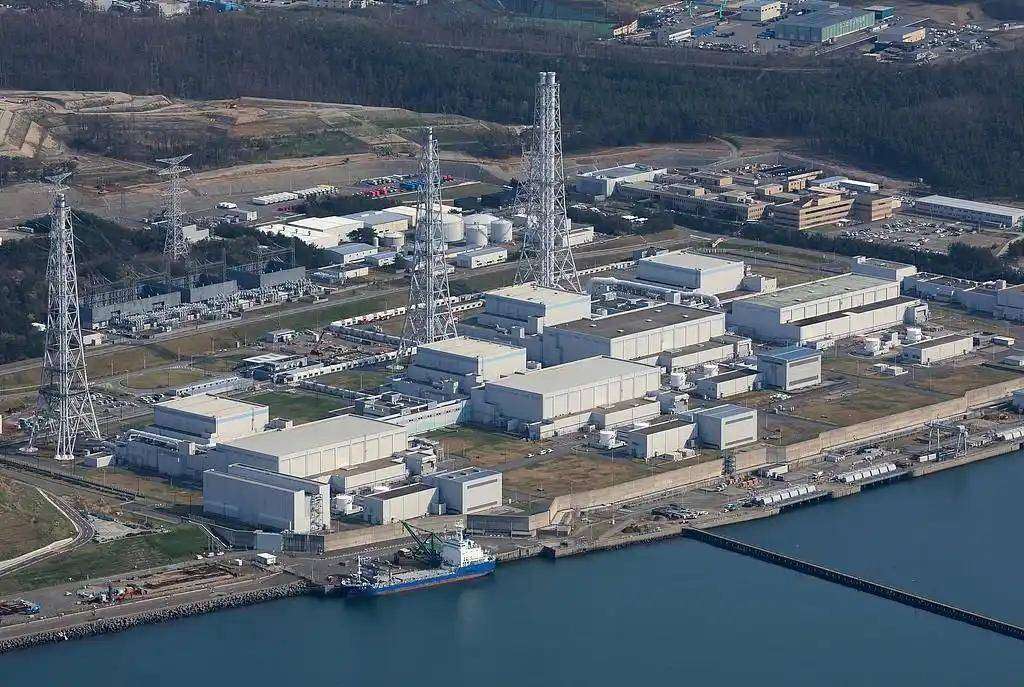
Group 1 - The core point of the article is the approval of the restart of the Kashiwazaki-Kariwa Nuclear Power Plant, marking a significant shift in Japan's energy policy from nuclear reduction to nuclear reliance, amidst public protests and geopolitical considerations [1][3][5] - The restart symbolizes the end of Japan's decade-long de-nuclearization strategy, with a new goal to increase nuclear power's share in the energy mix from 8.5% in 2023 to approximately 20% by 2040 [3][5] - The decision reflects Japan's response to unprecedented pressures regarding energy security, economic costs, and climate commitments, highlighting the need for stable and affordable energy sources [5][6][8] Group 2 - The restart is also a strategic move in Japan's geopolitical landscape, aimed at revitalizing its nuclear industry and enhancing diplomatic autonomy by reducing dependence on external energy sources [8][10] - The operator of the plant, Tokyo Electric Power Company, faces scrutiny due to its past involvement in the Fukushima disaster, making the restart a test of its safety management and public trust [8][10] - Despite the approval, significant challenges remain regarding safety concerns and public skepticism, particularly in a seismically active region like Japan, where ensuring nuclear safety is critical for future policy success [10][12]

日本311以来拟首次新建核电机组
日经中文网· 2025-07-21 02:53
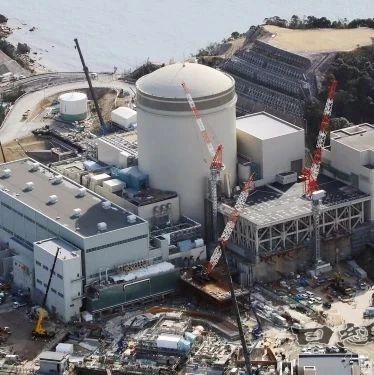
Core Viewpoint - The article discusses the revival of nuclear power in Japan, highlighting Kansai Electric Power's plans to initiate the construction of a new generation nuclear power plant, marking a significant step towards achieving the country's decarbonization goals [1][4]. Group 1: Nuclear Power Development - Kansai Electric Power will soon announce the commencement of geological surveys for a new nuclear power plant at the Mihama site, which is the first concrete step towards new nuclear construction since the Fukushima disaster [2][4]. - The last new nuclear power plant in Japan was the Hokkaido Electric's Tomari Unit 3, which began operation in 2009 [2]. - The new plant is expected to utilize an "innovative light water reactor," which is considered to have higher safety standards [2]. Group 2: Regulatory and Construction Timeline - Geological and topographical surveys are the initial steps in the construction process, followed by basic design formulation and application to the Nuclear Regulation Authority [2]. - The entire process from survey to operational status is projected to take approximately 20 years, including necessary safety certifications [2]. Group 3: Current Nuclear Power Status - Currently, only the Mihama Unit 3 is operational, while Units 1 and 2 have been decommissioned [3]. - The Takahama Unit 1 is set to become Japan's first nuclear unit to exceed 50 years of operation in 2024, with Mihama Unit 3 reaching the same milestone in 2026 [3]. Group 4: Government Policy and Future Projections - The Japanese government’s 7th Energy Basic Plan aims to maximize the use of decarbonized energy sources, including nuclear power, and has removed previous language advocating for reduced reliance on nuclear energy [3][4]. - By 2040, nuclear power is projected to account for approximately 20% of Japan's energy mix, up from 8.5% in 2023, while the share of thermal power is expected to decrease significantly [4].