自然垄断

Search documents
携程被立案:一个十年前就在被追问的问题
3 6 Ke· 2026-01-15 03:39
Core Viewpoint - The article discusses the evolving perception of internet platforms, particularly in relation to their pricing strategies and market dominance, highlighting a shift in regulatory focus from consumer harm to supplier exploitation [1][2]. Industry Analysis - The hotel sector's RevPAR is under pressure, while the airline sector has recently emerged from four years of cumulative losses; in contrast, leading OTAs have seen their net profit margins exceed 30% [2]. - The significant disparity in profit distribution along the industry chain suggests a recalibration of the delicate balance described in the "two-sided market" theory [2]. Theoretical Framework - The concept of "natural monopoly" is introduced, emphasizing that internet industries exhibit characteristics of natural monopolies due to their subadditivity, where fixed costs are high but marginal costs are low [3]. - The article references Peter Thiel's assertion that the goal of companies is to achieve monopoly status, which is essential for recovering initial investments through pricing power [3]. Pricing Strategies - Internet platforms utilize a pricing strategy that differs from traditional markets, often charging sellers above marginal costs while providing subsidies to buyers, exemplified by credit card companies like Visa [5][6]. - The pricing model in two-sided markets is influenced by the externalities generated by users on both sides, leading to asymmetric pricing strategies [5][6]. Market Dynamics - The initial phase of internet platforms (0-1 stage) involves attracting users through free services, necessitating significant upfront investment often supported by venture capital [7]. - As platforms mature (1-N stage), they leverage their market position to implement pricing strategies that exceed marginal costs, thereby internalizing market resources and reducing information usage costs [7]. Regulatory Considerations - The article suggests that the natural monopoly characteristics of internet platforms necessitate regulatory frameworks that differ from traditional approaches, advocating for public ownership or regulatory oversight in managing these monopolies [9].



财险行业最新固定成本率大约是9.0%(不含理赔人员薪酬),已经实现五连降!
13个精算师· 2025-09-26 11:05
Core Viewpoint - The insurance industry is experiencing a significant decline in fixed cost rates, which has dropped to approximately 9.0% in 2024, marking five consecutive years of decline. This trend is attributed to the industry's ability to leverage operational efficiencies as premium income grows [2][3][18]. Summary by Sections Fixed Cost Rate Analysis - The fixed cost rate for the property and casualty insurance industry is estimated at 9.0% for 2024, with total original premium income of 1.68 trillion yuan and fixed costs amounting to 151.6 billion yuan [3][15]. - The fixed cost rate has decreased from 12.0% in 2016 to 9.0% in 2024, indicating a downward trend over the years [4][18]. - From 2014 to 2024, the cumulative growth of premiums in the industry was 133%, with an average annual compound growth rate of 8.8%, while fixed costs grew by 77% at an average annual compound growth rate of 5.9% [5][18]. Cost Comparison Among Different Company Sizes - The fixed cost rates for different categories of companies have been calculated, showing a clear distinction between larger and smaller firms. For instance, the top three companies had a fixed cost rate of 7.6% in 2024, down from 9.5% in 2014 [6][23]. - The fixed cost rates for companies ranked 4-8 have also seen a significant decline from 11.1% in 2021 to 8.1% in 2024, while the rates for companies ranked 9-20 were approximately 15.6% in 2024 [24]. - Companies ranked 21-40 maintained a fixed cost rate around 15.6%, while those ranked 41 and below had an average fixed cost rate of about 25.6% [24]. Implications of Fixed Cost Rate Decline - The decline in fixed cost rates is expected to contribute to a continuous decrease in the comprehensive expense ratio within the industry, enhancing overall profitability [5][18]. - The analysis indicates that the fixed cost growth rate is approximately 65% of the premium growth rate, providing a useful reference for companies in budget preparation [5][18]. Methodology for Estimating Fixed Costs - The estimation of fixed costs involved analyzing publicly disclosed data and market surveys to determine variable expense rates across different company sizes, followed by adjustments based on specific operational characteristics [12][13]. - The methodology included calculating fixed costs by subtracting variable expenses from total business and management expenses, leading to a clearer understanding of fixed cost structures across the industry [12][13].

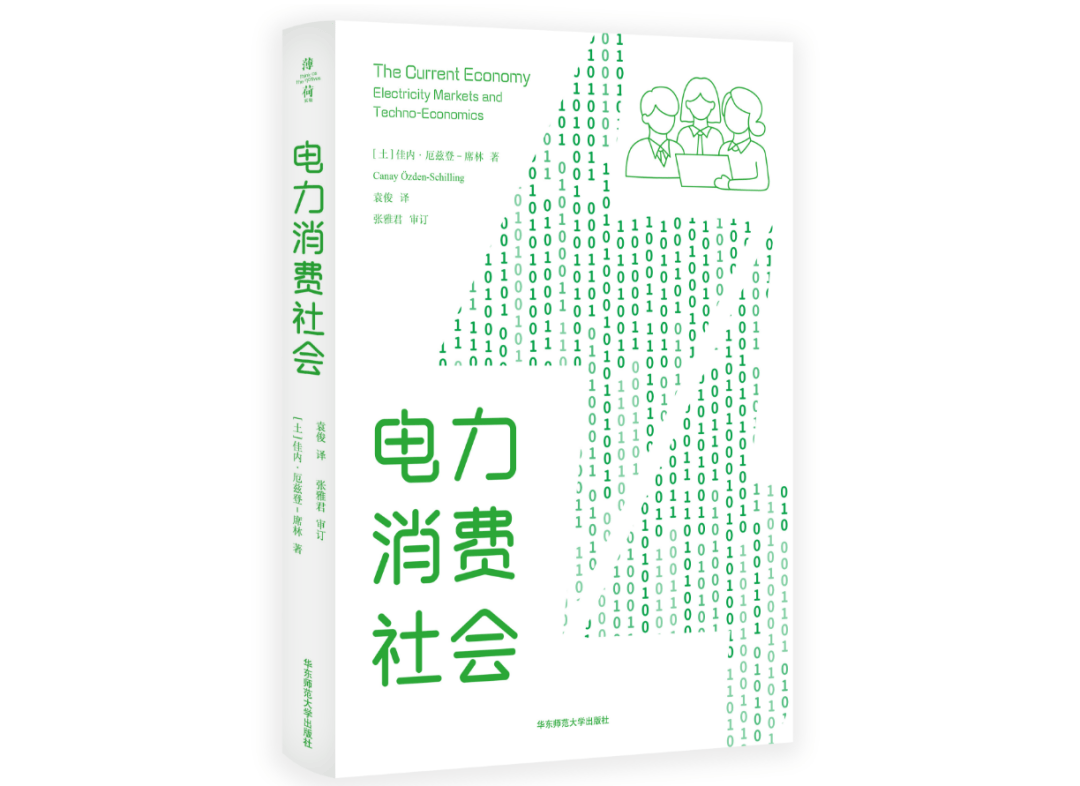
转瞬即逝的电力,是如何成为可交易商品的?
Sou Hu Cai Jing· 2025-08-03 01:45
Group 1 - Electricity is often taken for granted, but it has transformative effects on urban and social life, making it a unique commodity that is difficult to store and requires immediate use [1][2] - The delivery of electricity is closely tied to infrastructure, specifically the power grid, which differentiates it from other commodities that can be transported in various ways [1] - The concept of electricity as a tradable commodity has evolved, moving from being viewed as a "natural monopoly" to becoming a normalized market in many industrialized countries [2] Group 2 - The historical context of electricity consumption began with figures like Thomas Edison, who shifted the focus from selling production equipment to selling electricity directly to consumers, thus initiating the electricity consumption era [5][10] - The early electricity market was characterized by a large grid system that centralized wealth among a few producers, which was essential for the rise of management capitalism in the 20th century [8][14] - The integration of various services under natural monopoly companies allowed for economies of scale, where increased production led to reduced costs and increased profits [18]