舰载机技术

Search documents
成功着舰!已过13年
Ren Min Wang· 2025-11-24 01:24
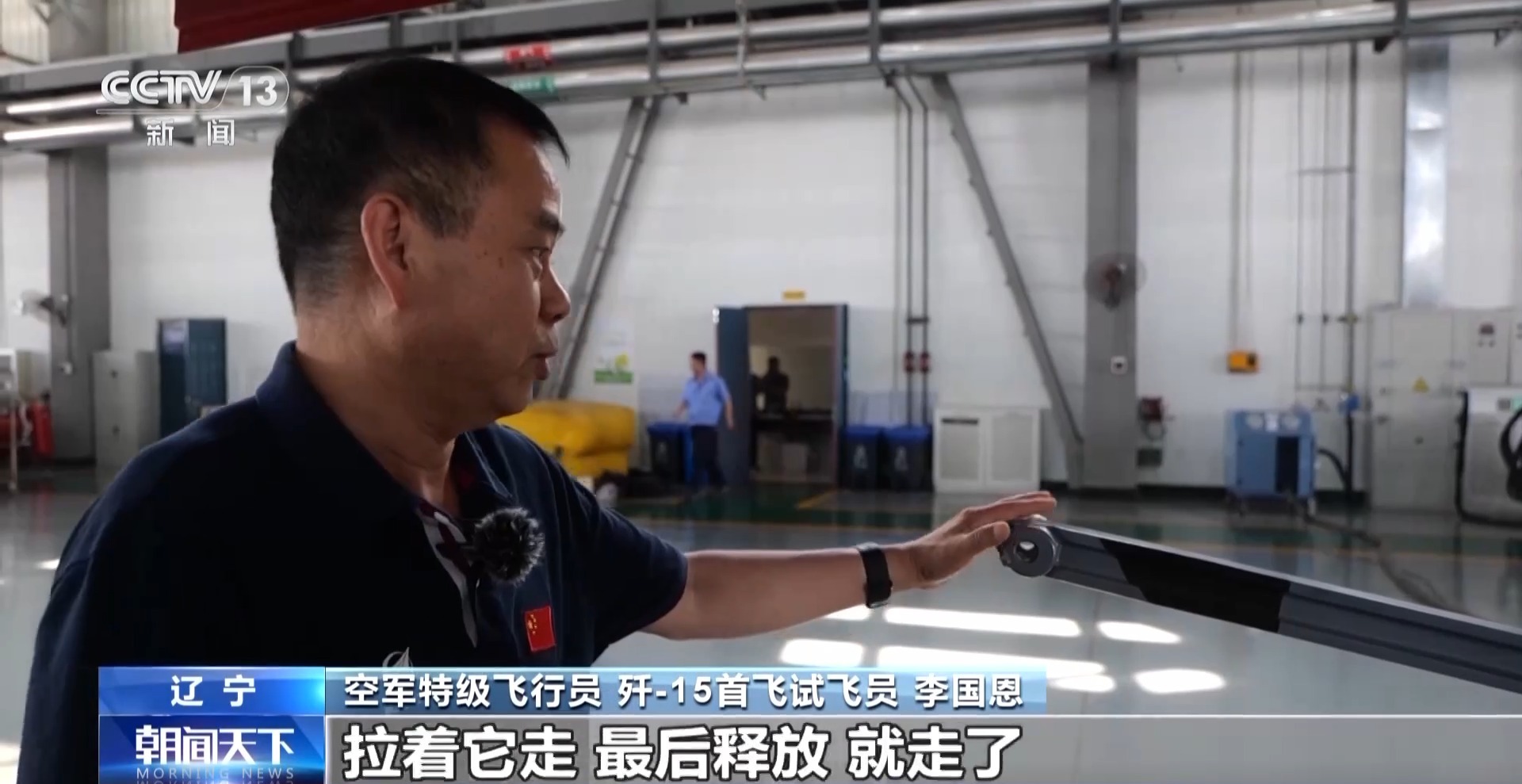
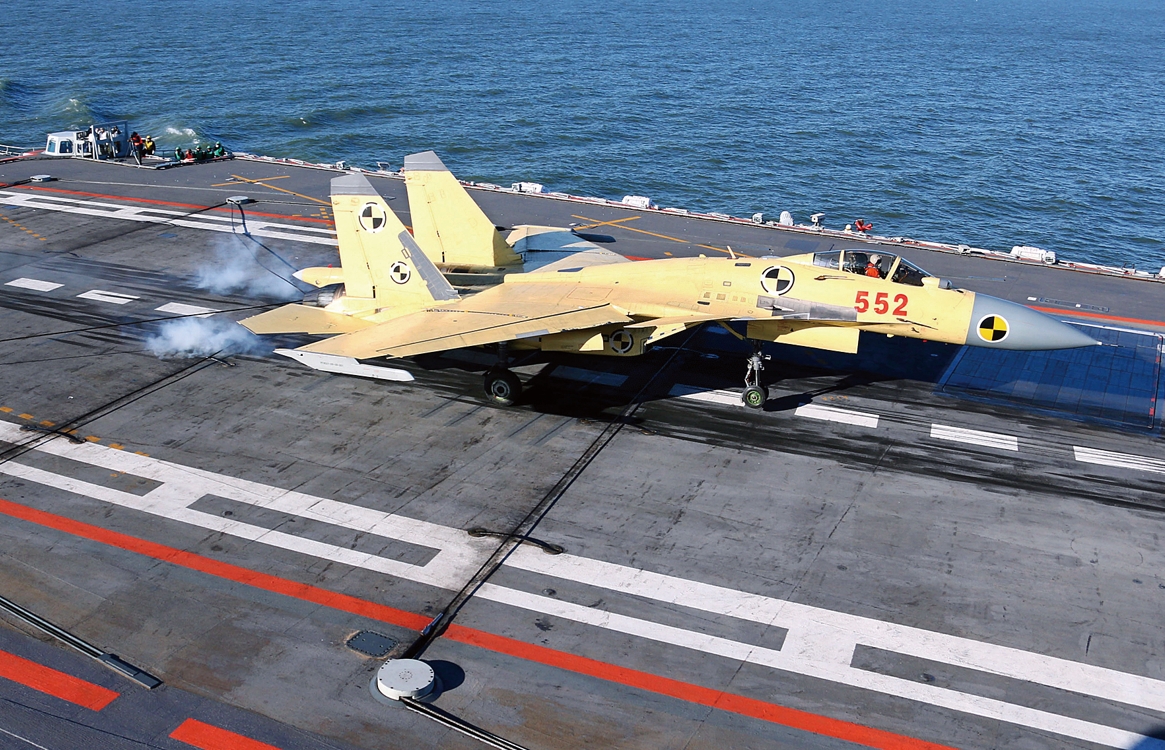
Core Viewpoint - The article highlights the historical significance of the J-15 fighter jet, marking China's entry into the elite group of nations capable of carrier-based aircraft operations, and traces the evolution of China's naval aviation capabilities from the J-15 to the J-35 [1][2][11]. Group 1: Development of J-15 - The J-15, China's first domestically developed carrier-based fighter jet, faced significant challenges due to the lack of existing technology and experience in carrier operations [2]. - The development team, led by Luo Yang, overcame numerous technical hurdles through self-reliance and innovation, culminating in the successful landing of the J-15 on the Liaoning aircraft carrier [2][6]. - The J-15 has evolved into a family of variants, including the J-15T and J-15D, enhancing China's naval aviation capabilities and contributing to national defense modernization [6]. Group 2: Transition to J-35 - The J-35 represents a significant advancement from the J-15, embodying the evolution of China's carrier-based aircraft with enhanced stealth and multi-role capabilities [7]. - The J-35 is designed for both air superiority and ground attack missions, marking a shift in the Chinese Navy's operational focus from near-seas defense to far-seas protection [7][9]. - The J-35A variant serves as a key component of the air force's stealth and counter-stealth operations, aimed at maintaining air superiority and engaging enemy aircraft and missile threats [9]. Group 3: Symbolism and Future of Chinese Aviation - The successful development of the J-15 and its successors symbolizes a new era in Chinese aviation, showcasing the dedication and spirit of the new generation of aerospace professionals [11]. - The J-15's debut in the 2015 military parade marked a historic moment, while the anticipated appearance of the J-35A in the 2025 parade signifies the ongoing evolution and modernization of China's military aviation [11].

航空工业沈阳所首席专家王永庆当选中国工程院院士
Ren Min Wang· 2025-11-21 06:47
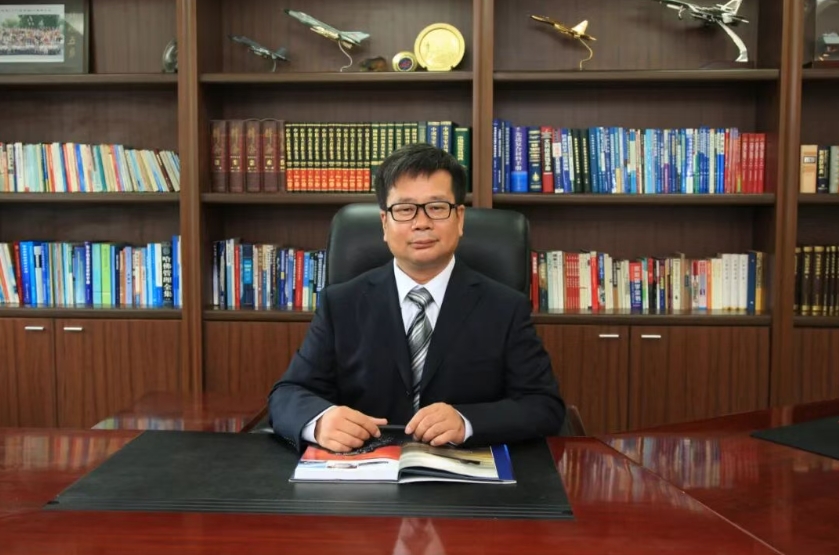
Core Viewpoint - The election results for the 2025 Chinese Academy of Engineering academicians were announced, with 71 individuals selected, including Wang Yongqing, a chief expert at the Shenyang Aircraft Design Institute of AVIC [1] Group 1: National Defense and Technology - Wang Yongqing emphasized the necessity of a strong national defense technology to support a powerful nation and improve people's lives, linking personal ideals with national needs [3] - The development of weaponry and equipment relies on possessing core technologies, with the aircraft carrier being a long-held dream for China, and carrier-based aircraft being crucial for this endeavor [6][12] - The design and development of carrier-based aircraft involve numerous critical technologies and require unprecedented depth and breadth of technical decision-making and cross-industry coordination [6] Group 2: Achievements in Aircraft Development - Wang Yongqing and his team overcame significant challenges to achieve breakthroughs in key technologies for the J-15 carrier-based fighter, establishing a complete technical system for China's carrier-based aircraft [8][10] - The J-35A, a medium-sized stealth multi-role fighter, received significant attention at the 2024 Zhuhai Airshow, showcasing the results of years of independent innovation led by Wang Yongqing [12] - The successful implementation of 3D digital design significantly improved the efficiency of aircraft design processes, reducing the number of tooling by 60% compared to traditional third-generation aircraft [10] Group 3: Innovation and Team Development - Wang Yongqing has been instrumental in fostering a culture of innovation and collaboration within his team, focusing on enhancing the overall capabilities of the design workforce [16] - He has developed long-term plans for various specialties within the institute, ensuring the steady improvement of core competitiveness based on specific professional skills and overall research capabilities [16] - Wang Yongqing's dedication to mentoring younger engineers has resulted in the cultivation of a new generation of core talents within the Shenyang Aircraft Design Institute [16][18]
歼-15系列舰载机是如何研制的?总台记者独家探访
Yang Shi Xin Wen· 2025-07-08 03:06
Core Viewpoint - The article highlights the successful return of the Chinese aircraft carrier Shandong after a five-day visit to Hong Kong, showcasing the new carrier-based fighter jet J-15T, which was open to the public for the first time during this event [1] Group 1: J-15T Features and Design - The J-15T is an upgraded version of the J-15, specifically designed for catapult launches, featuring a unique design element known as the catapult traction rod [1][3] - The landing gear of the J-15T has been reinforced, with a 20% increase in the thickness of the support rods and a dual-wheel design for the main landing gear, which helps distribute pressure during landing and reduces friction on the carrier deck [3][5] Group 2: Tailhook Functionality - The tailhook is a critical component for carrier-based aircraft, enabling them to land on aircraft carriers by engaging with the arrestor wire to decelerate the aircraft rapidly [6][8] - The design of the tailhook must account for various factors, including impact resistance, overload tolerance, and wear resistance, to ensure successful landings [8][10]