良好实验室规范(GLP)

Search documents
阿根廷大幅放松农用化学品管制
Shang Wu Bu Wang Zhan· 2026-01-21 15:42
Core Viewpoint - The new regulations issued by the National Agricultural Food Hygiene and Quality Service will simplify the registration, import, and sales processes for agricultural chemicals, effective January 5, 2026 [1] Group 1: Regulatory Changes - The new regulations amend and clarify the previous Resolution No. 458, focusing on easing entry requirements for production companies and shortening product approval times [1] - Production companies will only need to submit a sworn declaration to initiate production activities, eliminating the need for prior authorization and a technical manager [1] - The scope of recognition for research and trial reports conducted abroad will be expanded, facilitating international collaboration [1] Group 2: Import Process Simplification - International trial reports that comply with Good Laboratory Practice (GLP) will be recognized, streamlining the import process for pesticide products approved in high-regulation countries such as the EU, USA, Canada, Switzerland, and Norway [1] - The import process will be simplified to a sworn declaration and a temporary registration system for these products [1] Group 3: Genetically Modified Organisms (GMOs) - For genetically modified products, prior approval from the National Agricultural Biotechnology Advisory Committee (Conabia) will suffice, eliminating the need for new assessments [1] Group 4: Transparency and Guidance - The National Agricultural Food Hygiene and Quality Service will publish a "Pesticide Product Management Operation Guide" to enhance process transparency and assist companies in understanding the relevant procedures [1]
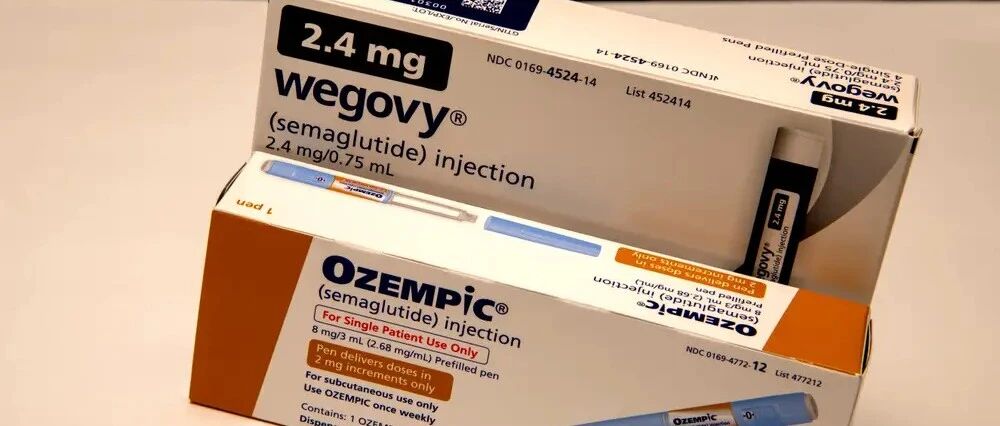
爆火的GLP-1到底是什么?和司美格鲁肽是什么关系?别再听外行瞎说了
GLP1减重宝典· 2025-10-03 03:50
Core Viewpoint - GLP-1 (Glucagon-like peptide-1) is a hormone that plays a significant role in regulating blood sugar levels and promoting weight loss, particularly in patients with type 2 diabetes. Its therapeutic potential has led to the development of GLP-1 receptor agonists, which have gained approval for treating diabetes and obesity since the 2000s [4][6]. Group 1: Understanding GLP-1 - GLP-1 is a peptide hormone consisting of 30 or 31 amino acids, produced in the intestines and certain neurons in the brainstem after food intake [4]. - It enhances insulin secretion in a glucose-dependent manner, thereby lowering blood sugar levels, and has various regulatory and protective effects [4]. - The half-life of endogenous GLP-1 is approximately 2 minutes due to rapid degradation by DPP-4 and other enzymes, resulting in low plasma levels [6]. Group 2: GLP-1 and Weight Loss - GLP-1 promotes satiety, leading to reduced food and water intake, which is why diabetes patients treated with GLP-1 receptor agonists often experience weight loss [7]. - It inhibits gastric emptying, gastric acid secretion, and gastric motility, contributing to decreased appetite and reduced postprandial blood sugar fluctuations [7]. Group 3: Market Concerns - The popularity of semaglutide has led to a surge in products claiming to contain "GLP-1 active ingredients," but many of these products lack rigorous quality control and safety evaluations [12][14]. - Some products falsely claim to contain similar compounds or ingredients that are not recognized by regulatory authorities, raising concerns about their efficacy and safety [16].