
艺术与科技跨界融合

Search documents
专业“上新” 人才“出新” 探寻教育新赛道
Yang Shi Xin Wen Ke Hu Duan· 2025-11-01 06:54
Core Insights - The Ministry of Education has introduced 29 new undergraduate programs in 2025, focusing on national strategy, technological frontiers, and market demand [1] - These new programs aim to cultivate talents that meet the urgent needs of emerging industries, particularly in low-altitude economy and emergency management [6][15] Group 1: New Programs and Their Focus - The new programs include low-altitude technology and engineering, which aligns with the national development strategy and addresses the talent gap in the low-altitude economy [6] - The "Smart Emergency" program has been established to train professionals in emergency management, responding to a significant talent shortage in this field [15][20] - Other notable programs include geriatric medicine and health, which address the aging population's needs, and interdisciplinary programs like dance therapy and music technology [22][30] Group 2: Educational Approach and Implementation - Universities like Beihang University and Nanchang University are implementing hands-on training and real-world applications in their curricula to enhance student engagement and practical skills [8][24] - The establishment of the National Alliance for Geriatric Medicine and Health Professional Education aims to foster collaboration among universities to improve talent cultivation [26] - The new programs emphasize a blend of theoretical knowledge and practical experience, ensuring that students are well-prepared for industry demands [24][32] Group 3: Industry Relevance and Future Outlook - The introduction of these programs reflects a proactive adjustment in educational structures to better align with societal needs and industry trends [32] - The focus on interdisciplinary and innovative fields indicates a shift towards producing versatile talents capable of addressing complex challenges in various sectors [30][32] - As these new programs take root, they are expected to contribute significantly to national strategic implementation and social welfare improvements [1][32]

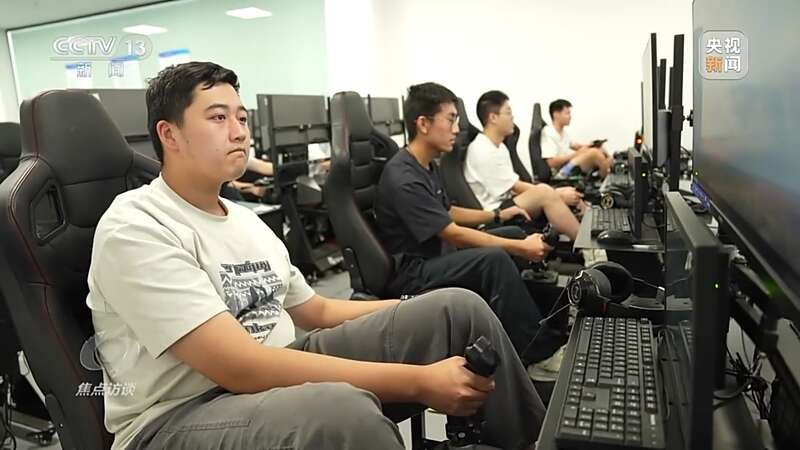
焦点访谈丨专业“上新” 人才“出新” 探寻教育新赛道
Yang Shi Xin Wen Ke Hu Duan· 2025-11-01 06:42
Core Insights - The Ministry of Education has introduced 29 new undergraduate programs in 2025, focusing on national strategy, technological frontiers, and market demand [1][32] - These new programs aim to cultivate talents that meet the urgent needs of emerging industries, particularly in low-altitude economy and emergency management [5][15] Group 1: Low-altitude Economy - The low-altitude economy is recognized as a strategic emerging industry, with a significant talent gap prompting the establishment of relevant academic programs [5][15] - Beijing Aerospace University has launched a low-altitude technology and engineering program, emphasizing hands-on training in drone operation and design [1][3] - Students are encouraged to innovate and potentially start their own businesses in the low-altitude sector, focusing on the development of long-endurance drones for various applications [3][13] Group 2: Emergency Management - The newly established "Smart Emergency" program at the Disaster Prevention Technology Institute addresses the urgent need for professionals in emergency management, with a talent gap of approximately 400,000 in the sector [15][17] - The program integrates emergency management with computer science, offering practical training through real disaster scenarios [21][19] - Students engage in simulations of disaster response, learning to analyze data and make informed decisions in emergency situations [19][21] Group 3: Healthcare and Aging - The new undergraduate program in geriatric medicine and health aims to address the shortage of specialized care professionals for the aging population in China [23][25] - Students participate in hands-on activities in healthcare settings to better understand the needs of elderly patients [25][27] - A national alliance for the geriatric medicine and health program has been established to enhance collaboration and resource sharing among universities [27] Group 4: Arts and Technology - New programs focusing on the intersection of arts and technology, such as dance therapy and music technology, have been introduced to meet market demands [29][31] - The dance therapy program emphasizes the therapeutic use of movement to address emotional and psychological issues among diverse populations [31][29] - These innovative programs reflect a broader trend of integrating creative disciplines with health and wellness initiatives [31][29] Group 5: Educational Structure Optimization - The introduction of 29 new programs coincides with the discontinuation of 1,428 outdated programs, indicating a proactive adjustment in educational structures to better align with current societal needs [32] - This shift aims to create a more adaptable talent pool that can effectively contribute to national strategies and improve social welfare [32][1]
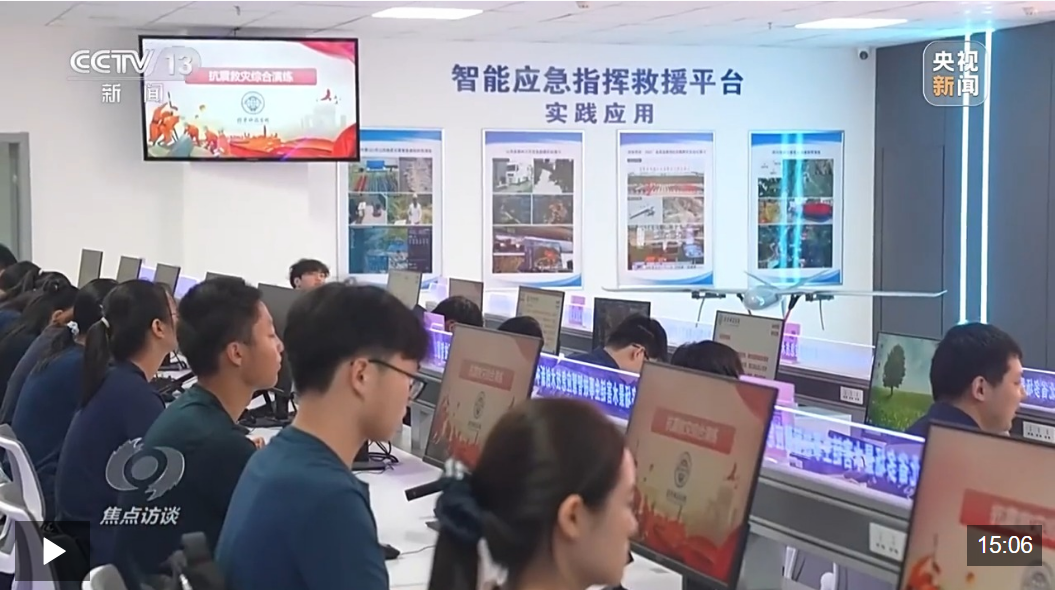
全国文化中心建设巡礼|社会化办展搭建跨域融合新桥梁
Bei Jing Qing Nian Bao· 2025-09-05 09:11
Core Insights - The "Time and Resonance - Decoding Da Vinci's Art, Technology, and Natural Rhythm" exhibition at the National Museum of Nature opened on June 5 and has attracted over 150,000 visitors, surpassing initial attendance predictions, showcasing a successful integration of nature, culture, art, and technology [1] Group 1 - The exhibition serves as a model for cross-domain integration, highlighting the collaboration between different fields [1] - The museum's collection is growing at a rate of approximately 30,000 specimens per year, with projections indicating it will reach 600,000 specimens by the opening of the new museum in 2029 [1] - There is an expectation that the collection will exceed one million specimens between 2035 and 2040, enhancing the museum's status as a cultural landmark in the southern central axis region [1]