芯片教育

Search documents
从稚童送“芯片”说起(金台随笔)
Ren Min Ri Bao· 2025-08-06 22:49
Group 1 - The article emphasizes the importance of early science education, particularly focusing on chip technology, to stimulate children's curiosity and understanding of science [1][2] - Various educational initiatives are being implemented in China, such as the "Eagle Plan" training camp in Chongqing and the "Chip Dynamic Youth" course in Zhejiang, which aim to engage students with hands-on experiences and expert guidance [1][2] - The role of parents in supporting science education is highlighted, suggesting that home education can complement classroom learning and enhance children's understanding of scientific concepts [2] Group 2 - The revised Science and Technology Popularization Law mandates that both primary and preschool education institutions should strengthen science education tailored to children's developmental stages [3] - The article suggests that fostering curiosity, imagination, and a desire for knowledge in children is essential for nurturing future scientists and innovators [3] - The narrative reflects a broader trend in China towards integrating science into modern education, aiming to cultivate a generation capable of contributing to national development [3]
我在美国教退伍军人「手搓芯片」:一位华人老师眼中的美国芯片教育雄心 | 声东击西
声动活泼· 2025-05-23 17:29
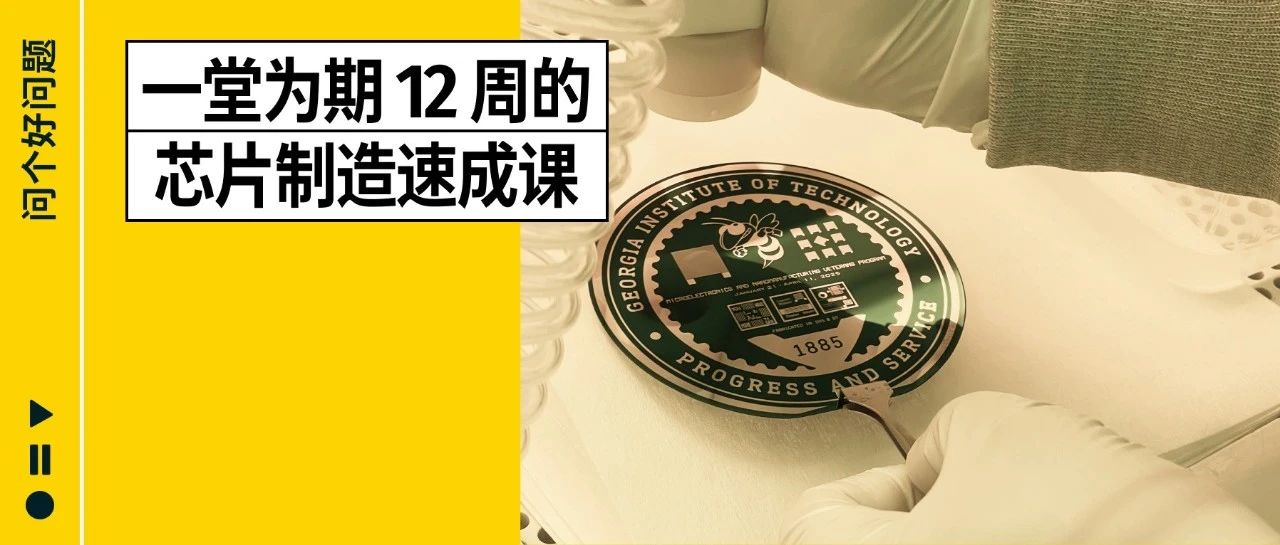
Core Insights - The article discusses the impact of the CHIPS and Science Act signed by President Biden in 2022, which aims to strengthen the U.S. semiconductor research and manufacturing capabilities through significant government funding [1][4] - It highlights a specific training program for veterans and their families, focusing on semiconductor manufacturing skills, which is free and lasts for 12 weeks [5][16] Group 1: Training Program Overview - The training program is designed to cultivate talent for the semiconductor industry, specifically targeting veterans and their families, with classes held twice a year [5][12] - Each session accommodates 3 to 6 students in Atlanta, while locations like Arizona may enroll more due to higher demand [5] - Participants receive a $1,200 stipend to help cover costs associated with attending the program, making it financially accessible [5][16] Group 2: Curriculum and Instruction - The program includes a mix of online theoretical courses and hands-on laboratory sessions, with a focus on practical skills in a cleanroom environment [7][8] - The theoretical component compresses three traditional courses into 12 weeks, covering extensive material that can be overwhelming for students [7][8] - Laboratory sessions involve safety training and practical chip-making processes, culminating in students creating their own functional chips [8][9] Group 3: Student Background and Commitment - Students typically come from non-combat roles in the military, such as maintenance or administrative positions, and exhibit a strong work ethic [12][14] - Many students juggle multiple jobs and family responsibilities while participating in the program, demonstrating significant commitment [14][15] - The program's structure requires consistent attendance and participation to earn a completion certificate, which some students find challenging due to their busy schedules [15][16] Group 4: Employment Outcomes - Graduates of the program may not immediately secure jobs in the semiconductor industry, as the program primarily serves as an introduction to the field [16][17] - Job placements often involve technician roles or positions in laboratories, but graduates may lack the experience for more advanced positions in major companies like TSMC [17][20] - The program also facilitates networking opportunities with industry professionals, enhancing students' chances of finding relevant employment [16][20] Group 5: Industry Context and Future Prospects - The U.S. semiconductor industry is in need of skilled labor, and educational initiatives like this program are essential for meeting that demand [20][21] - The article suggests that while the program can help cultivate talent, the transition from education to employment may take time and is not guaranteed [20] - The global nature of the semiconductor industry means that collaboration across countries is crucial, as many key technologies and equipment are sourced internationally [20]