苏联模式

Search documents
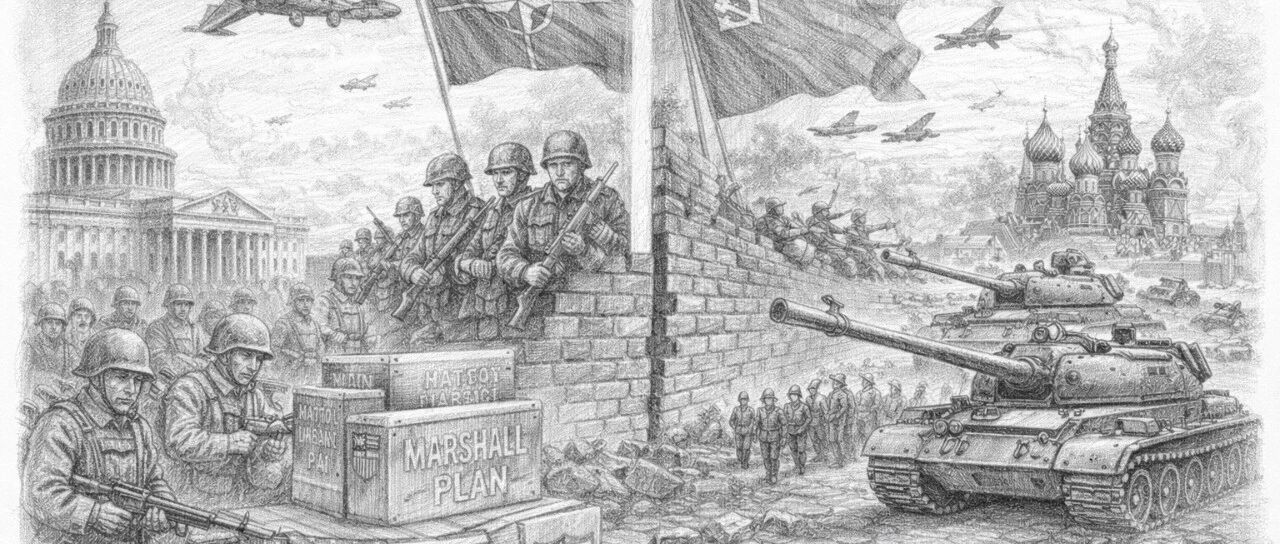
罗思义:为什么苏联模式失败而中国取得了成功?
Xin Lang Cai Jing· 2025-12-20 00:32
Core Viewpoint - The article discusses the evolution of the Soviet model of socialism, its successes and failures, and contrasts it with China's unique approach to socialism and economic reform, particularly after 1978, which has led to significant economic growth and development. Group 1: Soviet Model Analysis - The Soviet model initially aligned with Marxist principles, focusing on state ownership of major industries and collective agriculture, but shifted to a fully state-controlled economy by 1929, which deviated from Marxist theory [3][4]. - The emphasis on heavy industry, particularly military production, was crucial for the Soviet Union's victory in World War II, influencing many socialist countries to adopt similar models [4][6]. - The Soviet model's failure to adapt to post-war global economic changes led to stagnation and eventual economic crisis by the 1970s, as it remained isolated from international labor socialization [9][11]. Group 2: China's Economic Reform - China's economic reform initiated in 1978 marked a significant departure from the Soviet model, focusing on opening up to international trade and investment, and implementing market-oriented policies [12][13]. - The establishment of a socialist market economy has resulted in unprecedented economic growth, positioning China as a major global economic power and avoiding the pitfalls faced by the Soviet Union [19][35]. - China's approach combines state ownership with private enterprise, allowing for a more dynamic economic structure that aligns with Marxist principles while fostering innovation and growth [25][31]. Group 3: Global Impact and Future Directions - The success of China's reform has implications for global socialism, demonstrating that socialism can thrive through adaptation and innovation rather than strict adherence to historical models [17][34]. - The concept of a "community of shared future for mankind" reflects China's commitment to global cooperation and sustainable development, emphasizing the interconnectedness of nations [21][22]. - China's focus on ecological civilization and addressing climate change aligns with Marxist principles of harmony between humanity and nature, positioning it as a leader in global environmental governance [32][33].

斯大林为什么要拒绝马歇尔计划?
伍治坚证据主义· 2025-12-18 03:34
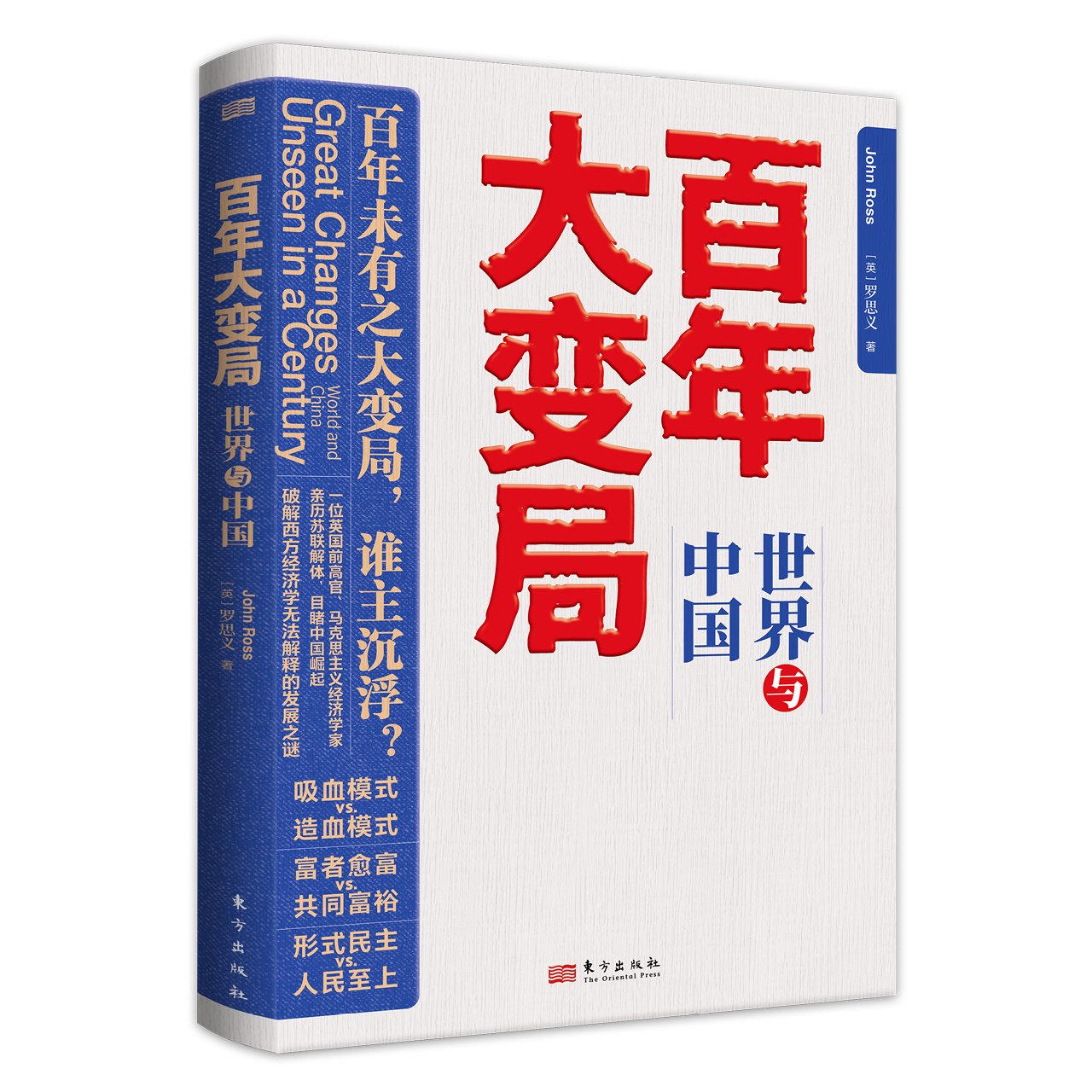
Core Viewpoint - The article discusses the historical context and implications of the Marshall Plan, emphasizing its economic significance rather than merely a political tool during the early Cold War. It highlights the choices made by Stalin and the Soviet Union regarding economic aid and the long-term consequences of those decisions for Eastern Europe and the USSR [4][9][10]. Group 1: Historical Context - In 1947, Europe was in a fragile economic state post-World War II, with high inflation, food shortages, and a lack of resources for production [2]. - The Marshall Plan was proposed by U.S. Secretary of State George Marshall as a large-scale economic aid initiative to help Europe recover and stabilize its economy [2]. Group 2: Soviet Response - Initially, the Soviet Union, represented by Foreign Minister Molotov, did not outright reject the Marshall Plan but sought to limit discussions to technical economic cooperation without long-term oversight [5][6]. - The Soviet leadership recognized the dire need for resources to alleviate economic pressures but was wary of the implications of accepting aid that came with conditions [5][6]. Group 3: Decision to Reject - By early July 1947, the Soviet Union decided to withdraw from negotiations, fearing that accepting aid would mean losing control over Eastern European economies and political influence [7][9]. - Stalin's decision was based on the understanding that accepting the Marshall Plan would lead to a loss of absolute control over Eastern Europe, which he deemed unacceptable [9][10]. Group 4: Economic Consequences - The refusal of the Marshall Plan had significant long-term economic consequences for Eastern Europe, leading to a widening gap in GDP growth between Western and Eastern European countries from 1951 onwards [11]. - By 1960, Western European countries had significantly higher GDP per capita compared to their Eastern counterparts, illustrating the impact of the Soviet decision [11]. Group 5: Lessons Learned - The article outlines several lessons from this historical episode, including the risks of being locked into a flawed system, the importance of retaining the ability to change alliances, and the dangers of systemic risks associated with external dependencies [14][15][16]. - It emphasizes that the ability to compare and adjust economic systems is crucial for long-term growth and stability, a freedom that was lost for Eastern European countries under Soviet influence [17][18].