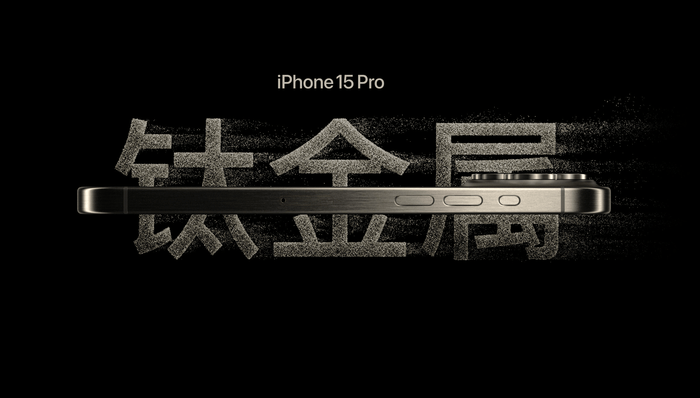
苹果供应链

Search documents
招银国际每日投资策略-20260304
Zhao Yin Guo Ji· 2026-03-04 05:43
Core Insights - The report highlights the launch of the iPhone 17e and M4 iPad Air, which are expected to positively impact Apple's supply chain due to their competitive pricing and enhanced specifications [2] - The iPhone 17e starts at $599 with doubled base storage of 256GB, while the M4 iPad Air maintains its price at $599 for the 11-inch version and $799 for the 13-inch version, featuring significant performance upgrades [2] - Apple's vertical integration strategy, including the introduction of the C1X modem and N1 network chip, is anticipated to improve gross margins and supply chain management [2] - The report predicts that the new budget iPhone and mid-range iPad will strengthen Apple's position in the mid-tier smartphone and tablet markets, especially as competitors face memory cost pressures [2] - A positive impact on Apple's supply chain is expected in the first half of 2026 due to increased market share and product replenishment, with further product launches in the second half of 2026 anticipated to drive stronger upgrade cycles [2] Industry Commentary - The global market has shown mixed performance, with major indices like the Hang Seng Index and the S&P 500 experiencing declines, while the energy sector has seen price increases due to geopolitical tensions [5] - Semiconductor and technology sectors have been particularly affected, with significant drops in stock prices, reflecting broader market volatility [5] - The report notes that the offshore RMB has depreciated against the USD, influenced by rising energy prices and market sentiment [5] - The report emphasizes the importance of companies with high sales exposure to Apple, such as Luxshare Precision, Hongteng Precision, and AAC Technologies, which are expected to benefit from Apple's product launches [6]
“果链”企业鸿仕达IPO,鹏鼎控股参股后销量猛增
IPO日报· 2026-01-29 12:55
Core Viewpoint - The article discusses the IPO application of Kunshan Hongshida Intelligent Technology Co., Ltd., highlighting its reliance on the Apple supply chain for revenue and the associated risks [1][6]. Group 1: Company Overview - Hongshida specializes in the research, production, and sales of intelligent automation equipment and flexible production lines, targeting sectors such as consumer electronics, new energy, and semiconductors [3]. - The company reported revenues of 397 million yuan, 476 million yuan, and 649 million yuan for the years 2022, 2023, and 2024, respectively, with net profits of 29.69 million yuan, 38.53 million yuan, and 53.49 million yuan, indicating a consistent growth trend [3]. Group 2: Customer Dependency - The company has a high customer concentration, with sales to its top five customers accounting for 70.35%, 50.26%, and 62.67% of total revenue in 2022, 2023, and 2024, respectively [5]. - A significant portion of the company's revenue comes from the Apple supply chain, with income from this sector representing 77.34%, 62.37%, and 76.64% of its main business revenue during the same periods [7]. Group 3: Major Clients and Shareholding - Among its major clients, Pengding Holdings not only ranks as a top customer but also holds a 2.11% stake in Hongshida, raising questions about potential conflicts of interest [9]. - Sales to Pengding Holdings increased significantly after its investment, with revenues of 16.19 million yuan, 38.03 million yuan, and 101.03 million yuan reported for the years 2022, 2023, and 2024, respectively [10]. Group 4: Fundraising and Financial Strategy - The company plans to raise 216.95 million yuan, allocating funds for expanding manufacturing capacity, building a research center, repaying bank loans, and supplementing working capital [13]. - Nearly half of the raised funds will be used for repaying bank loans and enhancing liquidity, despite the company having 1.12 billion yuan in cash at the end of the reporting periods [14].



年入280亿,从富士康走出的“最强打工妹”,又要IPO了
创业邦· 2025-12-08 10:25
Core Viewpoint - Lijing Innovation is set to achieve a significant IPO, driven by the success of its founder Wang Laichun and the strategic acquisitions that have positioned the company as a leader in the precision manufacturing sector [2][3]. Company Overview - Lijing Innovation, founded by Wang Laichun's brother Wang Laixi, has rapidly grown to nearly 28 billion yuan in annual revenue within seven years [2][3]. - The company has established itself as the only front camera supplier for Apple in mainland China, with over 60% of its revenue coming from this client [6][9]. Business Model and Growth Strategy - The initial team and assets of Lijing Innovation were acquired from the optical module division of Lite-On Technology, providing a strong foundation in terms of capacity and technology [5]. - The company has pursued a strategy of vertical integration through a series of acquisitions, including the purchase of Highwei Electronics, which has been a supplier for Apple since 2009 [5][6]. - Lijing Innovation has expanded its business into the optical lens sector and automotive electronics, indicating a diversification strategy beyond consumer electronics [6][18]. Financial Performance - Lijing Innovation's revenue has shown remarkable growth, increasing from 12.8 billion yuan in 2022 to 27.9 billion yuan in 2024, with a compound annual growth rate (CAGR) of 47.9% [17]. - The company's net profit has also increased, reaching 1.05 billion yuan in 2024, with a CAGR of approximately 23.5% [17]. - The revenue structure is heavily reliant on consumer electronics, particularly camera modules for smartphones, which accounted for 88.2% of total revenue in the first half of 2025 [18]. Investment and Market Position - Lijing Innovation has attracted significant investment from top-tier institutions, raising over 5.24 billion yuan prior to its IPO [7][9]. - The company is positioned as the second-largest player in the global high-end smartphone camera module market, with a strong focus on innovation [9][18]. Challenges and Risks - The company faces challenges related to high customer concentration, with over 67.6% of its revenue coming from a single client, widely believed to be Apple [19][20]. - Fluctuations in raw material prices and labor costs pose potential risks to profitability, as indicated by a slight decline in gross margin from 12.2% in 2022 to 10.8% in 2024 [17][18]. Future Outlook - The global market for consumer electronic camera modules is projected to grow significantly, providing a favorable environment for Lijing Innovation's continued expansion [20]. - The company plans to use IPO proceeds for R&D, upgrading manufacturing platforms, strategic investments, and operational funding, aiming to enhance its competitive edge [21].
康瑞新材靠iPhone钛边框逆袭!“70后夫妻”干出一个IPO
Sou Hu Cai Jing· 2025-09-26 00:56
Core Viewpoint - Jiangsu Kangrui New Materials Technology Co., Ltd. is preparing for an IPO on the Shenzhen Stock Exchange, driven by its role as a supplier for Apple's titanium alloy frames, despite facing internal control issues and tax violations [2][10]. Group 1: Company Overview - Kangrui New Materials, established in 2001, specializes in precision metal materials and has successfully entered Apple's supply chain since 2019 [2][3]. - The company has seen a significant increase in revenue, with projections showing growth from 1.053 billion yuan in 2022 to 2.998 billion yuan in 2024, and net profit rising from 47.55 million yuan to 404 million yuan during the same period [5][9]. Group 2: Financial Performance - Revenue from the consumer electronics sector is expected to grow from 759 million yuan in 2022 to 2.683 billion yuan in 2024, increasing its share of total revenue from 74.52% to 90.61% [5][9]. - Major clients include Foxconn and BYD, with a significant portion of revenue derived from a key client, referred to as X Company, which accounted for 74.39% of revenue in 2022 [5][7]. Group 3: Compliance Issues - The company has faced multiple compliance issues, including a tax violation resulting in a fine of 33,000 yuan for underreporting taxes by 110,000 yuan [10][12]. - Kangrui New Materials has also engaged in problematic fund transfers, with a total of 519 million yuan in loans transferred between 2020 and 2023, raising concerns about potential legal risks [10][12]. Group 4: Ownership and Governance - The company is controlled by a couple, Zhu Wei and Li Li, who hold 72.52% of the shares and have received over 65 million yuan in dividends over the past three years [15][18]. - Historical issues with shareholding arrangements have been addressed, and the company claims that all past ownership disputes have been resolved [20].
大行评级|花旗:苹果供应链情绪有所改善 偏好受惠于折叠iPhone的个股
Ge Long Hui· 2025-08-07 05:15
Core Viewpoint - The article discusses the potential impact of President Trump's proposed 100% tariff on imported semiconductor chips, while highlighting Apple's significant investment plans in the U.S. and the implications for the supply chain [1] Group 1: Tariff Implications - President Trump plans to impose a 100% tariff on imported semiconductor chips, with exemptions for companies that have committed to building capacity in the U.S. [1] - The sentiment in the Chinese Apple supply chain has improved due to the U.S. imposing a 25% tariff on Indian goods [1] Group 2: Apple's Investment Plans - Apple announced a new $100 billion investment plan in the U.S., increasing its total investment to $600 billion over the next four years [1] - Apple launched the American Manufacturing Plan (AMP) to relocate more supply chains and advanced manufacturing capabilities back to the U.S. [1] Group 3: Market Reactions - With uncertainties being resolved ahead of the iPhone's new model release, related stocks may react positively [1] - The company prefers stocks benefiting from the foldable iPhone, such as Lens Technology and Dongshan Precision, followed by companies gaining market share in iPhone components like AAC Technologies, GoerTek, and Luxshare Precision [1]

钛合金核心供应商,这家是如何进入苹果供应链的?
Sou Hu Cai Jing· 2025-06-26 21:51
Group 1 - Baoji Titanium Industry Co., Ltd. has been included in Apple's supply chain for the first time, becoming a core supplier in the titanium alloy materials sector, with expectations to double its revenue in the next three years due to increased application of titanium alloys in the iPhone 17 series and mass production of AR devices [1][2] - The company has developed a titanium alloy body solution for the iPhone 15 Pro series, achieving a balance between high strength and lightweight, significantly enhancing product durability and aesthetic design [1][2] - Baoji Titanium's entry into Apple's supply chain reflects the international recognition of China's high-end materials technology and Apple's strategic intent to diversify and expand into high-precision fields [1][4] Group 2 - The core competitiveness of Baoji Titanium lies in its full industry chain layout and innovation capabilities, with self-developed titanium alloy materials that are 60% stronger than aluminum alloys and 60% lighter than steel, meeting Apple's demand for high-end models that balance performance and aesthetics [2][3] - The company has achieved a monthly production capacity of millions through digital production lines, with a stable yield rate exceeding 95%, significantly above the industry average [2][3] - The global consumer electronics industry is rapidly evolving towards lightweight and durable innovations, with the titanium market projected to exceed $5 billion by 2025, growing at a compound annual growth rate of 18% [2][3] Group 3 - Entering Apple's supply chain requires a rigorous process involving technical certification, small batch trial production, and scaling up production, typically taking 18-24 months [3] - Baoji Titanium's collaboration with Apple has led to a more than 200% increase in revenue from its consumer electronics business and a rise in gross margin to 35% [3] - The partnership has expanded Baoji Titanium's customer base to include global giants like Tesla and Samsung, shifting its valuation from a traditional materials supplier to a high-growth technology enterprise [3]