
药价差异

Search documents
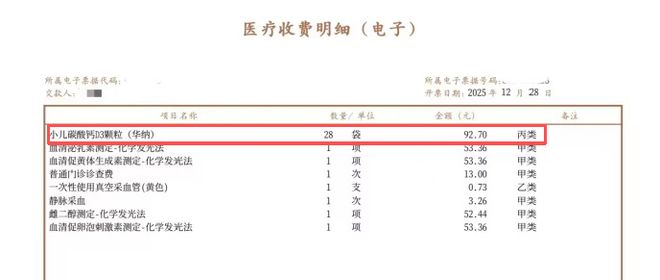
医院卖34.93元药店19元 同款药为何不同价?
2 1 Shi Ji Jing Ji Bao Dao· 2026-01-16 00:22
Core Viewpoint - The significant price discrepancies between hospital and retail pharmacy prices for the same medication raise concerns about the effectiveness of centralized procurement policies and the trust in public healthcare systems [2][3]. Price Discrepancies - A specific example highlights that the price of pediatric calcium carbonate D3 granules is 34.93 yuan in a hospital, while the same product is priced at approximately 19 yuan in pharmacies and e-commerce platforms, resulting in a price difference of 15.93 yuan [2]. - The price of the same medication can vary significantly across different sales channels, with instances of hospital prices being higher than retail prices and vice versa [3]. Centralized Procurement Issues - The pediatric calcium carbonate D3 granules were included in centralized procurement in 2022, with a winning bid price of 3.795 yuan per bag, which was further reduced to 2.495 yuan per bag in subsequent procurement rounds [3][4]. - Despite the centralized procurement prices, hospitals are reportedly selling the medication at prices that exceed these rates, indicating a disconnect between procurement prices and actual supply costs [4][6]. Factors Contributing to Price Differences - The pricing discrepancies are attributed to several factors, including the dynamic nature of market conditions, hidden service costs in hospitals, and the competitive pricing strategies of retail pharmacies and e-commerce platforms [6][7]. - Regulatory gaps and insufficient monitoring of real-time prices across different sales channels contribute to the lack of price uniformity [8]. Regulatory Responses - The National Medical Insurance Administration has initiated measures to address price discrepancies, including monitoring and comparing prices across various platforms to ensure compliance with procurement guidelines [10][11]. - Local governments are also implementing stricter regulations to align hospital prices with those of retail pharmacies and e-commerce platforms, emphasizing the need for transparency and fairness in drug pricing [11][12]. Future Directions - Experts suggest that a more transparent pricing mechanism is necessary, potentially resembling e-commerce platforms, to allow for direct price comparisons and foster competition among pharmaceutical companies [12].


波黑药价位居区域最高水平
Shang Wu Bu Wang Zhan· 2025-11-12 15:15
Core Insights - Bosnia and Herzegovina has the highest drug prices in the region, leading residents near the border to purchase medications in neighboring countries like Serbia and Croatia, where savings can reach up to 40% [1] Pricing and Taxation - High value-added tax rates are a key reason for the elevated drug prices in Bosnia compared to neighboring countries [1] - Residents report that purchasing a single medication in neighboring countries can save several marks [1] - The Bosnia and Herzegovina Medicines and Medical Devices Agency indicated that lowering the value-added tax or implementing differentiated retail profit margins could potentially reduce drug prices [1] - Currently, there are no specific solutions proposed by the government at either the national or entity level, and existing tax reduction proposals lack support [1] - Bosnia's tax rates are the highest in the region, even reaching three times that of Croatia and North Macedonia [1]