小儿碳酸钙D3颗粒

Search documents
医院卖34.93元药店19元 同款药为何不同价?
2 1 Shi Ji Jing Ji Bao Dao· 2026-01-16 00:22
Core Viewpoint - The significant price discrepancies between hospital and retail pharmacy prices for the same medication raise concerns about the effectiveness of centralized procurement policies and the trust in public healthcare systems [2][3]. Price Discrepancies - A specific example highlights that the price of pediatric calcium carbonate D3 granules is 34.93 yuan in a hospital, while the same product is priced at approximately 19 yuan in pharmacies and e-commerce platforms, resulting in a price difference of 15.93 yuan [2]. - The price of the same medication can vary significantly across different sales channels, with instances of hospital prices being higher than retail prices and vice versa [3]. Centralized Procurement Issues - The pediatric calcium carbonate D3 granules were included in centralized procurement in 2022, with a winning bid price of 3.795 yuan per bag, which was further reduced to 2.495 yuan per bag in subsequent procurement rounds [3][4]. - Despite the centralized procurement prices, hospitals are reportedly selling the medication at prices that exceed these rates, indicating a disconnect between procurement prices and actual supply costs [4][6]. Factors Contributing to Price Differences - The pricing discrepancies are attributed to several factors, including the dynamic nature of market conditions, hidden service costs in hospitals, and the competitive pricing strategies of retail pharmacies and e-commerce platforms [6][7]. - Regulatory gaps and insufficient monitoring of real-time prices across different sales channels contribute to the lack of price uniformity [8]. Regulatory Responses - The National Medical Insurance Administration has initiated measures to address price discrepancies, including monitoring and comparing prices across various platforms to ensure compliance with procurement guidelines [10][11]. - Local governments are also implementing stricter regulations to align hospital prices with those of retail pharmacies and e-commerce platforms, emphasizing the need for transparency and fairness in drug pricing [11][12]. Future Directions - Experts suggest that a more transparent pricing mechanism is necessary, potentially resembling e-commerce platforms, to allow for direct price comparisons and foster competition among pharmaceutical companies [12].


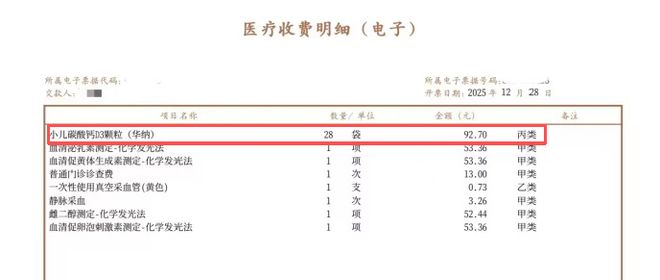
调查|医院卖34.93元 药店19元 同款药为何不同价?
2 1 Shi Ji Jing Ji Bao Dao· 2026-01-16 00:20
Core Viewpoint - The significant price discrepancies between hospital and retail prices for pediatric calcium D3 granules raise concerns about the effectiveness of centralized procurement policies and public trust in healthcare systems [1][3][8]. Price Discrepancies - Pediatric calcium D3 granules sold in hospitals can be priced at 34.93 yuan for a 14-bag pack, while the same product is available for approximately 19 yuan in pharmacies and e-commerce platforms, resulting in a price difference of 15.93 yuan [1]. - Similar price discrepancies exist for other medications, with examples showing hospital prices exceeding retail prices and vice versa [2]. Centralized Procurement and Pricing - The pediatric calcium D3 granules were included in centralized procurement in 2022, with the winning bid price set at 3.795 yuan per bag, which was later reduced to 2.495 yuan per bag in 2025 [3][4]. - Despite the centralized procurement prices, hospitals are selling the product at prices that deviate from these rates, indicating a disconnect between procurement prices and actual supply costs [3][8]. Factors Contributing to Price Differences - The price differences can be attributed to several factors, including the dynamic nature of market conditions, hidden service costs in hospitals, and the competitive pricing strategies of retail and online pharmacies [9][10]. - Regulatory gaps and the lack of real-time monitoring of drug prices contribute to the persistence of these discrepancies [10][11]. Regulatory Responses - The National Medical Insurance Administration has acknowledged these pricing issues and is working on measures to align hospital prices with those of retail pharmacies and e-commerce platforms [11][13]. - Local governments are also implementing stricter regulations to ensure that procurement prices are consistent with market prices, with penalties for non-compliance [14][15]. Future Directions - Experts suggest that a transparent pricing mechanism similar to e-commerce platforms should be established to allow for better price comparisons and competition among suppliers [17].
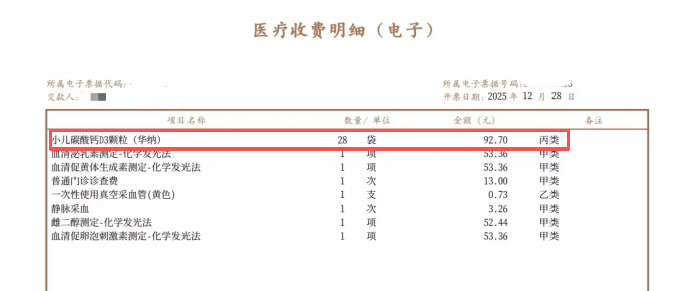
价差80%!电商平台卖19元,医院卖34.93元,又一乱象曝光
2 1 Shi Ji Jing Ji Bao Dao· 2026-01-15 15:01
Core Viewpoint - The significant price discrepancies between hospital and retail/e-commerce prices for pediatric calcium D3 granules raise concerns about the effectiveness of centralized procurement policies and public trust in healthcare pricing [1][3][7]. Group 1: Price Discrepancies - Pediatric calcium D3 granules from Hunan Warner Pharmaceutical are priced at 34.93 yuan in a pediatric hospital, while the same product is available for approximately 19 yuan in pharmacies and e-commerce platforms, indicating a price difference of over 80% [1]. - A similar case was reported where a consumer found a vitamin D product priced at 47.4 yuan in a hospital, while the same product was 63 yuan in a retail pharmacy and only 29.8 yuan online [2]. - The price of pediatric calcium D3 granules in hospitals is reportedly higher than the centralized procurement price of 2.495 yuan per bag, which raises questions about the adherence to procurement policies [3][4]. Group 2: Causes of Price Differences - The price discrepancies are attributed to several factors, including the dynamic nature of market conditions, raw material costs, and the potential disconnect between procurement prices and actual supply costs [7][10]. - Public hospitals are expected to follow a zero-markup policy, but actual selling prices may reflect higher supply costs, leading to price deviations from the centralized procurement prices [7][10]. - The lack of timely updates to the listed prices on procurement platforms compared to the competitive pricing in retail and e-commerce markets contributes to these discrepancies [10][11]. Group 3: Regulatory Responses - The National Medical Insurance Administration has initiated actions to compare prices across different sales channels and address any significant discrepancies [14]. - Local governments, such as in Guangdong and Anhui, have implemented rules to ensure that listed prices align with local retail prices and to prompt adjustments when prices exceed a certain threshold [15][16]. - Experts suggest establishing a transparent pricing mechanism that allows for real-time price comparisons across channels to enhance market competition and reduce reliance on administrative controls [17].
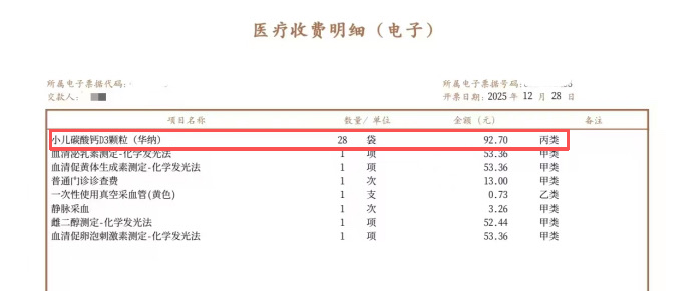
价差80%!电商平台卖19元,医院卖34.93元,又一乱象曝光
21世纪经济报道· 2026-01-15 14:56
Core Viewpoint - The article highlights significant price discrepancies between hospital and retail prices for pediatric calcium D3 granules, raising concerns about the effectiveness of centralized procurement policies and the trust in public healthcare systems [1][2][3]. Price Discrepancies - A notable price difference of 80% was reported for pediatric calcium D3 granules, with hospital prices reaching 34.93 yuan compared to 19 yuan in pharmacies and e-commerce platforms [1]. - Similar instances of price variation exist, such as a consumer purchasing a vitamin D product for 47.4 yuan in a hospital, while the same product was priced at 63 yuan in a retail pharmacy and only 29.8 yuan online [2]. Centralized Procurement Issues - Pediatric calcium D3 granules were included in centralized procurement in 2022, with the winning bid price set at 3.795 yuan per bag, which was later reduced to 2.495 yuan per bag in 2025 [3]. - Despite the procurement price, the hospital price for the same product was found to be 3.31 yuan per bag, indicating a discrepancy between procurement prices and actual hospital pricing [3]. Factors Contributing to Price Differences - Experts suggest that the price differences stem from various factors, including the dynamic nature of market conditions, raw material costs, and the potential disconnect between procurement prices and actual supply costs [6]. - Public hospitals are expected to adhere to a zero-markup policy, but the actual supply prices may lead to higher hospital prices if they exceed the procurement prices [6]. Regulatory Responses - The National Medical Insurance Administration has initiated measures to address price discrepancies, including monitoring and adjusting prices to align with market conditions [15][16]. - Local governments have also implemented regulations to ensure that procurement prices remain comparable to retail prices, with specific thresholds for price adjustments [16]. Future Directions - Experts advocate for a transparent pricing mechanism that allows for real-time price comparisons across different sales channels, aiming to reduce reliance on administrative controls and enhance market competition [18].