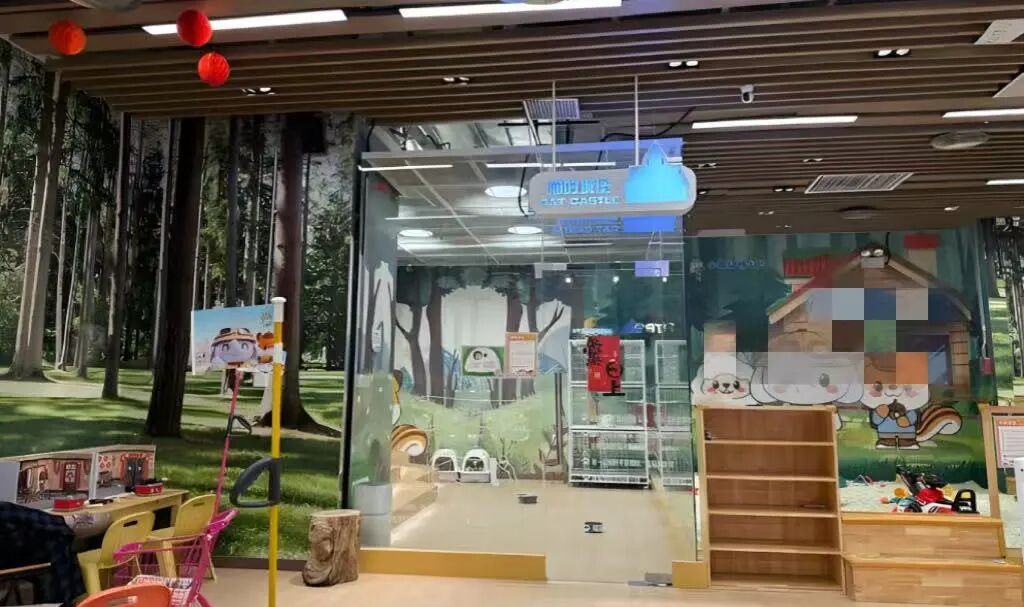
萌宠乐园业态发展

Search documents
第一波商场动物园,正在批量跑路
创业邦· 2026-01-14 03:38
Core Viewpoint - The pet amusement park industry, which gained popularity since 2017, is facing significant challenges as many establishments are closing down, leading to consumer losses and raising questions about the sustainability of this business model [5][6][9]. Industry Overview - The pet amusement park concept has seen a rapid increase in registered businesses, with a 100% year-on-year growth, totaling 194 companies by 2023 [9]. - Major brands in this sector include Xiao Xiang Dong Wu Park, Mr. Zoo, and Gu Dong Forest, with Xiao Xiang Dong Wu Park expanding to nearly 130 locations by the end of 2023 [9]. Consumer Experience - Many consumers report difficulties in obtaining refunds after purchasing memberships, with some establishments disappearing without notice, leading to widespread dissatisfaction [6][7]. - Complaints about the treatment of animals and the conditions in which they are kept have emerged, raising ethical concerns among consumers [16][18]. Business Dynamics - The success of pet amusement parks is highly dependent on location and timing, with businesses in lower-tier cities performing better due to less competition and lower operational costs [10][13]. - In contrast, establishments in first and second-tier cities face intense competition and high operational costs, making profitability challenging [13][14]. Operational Insights - A typical pet amusement park requires significant initial investment, with costs including rent, franchise fees, and animal procurement, often exceeding 200,000 yuan [12]. - Monthly operational costs can reach around 20,000 yuan, with revenue generated from both walk-in customers and membership sales [12]. Market Challenges - The industry is experiencing a shift as consumer preferences evolve, with newer entertainment options emerging, leading to a decline in foot traffic for pet amusement parks [13][14]. - High rental costs and reduced consumer traffic in urban areas are significant barriers to the sustainability of these businesses [13]. Ethical Considerations - There is growing scrutiny regarding animal welfare in pet amusement parks, with reports of inappropriate living conditions for certain species, which could negatively impact consumer perception and willingness to engage with these businesses [16][18][19].

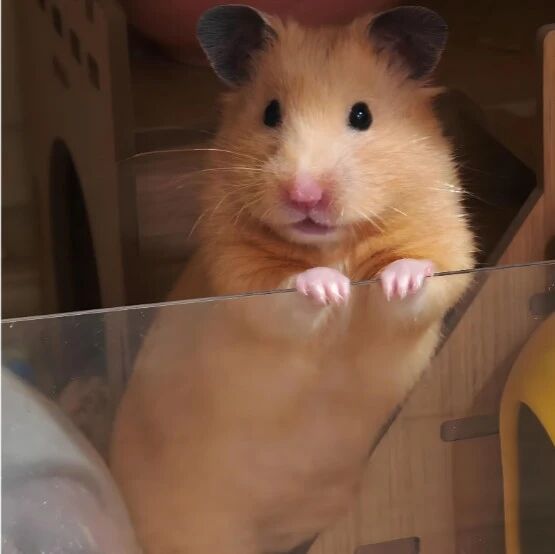
第一波商场动物园,正在批量跑路
3 6 Ke· 2026-01-12 04:26
Core Viewpoint - The pet amusement park industry, which gained popularity since 2017, is facing significant challenges as many locations are closing down, leading to consumer complaints and financial losses. The sustainability of this business model is now in question as it appears to be reaching the end of its lifecycle [1]. Group 1: Industry Overview - The pet amusement park concept began in 2017, with many locations opening in shopping malls, aiming to attract families with children [4]. - As of 2023, there were 194 registered companies related to pet amusement parks, marking a 100% year-on-year increase [4]. - Major brands in this sector include Xiao Xiang Dong Wu Park (Henan), Mr. Zoo (Shanghai), and Gu Dong Forest (Zhejiang) [5]. Group 2: Business Challenges - Many consumers have reported that after purchasing membership cards, they found the parks closed without notice, leading to significant financial losses [1][3]. - Complaints about the quality of service and animal welfare have increased, with reports of improper animal care practices [19][22]. - The industry is experiencing a divide, with some locations thriving in lower-tier cities while others in first and second-tier cities struggle due to high competition and operational costs [18]. Group 3: Financial Insights - A franchisee in a second-tier city reported an initial investment of approximately 300,000 yuan, achieving profitability within two months, with monthly revenues between 30,000 to 50,000 yuan [10][11]. - Membership pricing strategies include a single adult ticket at 39 yuan and a family membership at 699 yuan per year [13][14]. - The high membership conversion rate indicates strong consumer interest, with many parents willing to pay for their children's enjoyment [15]. Group 4: Consumer Sentiment - There is growing consumer concern regarding animal welfare in these parks, with reports of inappropriate living conditions for certain species [19][22]. - Negative experiences and complaints on social media are affecting public perception and willingness to visit these establishments [22][23]. - The overall consumer experience is impacted by factors such as unpleasant odors, leading to a decline in foot traffic in shopping malls where these parks are located [22].