薪资涨幅

Search documents
日企2025年薪资涨幅为5.49%,维持高水平
3 6 Ke· 2025-05-19 00:45
Group 1 - The manufacturing sector's salary increase has slowed to 5.72%, down by 0.39 percentage points, influenced by the economic slowdown in China and rising raw material prices [2][3] - The net profit of listed manufacturing companies for the fiscal year 2024 is expected to decline for the first time in a year [3] - The steel industry saw a salary increase of 6.37%, which is a significant reduction compared to previous years [3] Group 2 - The average salary increase for 2025 is projected at 5.49%, showing signs of stagnation in the manufacturing sector compared to last year [2] - Non-manufacturing sectors are experiencing a salary increase of 5.13%, with significant growth in real estate and transportation due to strong urban redevelopment demand [3] - Companies are compelled to raise salaries to attract talent due to labor shortages, with some firms like Takenaka Corporation increasing basic salaries by 8.75% [3] Group 3 - The restaurant and service industries, benefiting from inbound tourism, have a salary increase of 6.74%, with some companies like Izumi Holdings achieving an 11.23% increase [5] - The average starting salary for university graduates has risen by 34,000 yen, reaching 312,000 yen, comparable to levels in finance and trading sectors [5] - Factors influencing salary increases include rising consumer prices (73.8%) and labor shortages (46.5%), with companies engaging in defensive salary growth to prevent talent loss [5] Group 4 - The labor distribution rate for large enterprises is 43.4%, while for small and medium-sized enterprises (SMEs) it is 75.4%, indicating limited room for SMEs to increase their distribution rates [5]

日企2025年薪资涨幅为5.49%,维持高水平
日经中文网· 2025-05-16 05:12
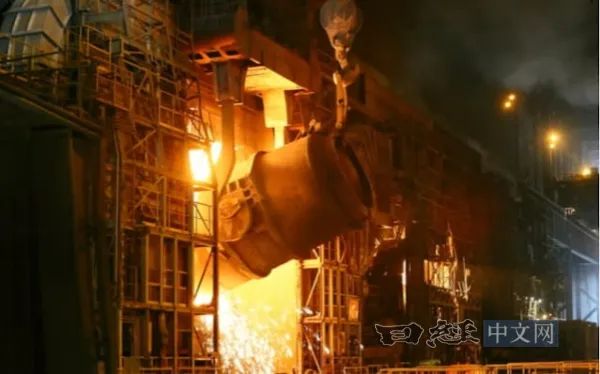
Group 1 - The manufacturing sector, which has historically driven wage growth, saw an increase of 5.72%, a decrease of 0.39 percentage points. This decline is attributed to the slowdown of the Chinese economy and rising raw material prices, leading to a reduction in net profits for listed manufacturing companies in the fiscal year 2024 [1][2] - The steel industry experienced a wage increase of 6.37%, which is a significant reduction. Factors such as excess production of Chinese steel have negatively impacted profits. JFE Steel's wage increase dropped from 12.47% in 2024 to 6.57% [2] - Non-manufacturing sectors saw a wage increase of 5.13%, up by 0.51 percentage points, indicating a continued expansion in wage growth. The real estate and transportation sectors benefited from strong demand due to urban redevelopment [2] Group 2 - The average wage increase for 2025 is projected at 5.49%, remaining stable compared to the previous year. This marks the first decline in four years, with the wage increase amounting to 19,207 yen, a historical high [1][2] - Factors influencing wage increases include consumer price rises (73.8%) and labor shortages (46.5%). The Japanese government's wage increase requests have decreased by 5.3 percentage points to 37.6% [4] - The labor distribution rate for large enterprises is 43.4%, while for small and medium-sized enterprises (SMEs) it is 75.4%, indicating that SMEs have less room for improvement in wage distribution compared to larger companies [4]