陆运

Search documents
安徽宣城加快打造长三角中心区综合交通枢纽城市
Zhong Guo Xin Wen Wang· 2025-12-10 17:04
Core Viewpoint - During the "14th Five-Year Plan" period, Xuancheng City has significantly enhanced its transportation infrastructure, positioning itself as a key transportation hub in the Yangtze River Delta region, with plans to further develop this status in the upcoming "15th Five-Year Plan" period [1][2]. Group 1: Transportation Infrastructure Investment - Xuancheng completed a total investment of 57.4 billion RMB in transportation infrastructure during the "14th Five-Year Plan," representing a 104% increase compared to the "13th Five-Year Plan" period [1]. - The city has opened 19 cross-provincial bus routes with a total length of 536 kilometers, leading in both route and mileage numbers in Anhui Province [1]. Group 2: Water Transport Development - A total of 1.36 billion RMB was invested in water transport construction, resulting in the addition of 19 new thousand-ton berths [1]. - The Wuyang River channel has been upgraded to a national high-grade waterway, and the Wushen Canal has been improved, shortening the transportation distance from Xuancheng to Shanghai by over 100 kilometers [1]. Group 3: Future Development Plans - Looking ahead to the "15th Five-Year Plan," Xuancheng aims to establish itself as a comprehensive transportation hub in the Yangtze River Delta, focusing on enhancing connectivity and transitioning from construction projects to transportation industries [2]. - The city has also initiated the first cross-provincial green freight line in Anhui and established the province's first zero-carbon terminal, indicating a commitment to smart and green transformation in the transportation sector [2].
日企2025年薪资涨幅为5.49%,维持高水平
3 6 Ke· 2025-05-19 00:45
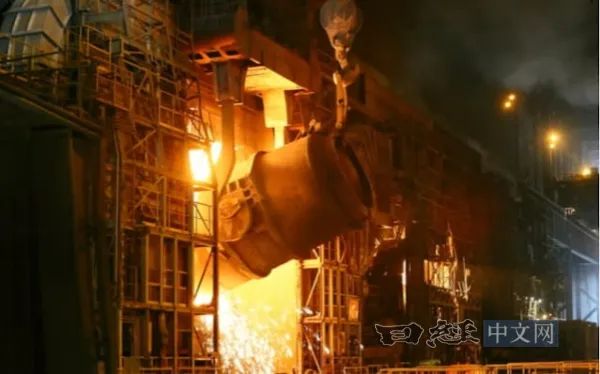
Group 1 - The manufacturing sector's salary increase has slowed to 5.72%, down by 0.39 percentage points, influenced by the economic slowdown in China and rising raw material prices [2][3] - The net profit of listed manufacturing companies for the fiscal year 2024 is expected to decline for the first time in a year [3] - The steel industry saw a salary increase of 6.37%, which is a significant reduction compared to previous years [3] Group 2 - The average salary increase for 2025 is projected at 5.49%, showing signs of stagnation in the manufacturing sector compared to last year [2] - Non-manufacturing sectors are experiencing a salary increase of 5.13%, with significant growth in real estate and transportation due to strong urban redevelopment demand [3] - Companies are compelled to raise salaries to attract talent due to labor shortages, with some firms like Takenaka Corporation increasing basic salaries by 8.75% [3] Group 3 - The restaurant and service industries, benefiting from inbound tourism, have a salary increase of 6.74%, with some companies like Izumi Holdings achieving an 11.23% increase [5] - The average starting salary for university graduates has risen by 34,000 yen, reaching 312,000 yen, comparable to levels in finance and trading sectors [5] - Factors influencing salary increases include rising consumer prices (73.8%) and labor shortages (46.5%), with companies engaging in defensive salary growth to prevent talent loss [5] Group 4 - The labor distribution rate for large enterprises is 43.4%, while for small and medium-sized enterprises (SMEs) it is 75.4%, indicating limited room for SMEs to increase their distribution rates [5]