劳动分配率

Search documents
中国人工作时长结束9年连涨,但还远远不够
经济观察报· 2026-01-22 12:38
Core Viewpoint - The long working hours in China's labor market reflect low employment quality, and there is a need to adjust the minimum wage standards for full-time workers to an hourly basis to address this issue [1][4][28]. Group 1: Working Hours Trends - After nine consecutive years of growth, the average weekly working hours for employees in China have shown a slight decline in 2025, with all months except January reporting lower hours compared to the same period in 2024 [2][21]. - The average weekly working hours in China remain high, exceeding the legal standards of 8 hours per day and 44 hours per week, indicating a significant issue in the labor market [4][8]. - The proportion of urban employed individuals working over 48 hours per week increased from 50.2% in 2018 to 44.6% in 2022, highlighting the persistent issue of excessive working hours [14]. Group 2: Factors Influencing Working Hours - The increase in average working hours since 2016 is not solely explained by economic cycles, as China's GDP growth has been declining while working hours have continued to rise [8][9]. - Rising fixed costs for companies, including social insurance expenses, have led businesses to extend working hours instead of hiring more employees to maximize profits [9][10]. - The mismatch between actual working hours and workers' desired hours contributes to job dissatisfaction and reflects the low quality of employment [12]. Group 3: Structural Issues in Employment - The coexistence of long working hours and insufficient working hours in different sectors indicates structural contradictions in labor allocation in China [16]. - Competitive industries, such as hospitality and construction, tend to have longer working hours, while government sectors and individual businesses often experience insufficient working hours [17][19]. - The issue of insufficient working hours is particularly pronounced among women, low-educated individuals, and those in informal employment, leading to increased income inequality [19]. Group 4: Recommendations for Improvement - To address the issue of excessive working hours, it is essential to enhance macroeconomic demand by increasing the income of low- and middle-income groups, thereby boosting their consumption capacity [22]. - Reducing the social insurance burden on companies is crucial, as China's social insurance costs are among the highest globally [22]. - Adjusting the wage determination mechanism for full-time workers to an hourly basis, similar to non-full-time workers, is recommended to improve employment quality [23][24].


日本春季劳资谈判加薪率平均5.25%,持续性堪忧
日经中文网· 2025-07-04 02:39
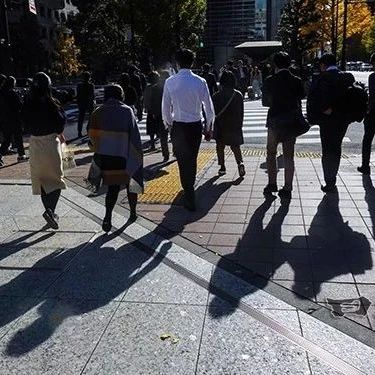
Core Viewpoint - The average wage increase rate in Japan for 2025 is 5.25%, marking a significant rise from previous years, but small and medium-sized enterprises (SMEs) lag behind with an increase of only 4.65%, failing to meet the target of over 6% [1][2]. Group 1: Wage Increase Trends - The wage increase rate has risen from 3.58% in 2023 to over 5% in 2024 and 2025, largely influenced by persistent inflation following the Ukraine crisis [2]. - The average increase in base salary among 3,594 labor unions is 3.7%, the highest level since 2015, reflecting a positive trend in wage negotiations [1][2]. Group 2: Impact on SMEs - SMEs employ about 70% of Japan's workforce, but many are struggling to increase wages, which could hinder stable growth in real wages [1][2]. - The wage increase rate gap between SMEs with fewer than 300 members and large enterprises is 0.68 percentage points, indicating a significant disparity in wage growth potential [2][3]. Group 3: Economic Context and Future Outlook - Real wages in Japan have been declining, with a reported decrease of 2.0% in April, marking four consecutive months of negative growth [2]. - The labor distribution rate for SMEs is 70.21%, while for larger companies it is 36.81%, suggesting that SMEs are under pressure to maintain wage increases without corresponding improvements in performance [3]. - Concerns exist regarding the sustainability of wage increases, especially if the economy slows down, which could weaken the momentum for wage negotiations in 2026 [3].
日企2025年薪资涨幅为5.49%,维持高水平
3 6 Ke· 2025-05-19 00:45
Group 1 - The manufacturing sector's salary increase has slowed to 5.72%, down by 0.39 percentage points, influenced by the economic slowdown in China and rising raw material prices [2][3] - The net profit of listed manufacturing companies for the fiscal year 2024 is expected to decline for the first time in a year [3] - The steel industry saw a salary increase of 6.37%, which is a significant reduction compared to previous years [3] Group 2 - The average salary increase for 2025 is projected at 5.49%, showing signs of stagnation in the manufacturing sector compared to last year [2] - Non-manufacturing sectors are experiencing a salary increase of 5.13%, with significant growth in real estate and transportation due to strong urban redevelopment demand [3] - Companies are compelled to raise salaries to attract talent due to labor shortages, with some firms like Takenaka Corporation increasing basic salaries by 8.75% [3] Group 3 - The restaurant and service industries, benefiting from inbound tourism, have a salary increase of 6.74%, with some companies like Izumi Holdings achieving an 11.23% increase [5] - The average starting salary for university graduates has risen by 34,000 yen, reaching 312,000 yen, comparable to levels in finance and trading sectors [5] - Factors influencing salary increases include rising consumer prices (73.8%) and labor shortages (46.5%), with companies engaging in defensive salary growth to prevent talent loss [5] Group 4 - The labor distribution rate for large enterprises is 43.4%, while for small and medium-sized enterprises (SMEs) it is 75.4%, indicating limited room for SMEs to increase their distribution rates [5]
日企2025年薪资涨幅为5.49%,维持高水平
日经中文网· 2025-05-16 05:12
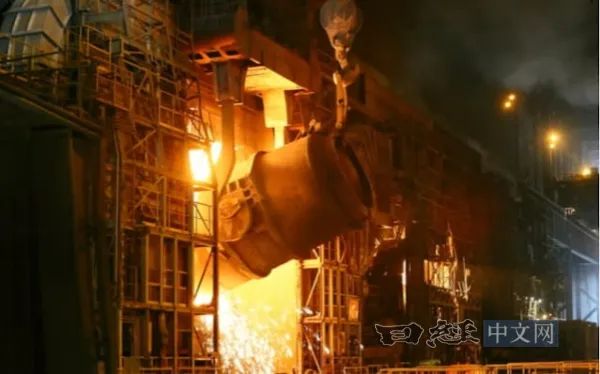
Group 1 - The manufacturing sector, which has historically driven wage growth, saw an increase of 5.72%, a decrease of 0.39 percentage points. This decline is attributed to the slowdown of the Chinese economy and rising raw material prices, leading to a reduction in net profits for listed manufacturing companies in the fiscal year 2024 [1][2] - The steel industry experienced a wage increase of 6.37%, which is a significant reduction. Factors such as excess production of Chinese steel have negatively impacted profits. JFE Steel's wage increase dropped from 12.47% in 2024 to 6.57% [2] - Non-manufacturing sectors saw a wage increase of 5.13%, up by 0.51 percentage points, indicating a continued expansion in wage growth. The real estate and transportation sectors benefited from strong demand due to urban redevelopment [2] Group 2 - The average wage increase for 2025 is projected at 5.49%, remaining stable compared to the previous year. This marks the first decline in four years, with the wage increase amounting to 19,207 yen, a historical high [1][2] - Factors influencing wage increases include consumer price rises (73.8%) and labor shortages (46.5%). The Japanese government's wage increase requests have decreased by 5.3 percentage points to 37.6% [4] - The labor distribution rate for large enterprises is 43.4%, while for small and medium-sized enterprises (SMEs) it is 75.4%, indicating that SMEs have less room for improvement in wage distribution compared to larger companies [4]