规模战

Search documents
一年五千亿,河北电商凭啥打败义乌,成了“价格黑洞”
Sou Hu Cai Jing· 2025-12-07 01:33
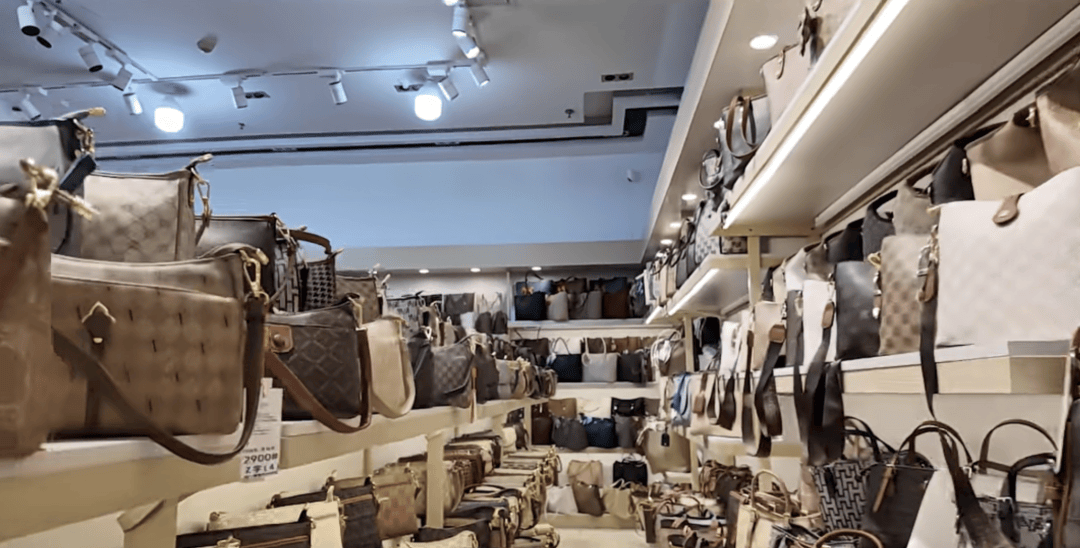
Core Viewpoint - Hebei has emerged as a significant force in the e-commerce sector, driving down prices across various product categories, which has disrupted the national pricing system [3][19]. Group 1: Hebei's E-commerce Dynamics - Hebei is often referred to as a "price butcher" or the "Northern Yiwu," indicating its aggressive pricing strategies in the e-commerce landscape [3]. - The region's manufacturing base is characterized by a high density of small workshops and family-run businesses, which contribute to its competitive pricing [3][4]. - Local labor stability is a key factor, as workers are primarily from the area, reducing turnover and associated costs [6][7]. Group 2: Production and Logistics Efficiency - Hebei's production chain is marked by proximity, strong collaboration, and quick response times, allowing for efficient manufacturing processes [10][13]. - The logistics infrastructure in Hebei is robust, with high shipping volumes that keep delivery costs low, enabling faster service at competitive prices [15][16]. - The business model in Hebei focuses on high sales volume with lower margins, aiming for market share rather than profit per unit [17][18]. Group 3: Challenges and Opportunities - A significant challenge for Hebei is the lack of brand recognition, which limits pricing power and makes it vulnerable to cost increases [19][20]. - The low-price strategy may compromise product quality, posing risks in maintaining customer trust and satisfaction [22]. - To evolve, Hebei must focus on three key paths: enhancing product quality, developing local brands, and expanding into larger markets, including international e-commerce [23][25][28]. Group 4: Future Outlook - If Hebei can shift its focus from low prices to quality and brand development, it has the potential to redefine its position in the manufacturing sector [27][28]. - The future success of Hebei's e-commerce will depend on its ability to balance affordability with value, ultimately leading to a stronger manufacturing presence [28].

11月汽车销量放榜,理想跌倒、零跑吃饱,最残酷战事还在26年
3 6 Ke· 2025-12-02 00:17
Core Insights - The Chinese electric vehicle market is witnessing a clear shift in dynamics, with BYD solidifying its position as the sales leader, while new entrants like Hongmeng Zhixing and Leap Motor are making significant strides [3][5][7] - The competition among new energy vehicle manufacturers is intensifying, with companies needing to adapt quickly to maintain their market positions [20][27] Group 1: Sales Performance - BYD achieved a remarkable monthly sales figure of 480,200 units in November, securing its status as the annual sales champion with a cumulative total of 4.18 million units for the year [7][9] - Hongmeng Zhixing led the new force segment with 81,864 units sold in November, marking a year-on-year increase of 89.61% [3][5] - Leap Motor also reported a record high of 70,327 units sold in November, reflecting a growth of over 75% year-on-year [3][5] - NIO's sales reached 36,275 units in November, up 76.3% year-on-year, indicating a recovery in its performance [5][9] - Li Auto's sales fell by 31.92% year-on-year to 33,181 units, placing it at the bottom among the "Wei Xiaoli" trio [5][9] Group 2: Market Dynamics - The market is shifting from a focus on sales volume to standard-setting, with companies like Hongmeng Zhixing leading in technology adaptation [20][23] - The competition is expected to intensify in 2026, with survival depending on achieving significant sales volumes, with 30,000 units as the survival line and 100,000 units as the development line [26][27] - The landscape is changing, with the narrative evolving from "the market can accommodate everyone" to "your growth is my decline" [23][27] Group 3: Challenges for Traditional Automakers - Traditional automakers like SAIC and Geely are facing challenges in brand differentiation and market positioning, despite reporting growth in sales [7][9][12] - SAIC's various brands are struggling with resource allocation and market competition, while Geely's sales have surged post "Taizhou Declaration" but still lag behind BYD in the new energy segment [9][12] - The mid-tier brands are caught in a dilemma, unable to scale up to compete with top players while reluctant to sacrifice their established brand recognition [17][18]