规模经济学

Search documents
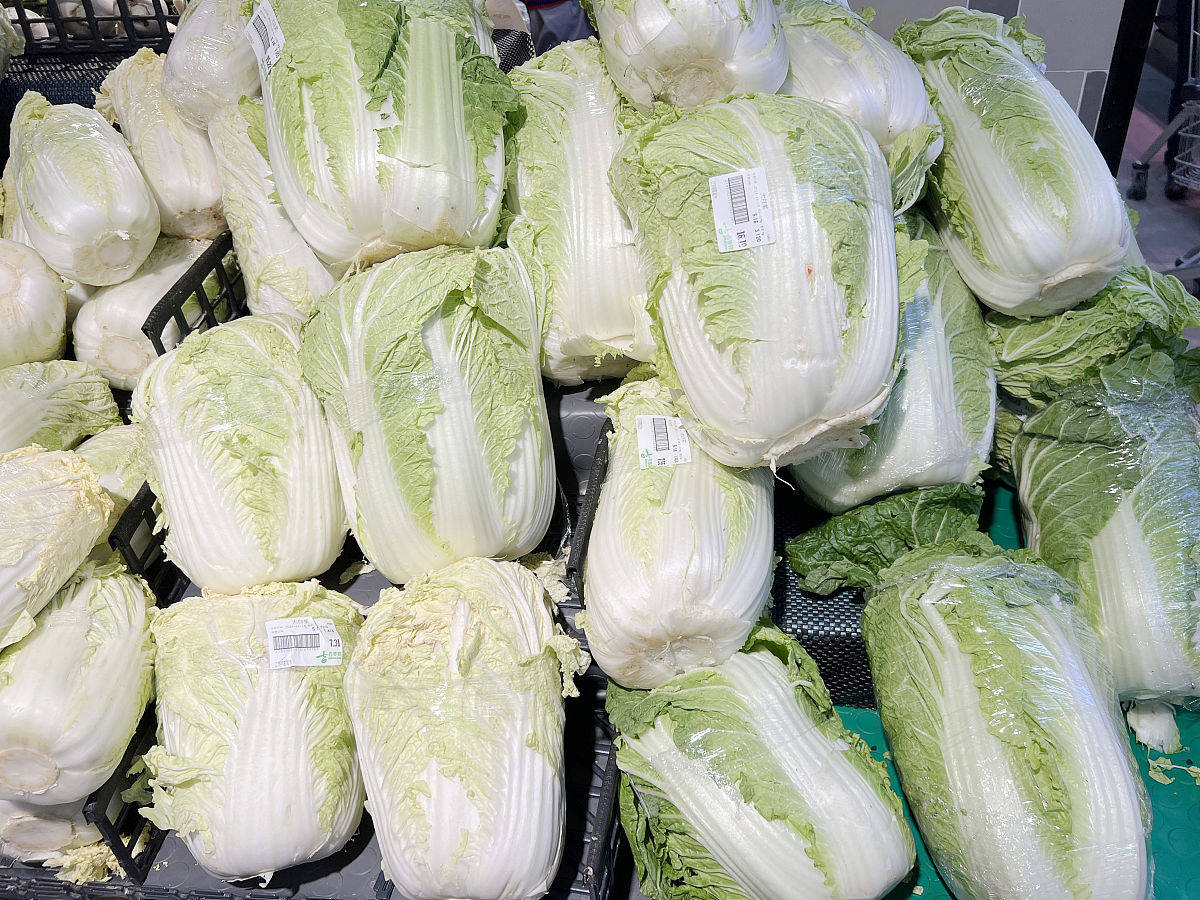
155元一棵的白菜与9毛一斤的白菜:消费分层的中国镜像
Sou Hu Cai Jing· 2025-11-28 08:11
Core Insights - The price disparity between organic cabbage in high-end supermarkets and wholesale markets reflects the diverse consumption landscape in contemporary China [1][3] Group 1: Price Discrepancy - Organic cabbage in Beijing's SKP supermarket is priced at 155 yuan, while in Shouguang, it is sold at 0.9 yuan per jin, showcasing a 172-fold difference [1] - The cost of organic cabbage includes a 23 yuan increase due to advanced cold chain logistics maintaining a temperature of 4±0.5℃ [3] Group 2: Consumer Behavior - A report from Hema Fresh indicates that 12% of its members are willing to pay a 300% premium for traceable products, contrasting with the popularity of low-cost cabbage on platforms like Pinduoduo [4] - The income of members in a Yunnan agricultural cooperative increased from 18,000 yuan to 43,000 yuan through a "premium cabbage + regular cabbage" planting strategy, demonstrating a successful "layered supply" approach [4] Group 3: Supply Chain Transformation - The distribution of high-end cabbage follows a vertical chain from farm to high-net-worth customers, while low-cost cabbage moves through a networked system involving cooperatives and community purchases [6] - The fresh agricultural product distribution in China is evolving into a "dumbbell structure," with high-end and inclusive innovations emerging simultaneously, reducing the middle segment's loss rate from 25% in 2018 to 12% now [6] - The coexistence of premium supermarkets and local markets illustrates the economic resilience of society, as noted by financial writer Wu Xiaobo [6]

湖南长沙又将跑出一个百亿IPO
投中网· 2025-05-11 02:12
Core Viewpoint - The article discusses the merger of "Ling Shi Hen Mang" and "Zhao Yi Ming Snacks" to form Hunan Ming Ming Hen Mang Commercial Chain Co., Ltd., aiming to become the "first stock in bulk snack food" in China, highlighting the rapid growth and market strategies of the combined entity [2][4][6]. Group 1: Company Overview - Hunan Ming Ming Hen Mang, formed from the merger of two brands, has quickly established itself as a leading player in the bulk snack food market, with a goal to expand its market presence significantly [2][5]. - The company operates with a dual-brand strategy post-merger, maintaining both "Ling Shi Hen Mang" and "Zhao Yi Ming Snacks" to leverage their respective strengths in market expansion and supply chain management [5][6]. Group 2: Market Position and Performance - As of the end of 2024, the company boasts 14,394 stores and holds a 28.6% market share, leading the industry with over 16 billion annual transactions and a member repurchase rate of 75% [6][8]. - Revenue surged from 4.286 billion to 39.344 billion from 2022 to 2024, reflecting a compound annual growth rate of 203%, while adjusted net profit increased from 81 million to 913 million, marking a growth of over ten times [8][10]. Group 3: Strategic Initiatives - The company plans to utilize 60% of its IPO proceeds to expand its store count to 30,000, 30% for upgrading its supply chain and proprietary brands, and 10% for AI product selection and warehouse automation [14]. - Management emphasizes that efficiency is crucial for sustainable low pricing, with a commitment to invest 20% of the raised funds to enhance supply chain responsiveness [10][12]. Group 4: Competitive Landscape - The Chinese bulk snack market is projected to reach 370 billion by 2024, with the top five brands holding only 6% market share, indicating significant room for growth and competition [13]. - The merger is seen as a successful case in the retail industry, allowing the company to reduce internal competition and focus on market expansion [5][6].