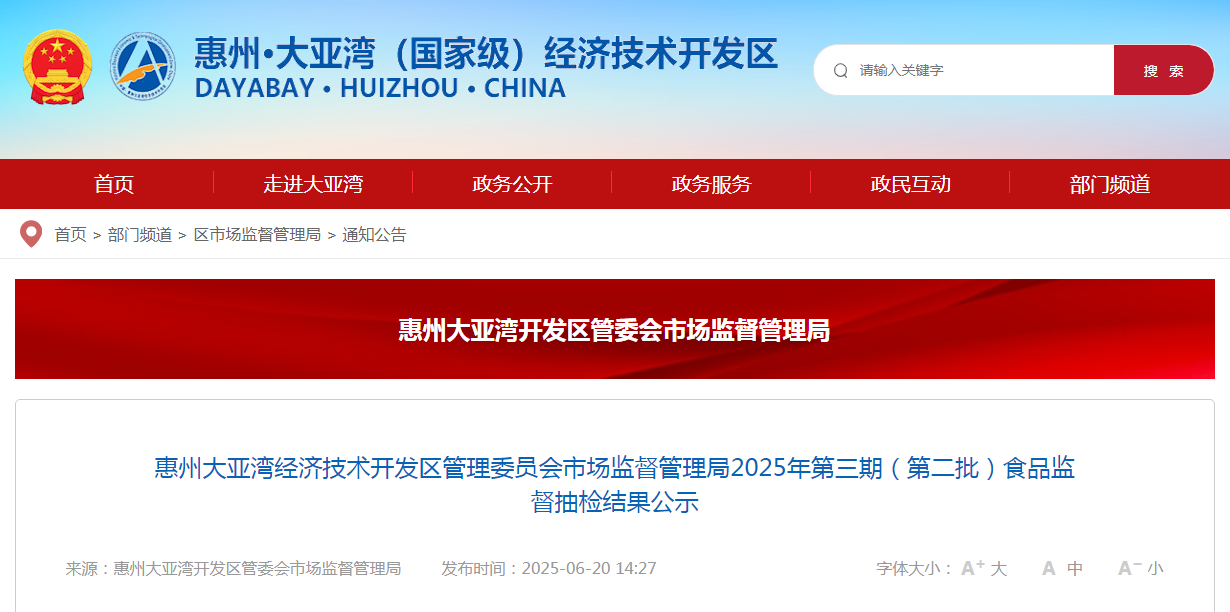
普通白菜

Search documents
155元一棵的白菜与9毛一斤的白菜:消费分层的中国镜像
Sou Hu Cai Jing· 2025-11-28 08:11
Core Insights - The price disparity between organic cabbage in high-end supermarkets and wholesale markets reflects the diverse consumption landscape in contemporary China [1][3] Group 1: Price Discrepancy - Organic cabbage in Beijing's SKP supermarket is priced at 155 yuan, while in Shouguang, it is sold at 0.9 yuan per jin, showcasing a 172-fold difference [1] - The cost of organic cabbage includes a 23 yuan increase due to advanced cold chain logistics maintaining a temperature of 4±0.5℃ [3] Group 2: Consumer Behavior - A report from Hema Fresh indicates that 12% of its members are willing to pay a 300% premium for traceable products, contrasting with the popularity of low-cost cabbage on platforms like Pinduoduo [4] - The income of members in a Yunnan agricultural cooperative increased from 18,000 yuan to 43,000 yuan through a "premium cabbage + regular cabbage" planting strategy, demonstrating a successful "layered supply" approach [4] Group 3: Supply Chain Transformation - The distribution of high-end cabbage follows a vertical chain from farm to high-net-worth customers, while low-cost cabbage moves through a networked system involving cooperatives and community purchases [6] - The fresh agricultural product distribution in China is evolving into a "dumbbell structure," with high-end and inclusive innovations emerging simultaneously, reducing the middle segment's loss rate from 25% in 2018 to 12% now [6] - The coexistence of premium supermarkets and local markets illustrates the economic resilience of society, as noted by financial writer Wu Xiaobo [6]

江苏省盐城 市市场监督管理局关于12批次食品抽检不合格情况的通告(2025年第9期)
Zhong Guo Zhi Liang Xin Wen Wang· 2025-11-13 05:53
Core Viewpoint - The Salt City Market Supervision Administration has reported that 12 batches of food products failed safety inspections out of a total of 589 batches tested in 2025, highlighting ongoing food safety concerns in the region [3][4]. Summary by Category Food Safety Inspection Results - A total of 589 batches of food products were tested, covering 28 categories including snacks, beverages, and frozen foods [3]. - 12 batches from five categories, including edible agricultural products, catering foods, and frozen foods, were found to be non-compliant with safety standards [3][4]. Actions Taken - The Market Supervision Administration has instructed local regulatory bodies to take immediate action to address the non-compliant products, including product recalls and risk control measures [3][4].
海南省市场监督管理局关于20批次不合格食品情况的通告(2025年第26期)
Zhong Guo Zhi Liang Xin Wen Wang· 2025-11-11 06:50
Core Points - The Hainan Provincial Market Supervision Administration reported that out of 1456 food samples tested, 20 batches were found to be non-compliant with food safety standards [1] Microbial Contamination Issues - A restaurant in Haikou was found to use reusable dining utensils that contained coliform bacteria exceeding national food safety standards [1] Pesticide Residue Exceedances - Multiple vendors were cited for selling fruits and vegetables with pesticide residues above the permissible limits, including: - A fruit store in Qionghai selling Wokan with residues of benzimidazole and bifenthrin [1] - A vegetable stall in Wenchang selling carrots with imidacloprid residues [1] - A vendor in Sanya selling ordinary cabbage with flonicamid residues [1] - A stall in Ding'an selling yellow bean sprouts with 6-benzyladenine residues [1] - A fruit shop in Wanning selling Wokan with similar pesticide issues [1] - A vegetable stall in Danzhou selling carrots with imidacloprid residues [1] - A vendor in Wenchang selling bok choy with flonicamid residues [1] - A pharmacy chain in Haikou selling yellow bean sprouts with 6-benzyladenine residues [1] Veterinary Drug Residue Exceedances - Several seafood vendors were found to have shrimp and other products with veterinary drug residues exceeding safety standards, including: - A vendor in Dongfang selling shrimp with furazolidone residues [1] - A honey product from Hainan Agricultural Reclamation with chloramphenicol residues [1] - A vendor in Haikou selling loach with enrofloxacin residues [1] - A seafood market vendor selling grass shrimp with multiple antibiotic residues [1] - Another vendor in Dongfang with shrimp also exceeding furazolidone limits [1] Fungal Toxin Issues - A vendor in Wanning was found to sell peanuts with aflatoxin B1 levels exceeding safety standards [1] Food Additive Overuse - A shop in Haikou was cited for selling white angelica with sulfur dioxide residues above the permissible limit [1] Quality Standards Non-compliance - A store in Haikou was found to sell sunflower seeds with peroxide values exceeding safety standards [1] - Another store in Haikou selling dried snacks also had similar peroxide value issues [1] Heavy Metal Exceedances - A seafood vendor in Tunchang was found to sell black pomfret with cadmium levels exceeding safety standards [1] Other Issues - A restaurant in Haikou was found to use reusable dining utensils with residual anionic synthetic detergents exceeding safety standards [1]
广东惠州大亚湾经济技术开发区管理委员会市场监督管理局2025年第三期(第二批)食品监督抽检结果公示
Zhong Guo Zhi Liang Xin Wen Wang· 2025-07-01 06:21
Core Viewpoint - The Huizhou Daya Bay Economic and Technological Development Zone Management Committee's Market Supervision Administration has conducted food safety supervision and sampling inspections, revealing that out of 150 batches tested, 3 batches were found to be non-compliant with safety standards [3]. Summary by Category Food Safety Inspection Results - A total of 150 batches of food were inspected as part of the 2025 food sampling plan, with 3 batches failing to meet safety standards [3]. - The results are being publicly disclosed in accordance with government information disclosure regulations [3]. Specific Findings - The inspection covered various food categories, including dining utensils, condiments, and processed meat products, among others [4][5][6]. - Specific products that failed included items such as flavored condiments and processed meat products, indicating potential issues in food safety compliance [4][5][6]. Regulatory Compliance - The public disclosure of inspection results aligns with the government's commitment to transparency and consumer safety in food products [3].