
蔬菜种植与流通

Search documents
5大举措保障春节蔬菜供应
Xin Lang Cai Jing· 2026-01-19 17:08
Core Viewpoint - The Hainan province is enhancing its vegetable supply chain in preparation for the 2026 Spring Festival, which will be the first long holiday after the Free Trade Port's closure, ensuring sufficient vegetable supply through various measures [1][2][3] Group 1: Vegetable Supply Chain Enhancement - The closure of the Free Trade Port will facilitate vegetable circulation in Hainan, benefiting the vegetable industry by maintaining existing conditions for agricultural product movement and providing tax incentives for importing foreign production equipment [1] - The province has increased local vegetable production, with winter vegetable planting covering 2.1 million acres and a stable year-round vegetable base of over 130,000 acres, currently supplying an average of 12,000 tons of vegetables daily to the island [2] - Cross-regional transportation has been coordinated with major vegetable-producing areas like Yunnan and Guangxi, ensuring a smooth supply chain and an average of 2,500 tons of vegetables being transported from outside the province daily [2] Group 2: Market Management and Emergency Preparedness - The province is implementing market measures during the Spring Festival, with major wholesale and agricultural markets operating normally, and temporary stores for affordable vegetables set up to cater to the influx of visitors [2] - Emergency reserves have been established, with cities like Haikou, Sanya, and Danzhou storing 6,000 tons, 1,500 tons, and 500 tons of vegetables respectively, while other counties maintain dynamic reserves based on five days of consumption [2] - Market regulation is being strengthened through daily reporting systems and increased inspections to prevent price gouging and ensure food safety [3]
海南省商务厅:目前海南全省蔬菜市场供应充足 封关运作对蔬菜产业发展将更加有利
Jing Ji Guan Cha Wang· 2026-01-19 02:54
Group 1 - The core viewpoint of the article is that the establishment of the Hainan Free Trade Port will facilitate vegetable circulation and promote the development of the vegetable industry in Hainan [1] Group 2 - The Hainan Provincial Department of Commerce Deputy Director Zhu Dan stated that the operation and expansion of the Free Trade Port will make vegetable circulation more convenient [1]
中经评论:如何拎稳百姓菜篮子
Zhong Guo Jing Ji Wang· 2025-12-09 08:20
Core Insights - Recent vegetable price increases in multiple regions are attributed to adverse weather conditions delaying market entry and production reductions due to disasters, leading to supply chain disruptions [1] - Improved supply capabilities are noted, with farmers expanding planting due to earlier price increases and new vegetable harvests from regions like Yunnan, Guangxi, and Hainan [1] - Predictions indicate that winter temperatures will be close to or above normal, which is favorable for vegetable growth, and market stability is expected as northern facilities begin to supply vegetables [1] Group 1 - The impact of extreme weather, supply chain transitions, and changing demand on vegetable prices is highlighted, indicating that price fluctuations are a normal phenomenon in a market economy [2] - China's vegetable production accounts for over half of the global total, with per capita vegetable availability exceeding three times the world average, showcasing the country's agricultural strength [2] - The "vegetable basket project" initiated in 1988 has led to significant advancements in vegetable production, with annual output reaching approximately 800 million tons [2] Group 2 - The concept of "eating vegetables by latitude" reflects the increasing specialization and scale of vegetable production, with major production areas separated from consumption centers [3] - Local governments are responsible for ensuring stable vegetable supply and must coordinate production, distribution, and market regulation effectively [3] - Encouragement for the development of detailed vegetable production maps and urban agriculture initiatives is suggested to enhance local supply capabilities [3] Group 3 - The wholesale market remains the primary channel for vegetable distribution, and there is a need for market upgrades and improved logistics infrastructure [4] - Government intervention in vegetable pricing should be limited, but measures to address severe price fluctuations are necessary [4] - Strategies to maintain total supply, optimize structure, ensure smooth circulation, and stabilize prices are essential for meeting public demand for quality living [4]
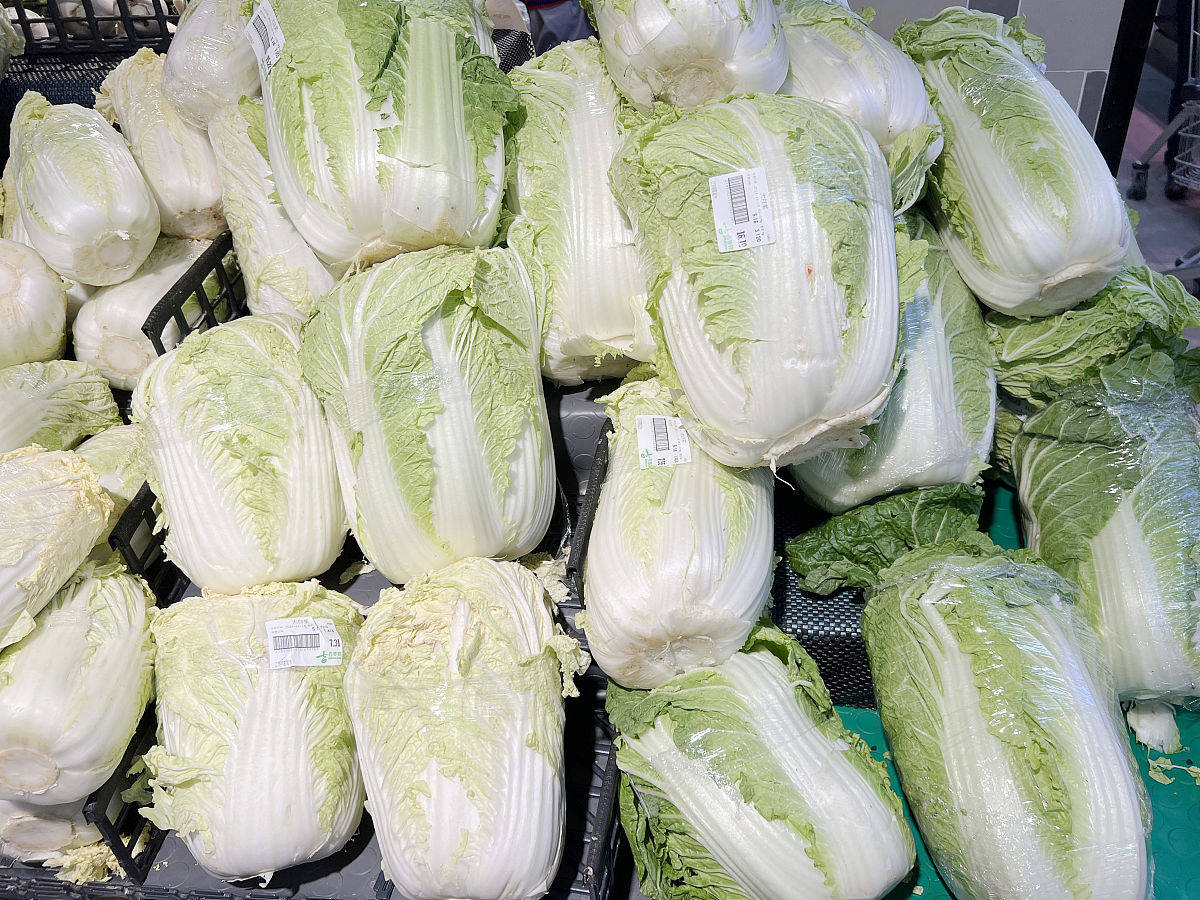
155元一棵的白菜与9毛一斤的白菜:消费分层的中国镜像
Sou Hu Cai Jing· 2025-11-28 08:11
Core Insights - The price disparity between organic cabbage in high-end supermarkets and wholesale markets reflects the diverse consumption landscape in contemporary China [1][3] Group 1: Price Discrepancy - Organic cabbage in Beijing's SKP supermarket is priced at 155 yuan, while in Shouguang, it is sold at 0.9 yuan per jin, showcasing a 172-fold difference [1] - The cost of organic cabbage includes a 23 yuan increase due to advanced cold chain logistics maintaining a temperature of 4±0.5℃ [3] Group 2: Consumer Behavior - A report from Hema Fresh indicates that 12% of its members are willing to pay a 300% premium for traceable products, contrasting with the popularity of low-cost cabbage on platforms like Pinduoduo [4] - The income of members in a Yunnan agricultural cooperative increased from 18,000 yuan to 43,000 yuan through a "premium cabbage + regular cabbage" planting strategy, demonstrating a successful "layered supply" approach [4] Group 3: Supply Chain Transformation - The distribution of high-end cabbage follows a vertical chain from farm to high-net-worth customers, while low-cost cabbage moves through a networked system involving cooperatives and community purchases [6] - The fresh agricultural product distribution in China is evolving into a "dumbbell structure," with high-end and inclusive innovations emerging simultaneously, reducing the middle segment's loss rate from 25% in 2018 to 12% now [6] - The coexistence of premium supermarkets and local markets illustrates the economic resilience of society, as noted by financial writer Wu Xiaobo [6]

蔬菜引领新“食”尚
Jing Ji Ri Bao· 2025-10-12 22:05
Core Insights - The vegetable market in China is experiencing significant growth, with a notable increase in transaction volume for seasonal vegetables compared to the previous year, reflecting diverse consumer demands [1] - China ranks first globally in vegetable production and exports, holding approximately 14% of the global market share, supported by a strong agricultural foundation and rapid advancements in modern agricultural technology [1] - The development of facility agriculture and improvements in mechanization have led to a stable supply of over 200 million tons of facility vegetables annually during the 14th Five-Year Plan period [1] - The enhancement of the vegetable distribution system, particularly through the development of cold chain logistics, has resolved previous challenges related to preservation and transportation, ensuring fresh vegetables reach consumers more efficiently [1] - Per capita vegetable consumption in China exceeds 500 kilograms annually, more than three times the global average, driven by rising living standards, health-conscious eating habits, and increased awareness of low-carbon lifestyles [1] Consumer Trends - There is a growing preference for certified green, organic, and geographically indicated vegetables, indicating a shift towards high-quality living standards among consumers [2] - Previously niche vegetables such as matsutake, morel mushrooms, and kale are becoming mainstream ingredients, leading a new trend in nutrition and health [2]