计划生育

Search documents
如果马寅初没有提出人口论,没有实施计划生育,如今中国会怎样?
Sou Hu Cai Jing· 2026-01-11 07:45
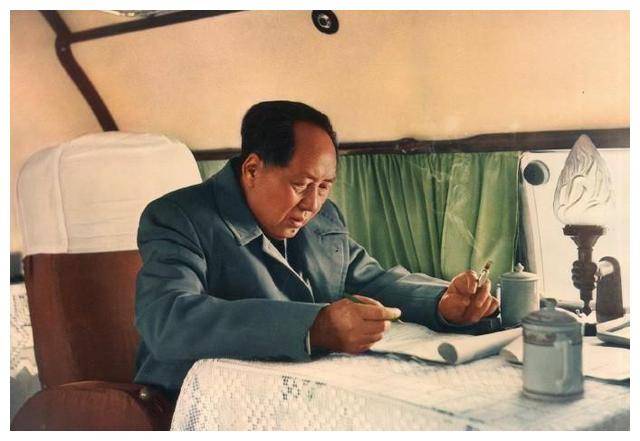
Core Viewpoint - The article discusses the implications of China's population policies, particularly the impact of the "one-child policy" initiated due to concerns raised by economist Ma Yinchu regarding overpopulation and its potential consequences for the country [1][14][39]. Group 1: Population Statistics and Trends - In 2022, the birth rate in China dropped to 9.56 million, resulting in a natural population growth rate of -0.6% [1]. - Predictions suggest that without the implementation of population control measures, China's population could have reached approximately 2 billion, significantly impacting the economy and society [28]. Group 2: Historical Context of Population Control - The discussion of population control began in the early 1950s, with leaders expressing concerns about rapid population growth, which reached 600 million by 1953 [18]. - The term "family planning" was first introduced by Chairman Mao in 1956, emphasizing the need for coordinated development in society [20][22]. - The formal establishment of family planning as a national policy occurred in 1962, reflecting the leadership's foresight and strategic planning [22]. Group 3: Economic and Social Implications - A larger population could have created a massive consumer market, enhancing domestic demand and attracting foreign investment [30]. - However, the potential increase in population would also exacerbate resource pressures, including education and healthcare, leading to intensified competition for resources [33]. - The economic development challenges would be significant, as achieving the current GDP per capita would require greater effort with a doubled population [35]. Group 4: Potential Benefits and Drawbacks - A larger population might foster innovation, talent diversity, and cultural richness, potentially leading to increased creativity and scientific advancements [37]. - The article emphasizes that the outcomes of a larger population are complex, presenting both opportunities and challenges that require careful consideration [39].

彻底取消计划生育,什么信号?
凤凰网财经· 2025-06-16 15:09
Group 1 - The core viewpoint of the article is that Vietnam has officially abolished its long-standing family planning policy, allowing couples to decide on their own fertility choices, which reflects a global trend towards encouraging higher birth rates [1][2][3] - Vietnam's population has surpassed 100 million as of 2023, making it one of the few countries with such a large population, which is significant on a global scale [4][7] - The total fertility rate in Vietnam has drastically declined from 4-5 in the 1980s to 1.91, falling below the replacement level of 2.1, indicating a severe demographic challenge [11][14][18] Group 2 - The decline in birth rates is attributed to modernization, urbanization, and changing cultural values, which have diminished traditional views on childbearing [19][20] - The rising costs of living, particularly housing, have made it increasingly difficult for young people to prioritize marriage and childbirth, with property prices in major cities like Hanoi and Ho Chi Minh City soaring [23][27] - The article emphasizes that simply lifting the family planning policy will not resolve the underlying issues contributing to the demographic crisis [29] Group 3 - Vietnam is at risk of missing its demographic dividend, as the window for benefiting from a young labor force is closing rapidly, with projections indicating a population decline by 2054 [17][30] - The article draws parallels with other countries that have experienced demographic challenges, highlighting that having a large population does not guarantee economic benefits [32][33] - The emergence of new technological challenges, particularly in the context of artificial intelligence, poses additional risks to Vietnam's economic prospects and labor market [37][38]