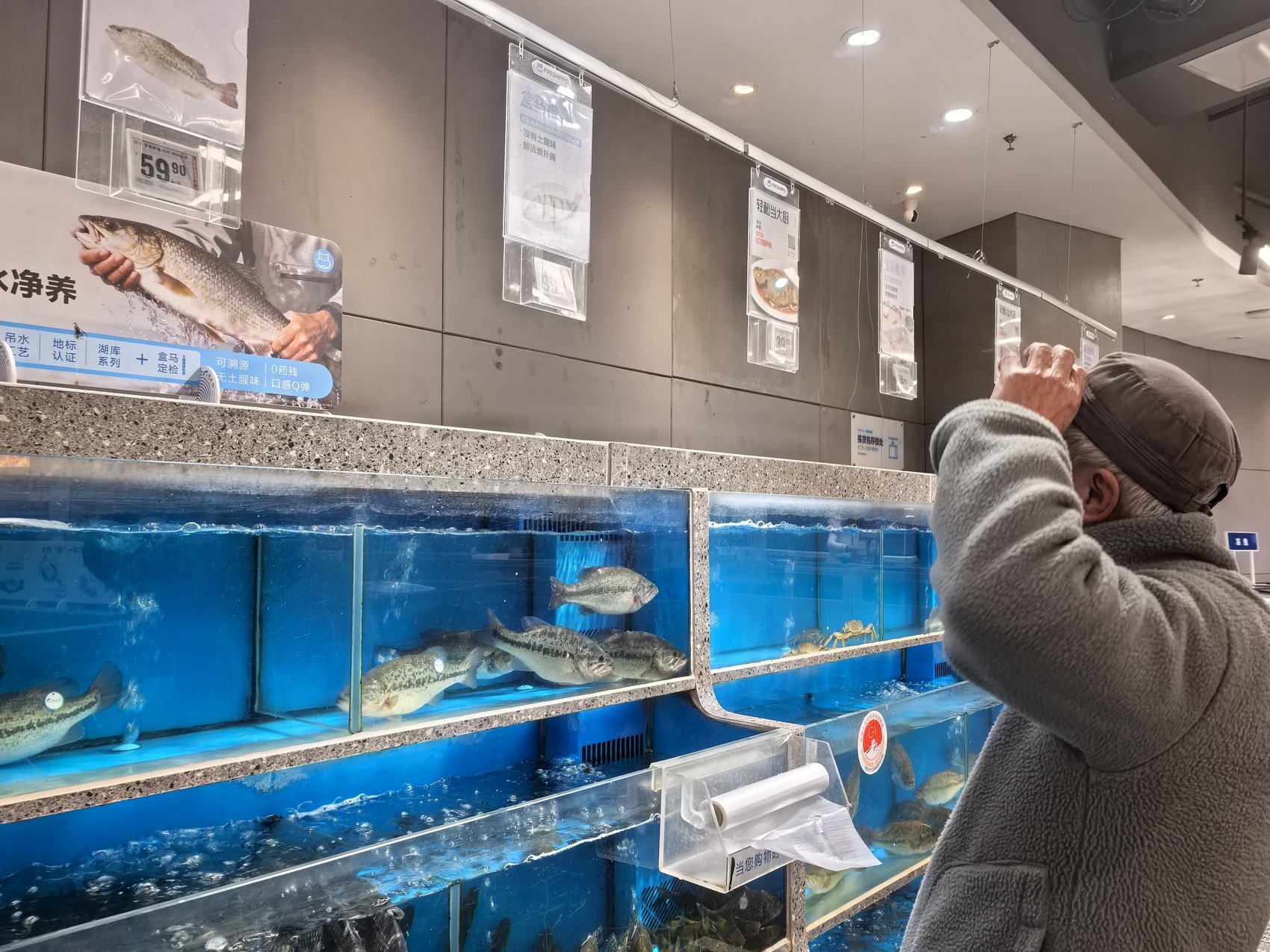
鲈鱼

Search documents
行业周报:猪价持续创新低拐点未现,二育谨慎与被动入库强化弱势
KAIYUAN SECURITIES· 2026-03-22 02:45
Investment Rating - The industry investment rating is "Positive" (maintained) [1] Core Insights - The report highlights that pig prices continue to hit new lows without signs of a turning point, with cautious breeding and passive inventory accumulation reinforcing weakness in the market [3][4] - As of March 20, 2026, the national average price of live pigs dropped to 9.87 CNY/kg, continuing a downward trend [3][14] - The report indicates that the supply of pigs is abundant, with daily slaughter volumes significantly higher than the same period last year [14] Summary by Sections Weekly Observation - Pig prices remain at record lows, with a national average of 9.87 CNY/kg as of March 20, 2026, and high daily slaughter volumes [3][14] - The average weight of pigs at market is 128.62 kg, with significant weight differentiation between group farms and individual farmers [14] Market Performance (March 16-20) - The agricultural sector underperformed the market by 1.12 percentage points, with the agricultural index down 4.50% [7][36] - Notable stock performances include ST Jinggu (+6.04%), Zhongxing Junye (+4.51%), and Shennong Group (+1.13%) [36] Key News - The National Development and Reform Commission and the Ministry of Agriculture held a meeting with pig farming enterprises to analyze price trends and market regulation strategies [6][45] - The Ministry of Agriculture released a policy list for 2026 aimed at supporting agricultural producers [6][45] Price Tracking (March 16-20) - The average price of live pigs was 9.99 CNY/kg, down 0.09 CNY/kg from the previous week, while the average price of piglets was 23.12 CNY/kg, down 1.24 CNY/kg [8][47] - The report notes a decrease in profits for self-breeding and purchased piglets, with average profits of -297.68 CNY/head and -141.48 CNY/head, respectively [8][47] Supply and Demand Dynamics - The inventory rate of frozen products was 18.60%, indicating a slight passive accumulation trend [4][18] - The breeding sector remains cautious, with a breeding barn utilization rate of 28.9% as of March 10, 2026, still at a low level [4][21] Breeding Stock Trends - The number of breeding sows showed a marginal increase, with a month-on-month growth of 0.65% in January and 0.73% in February 2026 [5][30] - Piglet prices have rapidly declined, with a price of 294 CNY/head as of March 17, 2026, reflecting weak replenishment demand [5][30]
农业行业周报:建议关注养殖股产能去化逻辑的回归和演绎-20260317
Shanxi Securities· 2026-03-17 08:38
Investment Rating - The report maintains an investment rating of "Buy-A" for Haida Group, "Buy-B" for Shennong Development and Wens Foodstuffs, and "Hold-A" for Guai Bao Pet and Zhongchong Shares [8]. Core Insights - The report highlights the return of capacity reduction logic in the breeding sector, suggesting that the pig farming industry may face pressure in the first half of the year, but this period could also serve as a favorable window for capacity reduction [2][4]. - The report indicates that the overall pig price has decreased, leading to an expansion of losses in pig farming profits. As of March 13, the average price of external three yuan pigs in Sichuan, Guangdong, and Henan was 10.25, 10.96, and 10.13 yuan/kg, respectively, with an average pork price of 16.17 yuan/kg, down 4.99% from the previous week [3][24]. - The feed industry is experiencing a shift from product competition to value chain competition, with market share concentrating among leading companies with advantages in research and development, scale, and service [3]. Summary by Sections 1. Market Performance - During the week of March 9 to March 15, the Shanghai and Shenzhen 300 Index rose by 0.19%, while the agriculture sector increased by 1.01%, ranking sixth among sectors. The top-performing sub-industries included grain and oil processing, food and feed additives, and pig farming [2][15]. 2. Pig Farming - The report notes a significant decline in pig farming profits, with self-breeding losses reaching -283.15 yuan per head, a decrease of approximately 45.17 yuan from the previous week. The profit from purchasing piglets was -118.18 yuan per head, down about 59.29 yuan [3][24]. 3. Poultry Farming - The price of white feather chickens has slightly rebounded, with a weekly price of 7.21 yuan/kg, while the profit from raising meat chickens has decreased to 0.11 yuan per chicken, down 38.89% from the previous week [44]. 4. Feed Processing - The average price of feed for fattening pigs has increased to 3.38 yuan/kg, while the average price for chicken feed is 3.55 yuan/kg, both showing a week-on-week increase [49]. 5. Aquaculture - The report states that the price of sea cucumbers remains stable at 110 yuan/kg, while the price of shrimp is 280 yuan/kg. Freshwater fish prices, such as grass carp and crucian carp, have seen slight declines [56]. 6. Planting and Grain Processing - The report indicates a notable increase in grain prices, with corn at 2446.86 yuan/ton (+1.20%), soybeans at 4277.37 yuan/ton (+5.04%), and wheat at 2577.61 yuan/ton (+1.40%) [65].



春节淘母积压影响能繁存栏,关注产能调控政策或加码
Guotou Securities· 2026-03-09 10:29
Investment Rating - The industry is rated as "Outperforming the Market" with a target of exceeding the performance of the CSI 300 index by 10% or more over the next six months [3]. Core Insights - The report highlights that the pig farming sector is experiencing a backlog of breeding sows due to the Spring Festival, which is affecting the breeding stock. There is a potential for increased capacity regulation policies [19][20]. - The average price of live pigs this week is 10.56 CNY/kg, reflecting a week-on-week decrease of 3.39% and a two-week decrease of 5.24%. The average price of piglets is 448 CNY/head, down 3.24% week-on-week [19][24]. - The poultry sector is facing a downward trend in white feather broiler prices, with the average price at 7.20 CNY/kg, a decrease of 3.61% week-on-week [24]. - The corn market shows stability with a slight increase in prices, averaging 2405.53 CNY/ton, up 1.09% week-on-week, influenced by geopolitical tensions affecting oil prices and ethanol demand [32]. Summary by Sections 1. Weekly Market Review - The agricultural sector increased by 2.12% this week, outperforming major indices such as the CSI 300, which decreased by 1.07% [11]. - Sub-sectors like planting and breeding have shown positive growth, while agricultural processing, fishery, and animal health sectors experienced slight declines [14]. 2. Industry Data Tracking 2.1 Pig Farming - The average daily slaughter volume of pigs is 152,700 heads, with a week-on-week change of 26.05% [19]. - The breeding sow stock is expected to be adjusted down to 36.5 million heads, a reduction of 3.11 million heads, which will help to eliminate excess capacity in the industry [20]. 2.2 Poultry Farming - The market for white feather broilers is weak, with prices fluctuating and overall market confidence low due to slow sales and high inventory levels [24]. 2.3 Planting Sector - The prices of planting products remain stable, with corn prices showing a slight increase due to supply concerns and rising international oil prices [32]. 2.4 Aquaculture Sector - Prices for various aquatic products remain stable, with specific declines noted in shrimp prices, which decreased by 6.67% [37]. 3. Industry Events - A meeting was held with several pig farming companies to discuss the implementation of production capacity control targets for 2025 [49].
节后消费疲软叠加供应充足,短期内猪价或震荡偏弱
ESS· 2026-03-03 10:33
Investment Rating - The industry investment rating is "Leading the Market - A" [6] Core Viewpoints - The report indicates that the pork price is expected to fluctuate weakly in the short term due to weak post-holiday consumption and sufficient supply [21][22] - The poultry market is experiencing fluctuations, with an increase in slaughter capacity post-holiday, while the white feather broiler market is in a downward trend [36] - The aquaculture sector shows stable prices for various fish species, but a decline in shrimp prices [43] Summary by Sections 1. Weekly Market Review - The agricultural sector increased by 4.01% during the latest trading week, outperforming the Shanghai and Shenzhen indices [14] - The fishery sector saw a slight decline, while other sub-sectors such as planting, feed, and livestock showed increases [17] 2. Industry Data Tracking 2.1. Swine Farming - The average price of live pigs is 10.93 CNY/kg, down 7.06% week-on-week and 5.73% over two weeks [20] - The average daily slaughter volume is 137,600 pigs, a decrease of 45.81% week-on-week [21] 2.2. Poultry Farming - The average price of white feather broilers is 7.47 CNY/kg, down 0.13% week-on-week [36] - The price of broiler chicks is 2.87 CNY/chick, up 2.40% week-on-week [36] 2.3. Planting Sector - The average price of corn is 2381.80 CNY/ton, up 0.46% week-on-week [39] - The average price of domestic wheat is 2532.59 CNY/ton, up 0.07% week-on-week [39] 2.4. Aquaculture Sector - The average price of carp is 20.00 CNY/kg, stable week-on-week, with a year-on-year increase of 11.11% [43] - The average price of shrimp is 300.00 CNY/kg, down 6.25% week-on-week [43]


消费热力满格 年味里涌动发展活力
Xin Lang Cai Jing· 2026-02-18 17:12
Core Viewpoint - Qinghai province is experiencing a vibrant consumer market during the Spring Festival, driven by diverse consumption scenarios, solid supply guarantees, and upgraded consumption formats, contributing to the high-quality development of the local economy [5][13]. Group 1: Consumer Market Dynamics - The Spring Festival consumer market in Qinghai is characterized by a blend of offline and online shopping experiences, with local authorities promoting diverse consumption scenarios to enhance supply and stimulate demand [6][7]. - A significant increase in customer spending has been observed, with consumers shifting from bulk purchasing to fresh goods, indicating a change in shopping behavior during the festive season [7]. - The "Qinghai Goodies" online shopping event has successfully promoted local products through live streaming, expanding the reach of highland specialties to a national audience [7][8]. Group 2: Supply and Price Stability - Local governments have prioritized the supply and price stability of essential goods, ensuring that consumers have access to affordable and safe products during the festive period [9][10]. - Various measures, including the organization of supply chains and the implementation of quality control protocols, have been established to maintain a steady supply of food and other necessities [9][10]. - The integration of electronic and paper consumption vouchers has further stimulated market activity and consumer spending [10]. Group 3: Industry Upgrades and Innovations - The consumption structure in Qinghai is undergoing significant optimization, with a focus on integrating cultural and tourism elements into the consumer experience, enhancing the overall vibrancy of the market [11][12]. - Events such as the "Ice and Snow Carnival" and various cultural exhibitions have been organized to attract visitors and boost local consumption, showcasing the region's unique cultural heritage [11][12]. - The festive atmosphere has been enriched by immersive experiences and diverse product offerings, meeting the demand for one-stop shopping during the holiday season [12].


一池活水全链兴
Xin Lang Cai Jing· 2026-02-17 22:46
Core Viewpoint - The article highlights the transformation of the cold-water fish farming industry in Mudanjiang City, focusing on the innovative aquaculture project by Heilongjiang Aijiang Fishery, which aims to establish a modernized fish farming base with a total investment of 1.5 billion yuan, targeting the creation of the largest rainbow trout supply base in Asia [1][2]. Group 1: Project Overview - The Aijiang Fishery project is designed to break the constraints of traditional fish farming and activate cold-water resources, with a goal to become a national demonstration zone for the cold-water fish industry within three years [1][2]. - The project utilizes a factory-based recirculating aquaculture system that maintains a constant water temperature of 12.4 degrees Celsius, significantly increasing farming density while reducing water usage to one percent of traditional ponds [2][3]. Group 2: Production and Sales - As of now, the project has released 360,000 fish fry, including rainbow trout, white fish, and bass, with plans to introduce bass products in the second half of 2026 and rainbow trout products in 2027 [2][3]. - The sales strategy focuses on downstream factories, with plans to diversify product offerings to include fresh and ready-to-eat fish products [2]. Group 3: Industry Integration - The project aims to extend beyond fish farming to include processing lines that enhance product value, and plans for a leisure and tourism complex that integrates fishing, accommodation, and dining experiences [3][4]. - The collaboration model involves partnerships between the company, farmers, and village collectives, promoting a comprehensive value chain from farming to market [4]. Group 4: Supportive Environment - The project's rapid progress is attributed to supportive government actions that facilitate project approval and construction, fostering an environment conducive to investment and development [5][6]. - The establishment of a research center in collaboration with Northeast Agricultural University aims to integrate academic research with industry practices, ensuring sustainable development through technological advancements [6].
“菜篮子”撑起“团圆鲜滋味”
Xin Lang Cai Jing· 2026-02-16 19:19
Core Viewpoint - The article highlights the vibrant atmosphere of the Bai Jia Seafood Market in Chengdu during the Lunar New Year, emphasizing the importance of seafood in traditional celebrations and the increased demand for fresh products among consumers [1] Group 1: Market Activity - The Bai Jia International Agricultural Wholesale Market is the largest agricultural distribution center in Southwest China, with a daily seafood distribution volume of approximately 1,600 tons [1] - The market offers a wide variety of seafood, including cost-effective household options and high-end products to meet diverse consumer needs [1] Group 2: Consumer Behavior - Local residents are actively participating in the New Year preparations, with increased foot traffic in the market, leading to a doubling of customer volume for popular seafood items like shrimp [1] - Consumers express a strong cultural connection to seafood, with traditional dishes such as fish being essential for the New Year's Eve dinner, reflecting the significance of these customs in fostering family unity [1]
春节前,兰州海鲜市场人气旺 鲈鱼和虾仍是春节餐桌主角
Xin Lang Cai Jing· 2026-02-11 01:13
Core Viewpoint - The seafood market is experiencing a significant surge in activity as consumers prepare for the Lunar New Year, with bass and shrimp being the main attractions on the festive dining table [1][2]. Group 1: Market Activity - The market is bustling with customers, with long lines of vehicles and shoppers carrying large bags, indicating a high demand for seafood ahead of the holiday [1]. - The first peak of customer flow occurred around 11 AM, with many shoppers specifically looking for frozen shrimp and bass for their New Year's Eve meals [2]. Group 2: Pricing Trends - The price of bass is reported to be lower than last year, while the prices of hairtail fish remain stable, and yellow croaker has seen a slight increase [2]. - Online and offline sales are thriving, with shrimp and hairtail fish prices being approximately 20% lower than last year, making them popular choices among consumers [2]. Group 3: Supply Chain Management - The market has implemented measures to ensure adequate supply for the holiday, with vendors required to increase their stock by three to five times compared to normal levels [3]. - The market features a wide variety of seafood options, catering to different consumer needs, from high-end products to more affordable choices [3].
宁德市副市长郑忠辉:建议从三方面支持宁德发展深远海养殖
Zhong Guo Fa Zhan Wang· 2026-01-28 06:01
Core Viewpoint - The development of deep-sea aquaculture is a crucial part of the blue grain strategy, with Ningde City in Fujian leveraging its rich marine resources to innovate traditional aquaculture practices and expand into deep-sea farming [1][2]. Group 1: Current Situation and Challenges - Ningde's deep-sea aquaculture faces several challenges, including complex environmental conditions in offshore areas, which increase risks and require high-quality farming facilities and species [2]. - The investment costs for deep-sea aquaculture are substantial, with estimated investments exceeding 10 million yuan (approximately 1.4 million USD) per 10,000 cubic meters of water, and annual rental costs for equipment reaching over 6 million yuan (approximately 840,000 USD) [2]. - Ecological red lines restrict the development of deep-sea aquaculture, as many surrounding marine areas are designated as ecological protection zones, limiting the establishment of new farming facilities [2]. Group 2: Recommendations for Support - It is recommended to increase policy support by establishing special funds for deep-sea aquaculture, providing rental subsidies for large farming facilities, and offering interest subsidies on commercial loans [3]. - Enhancing research and development in deep-sea aquaculture technology is suggested, including collaboration with universities and research institutions to develop resilient fish breeds and high-value species [3]. - Optimizing the management of ecological red lines is advised, with a focus on conducting scientific assessments to allow for controlled ecological impacts in necessary areas for deep-sea aquaculture [3].
半年内价格“过山车”,养鲈鱼还有赚头吗?丨川观探市
Xin Lang Cai Jing· 2026-01-24 08:15
Core Viewpoint - The price of bass in Sichuan has experienced significant fluctuations, dropping over 50% within six months, raising concerns about the profitability of bass farming in the region [1][3]. Price Fluctuations - The price of bass in Sichuan started at approximately 17-18 yuan per pound at the beginning of the year, peaked at 25 yuan per pound in mid-year, and fell to around 10-11 yuan per pound by the end of the year [1][3]. - The current market price for bass is between 10 and 11 yuan per pound, which is a slight increase from the previous price of 10.5 yuan per pound [1]. Production and Supply - Sichuan's bass production has increased from 31,766 tons in 2022 to an estimated 40,213 tons in 2023, with projections of 48,190 tons in 2024 [6]. - The increase in production is attributed to farmers expanding their operations in response to favorable market conditions, leading to a surplus supply that has contributed to price declines [6][8]. Market Dynamics - The influx of bass from Guangdong province, which has lower production costs, has intensified competition in the Sichuan market [9]. - The average cost of bass from Guangdong is around 9 yuan per pound, making it more competitive compared to local prices [9]. Farming Strategies - Farmers are exploring off-season farming techniques to avoid price drops during the traditional peak season in the fall and winter [12]. - The adoption of facility aquaculture is on the rise, allowing for more efficient production and better risk management [13]. Innovations and Future Directions - New farming techniques, such as high-density and facility-based aquaculture, are being implemented to enhance productivity and profitability [13]. - Live-streaming events for bass harvesting and cooking are being considered as innovative marketing strategies to attract consumers [13].